


Listen to the article
A bipartisan coalition of senators is pressing Senate leadership to allow a vote on legislation that would substantially reform Section 230, the decades-old law that has largely shielded tech companies from legal liability for content on their platforms.
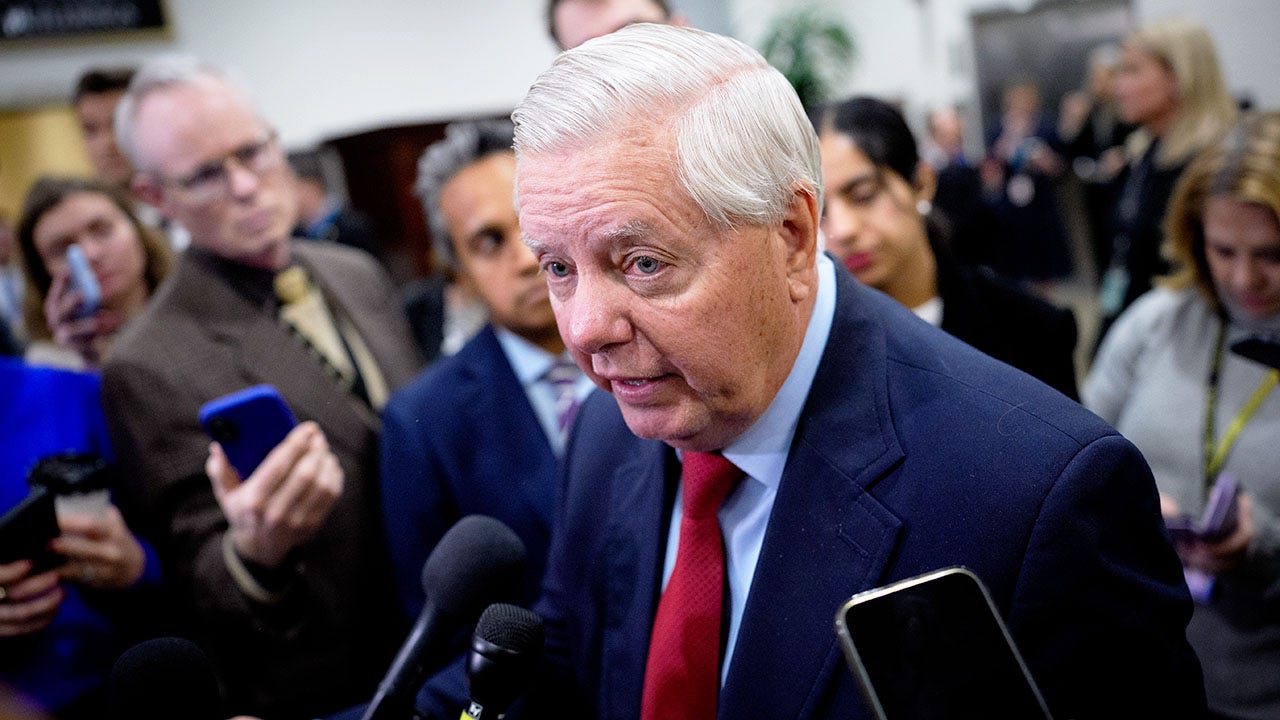
In a letter addressed to Senate Majority Leader John Thune (R-S.D.) and Minority Leader Chuck Schumer (D-N.Y.), the group, led by Sen. Lindsey Graham (R-S.C.), argued that the time has come to hold tech giants accountable for a range of harmful online activities. The lawmakers are eyeing February for a potential vote on the matter.
“These platforms are doing enormous damage to our country, pushing people to suicide and selling fentanyl-laced pills and tablets,” Graham said in a statement. “It is long past time to open up the American courtroom to those who have been harmed by this out-of-control system, and to finally have regulations and accountability for the largest businesses in the history of the country.”
The effort has drawn support across party lines, with Republican signatories including Sens. Chuck Grassley (Iowa), Josh Hawley (Missouri), and Marsha Blackburn (Tennessee), alongside Democrats such as Dick Durbin (Illinois), Sheldon Whitehouse (Rhode Island), Amy Klobuchar (Minnesota), and Richard Blumenthal (Connecticut).
Section 230 was originally part of the Telecommunications Act of 1996, enacted during the internet’s early days to foster growth in the nascent online sector. The provision broadly protects internet platforms from liability for user-generated content, treating them as distributors rather than publishers of information.
However, the senators contend that this protection has expanded far beyond its original intent, effectively providing tech companies with a legal shield that prevents victims of online harm from seeking justice through the courts.
The lawmakers cited numerous examples of serious online crimes that have flourished under the current regulatory framework: children being sexually groomed and extorted, the proliferation of AI-generated deepfake pornography, the sale of fentanyl-laced drugs to teenagers, the exploitation of young users’ anxieties and body image issues, and the targeting of vulnerable individuals by terrorist organizations and foreign governments.
“And to make matters worse, Section 230 prevents these victims and their families from ever having their day in court,” the letter stated.
The push for reform comes amid growing concerns about the role of social media platforms in society and their influence on users, particularly young people. Recent years have seen increasing calls from both sides of the political spectrum to revisit the legal frameworks governing tech companies.
Earlier this week, Graham introduced legislation to fully repeal Section 230, with a two-year implementation period if passed. Such a move would fundamentally alter the legal landscape for social media companies and other online platforms that have operated under these protections for decades.
The potential reform of Section 230 represents a rare area of bipartisan agreement in an otherwise polarized Congress. The senators’ letter reflects mounting frustration with what they see as tech companies’ immunity from consequences for harmful content on their platforms.
“At 30 years of age, Section 230 is broken, and the internet is worse for it,” the lawmakers concluded. “It is time for this body to take a stand and advance the reforms needed to build a safer online environment for all Americans.”
The tech industry has historically argued that Section 230 protections are vital for internet innovation and free expression online. Critics of reform efforts warn that removing these protections could lead to excessive content moderation and potentially stifle smaller platforms unable to manage the increased legal risks.
However, the senators behind this push believe the status quo is no longer acceptable given the scale of harm facilitated by online platforms. If their efforts succeed in bringing the issue to a vote, it could mark one of the most significant shifts in internet regulation since Section 230’s original passage nearly three decades ago.
Fact Checker
Verify the accuracy of this article using The Disinformation Commission analysis and real-time sources.

5 Comments
Holding tech giants more accountable is an important goal, but the details will be crucial. I hope lawmakers can find a measured approach that protects free speech while mitigating the most egregious harms on social media.
Interesting to see bipartisan support for reforming Section 230 and holding social media companies more accountable. Protecting users from harmful content is critical, but finding the right balance with free speech will be challenging.
Agreed, this is a complex issue that requires thoughtful legislation. Transparency and user protections should be priorities, but avoiding unintended consequences will be key.
Regulating social media is a sensitive topic, but if used responsibly, it could help address very real issues like misinformation, self-harm content, and illegal activities on these platforms. A bipartisan approach seems prudent.
I’m curious to see the specific proposals and how they would be implemented. Balancing user rights and corporate accountability is no easy feat.