


Listen to the article
Partial Government Shutdown Looms as Democrats and Republicans Clash Over DHS Funding
The nation faces the prospect of another partial government shutdown on February 1, as congressional negotiations collapsed Thursday over funding for several key federal agencies. The standoff threatens services and paychecks for military personnel, transportation workers, and healthcare providers.
Democrats walked away from a bipartisan spending package that would have funded the Departments of Defense, Homeland Security, Education, Transportation, Housing and Urban Development, and Health and Human Services. The stalemate could trigger a more limited version of October’s 43-day shutdown.
While employees in the Legislative Branch, Justice Department, and Department of the Interior would continue receiving paychecks, military service members could see their compensation disrupted—a scenario that has drawn sharp criticism from lawmakers on defense committees.
“Too often, our hardworking men and women—particularly those in the Armed Forces—have had their livelihoods held hostage by political shenanigans in the Congress because of disagreements on unrelated issues,” said Rep. Scott DesJarlais (R-Tenn.), a member of the Armed Services Committee.
Rep. Austin Scott (R-Ga.) echoed these concerns, stating that “our service members have already endured a Schumer-manufactured government shutdown and should not be put through another one.”
The Transportation Security Administration (TSA), which falls under the Department of Homeland Security, would also be affected. During October’s shutdown, airports experienced flight delays and cancellations as unpaid TSA employees and air traffic controllers sought alternative income sources.
For Alaska, which relies heavily on air transportation, the consequences could be particularly severe. “Our state depends on aviation for nearly everything,” explained Rep. Nick Begich (R-Alaska). “A breakdown anywhere in the system due to a government shutdown could mean a family in Utqiaġvik missing a critical medical appointment in Anchorage, or food and cargo deliveries being delayed for days in remote communities.”
Healthcare services are also at risk. Medicare and Medicaid programs could face disruptions similar to those experienced during the previous shutdown, potentially limiting healthcare access for elderly, disabled, and low-income Americans.
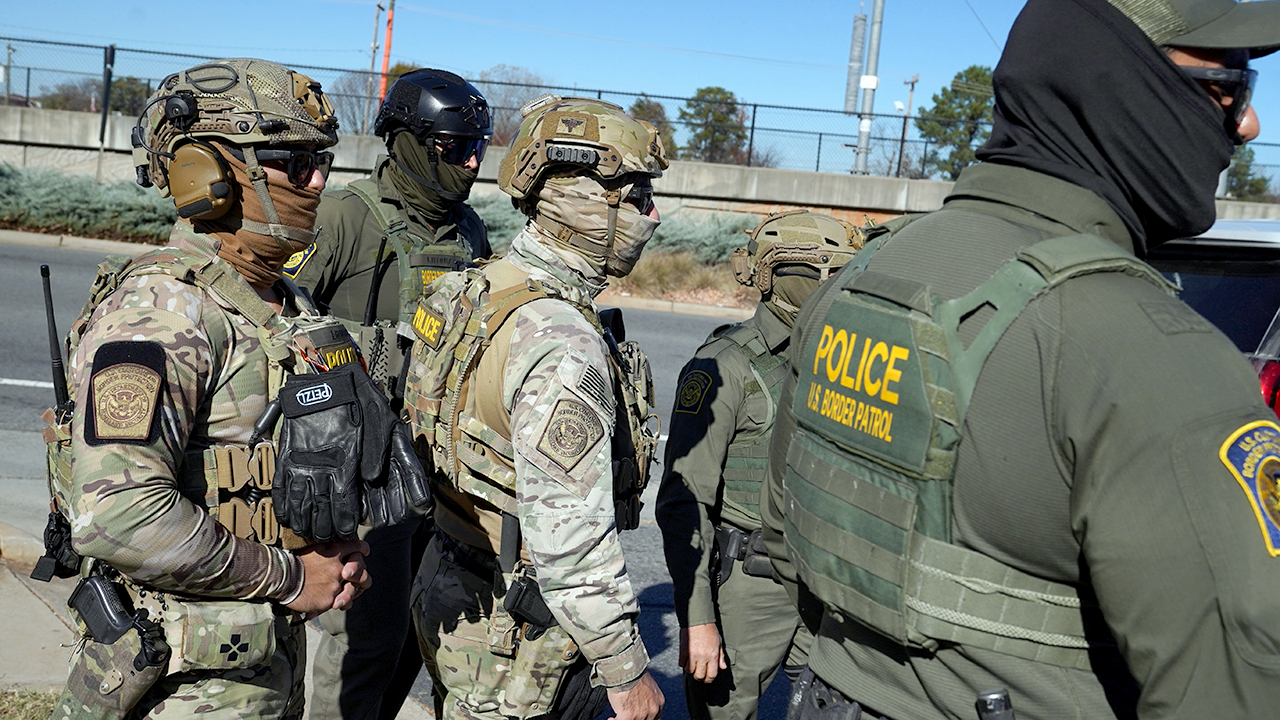
The current impasse centers on the Department of Homeland Security funding bill. Senate Democrats, led by Minority Leader Chuck Schumer (D-N.Y.), are demanding significant changes to Immigration and Customs Enforcement (ICE) operations following two fatal encounters between immigration authorities and civilians in January.
Democrats’ demands include stricter ICE warrant requirements, an end to roving patrols, mandatory partnerships with state and local law enforcement, a uniform code of conduct, prohibition of masks, and required body cameras for agents.
The four-bill spending package failed to advance in the Senate on Thursday when Democrats and seven Republican senators voted against a procedural motion. Senate Republicans face additional internal divisions over elements of the compromise deal negotiated between Schumer and the Trump administration, including billions in earmarks and the repeal of a provision allowing senators to sue for $500,000 if their phone records were subpoenaed by former Special Counsel Jack Smith.
The Senate hopes to complete work on a modified package Friday evening and send it to the House, but the timeline remains uncertain with the February 1 deadline approaching.
Rep. DesJarlais criticized the political gridlock: “There are plenty of other ways for Democrats to achieve their policy goals rather than engage in tactics simply designed to post something on their social media profiles.”
As negotiations continue, federal workers across multiple agencies are preparing for the possibility of furloughs or working without immediate pay, creating anxiety among those still recovering financially from the previous shutdown.
Fact Checker
Verify the accuracy of this article using The Disinformation Commission analysis and real-time sources.

14 Comments
The threat of a government shutdown is extremely concerning, especially given the potential impacts on the military and emergency services. Lawmakers must act quickly to find a solution and prevent further disruptions.
This is concerning news. The prospect of another partial government shutdown puts critical services and personnel at risk. Legislators should prioritize funding for the military, emergency services, and other essential functions over political disputes.
I agree. Holding government funding hostage for unrelated political agendas is irresponsible and harmful to the country. Lawmakers need to find a compromise solution before services are disrupted.
This is a troubling development. The potential disruption to military pay and emergency services is unacceptable. Legislators must put aside political differences and fulfill their duty to fund the government.
The prospect of military personnel facing disrupted paychecks is deeply concerning. Our service members deserve stable, uninterrupted compensation, regardless of political disagreements in Congress.
This situation highlights the need for greater bipartisanship and compromise in Congress. Lawmakers should put the well-being of the American people above partisan interests to avoid the damage caused by government shutdowns.
Well said. Shutdowns erode public trust and undermine the functioning of critical government services. Legislators need to find a way to work together and fund the government responsibly.
This is a worrying development. Funding disputes should not jeopardize the livelihoods of federal employees or the provision of essential services. Congress must put partisan differences aside and fulfill its duty to the American people.
I agree. Holding government operations hostage for political gain is unacceptable. Legislators need to find a compromise that keeps the government running and protects the wellbeing of the public.
The prospect of another government shutdown is deeply troubling. Our military personnel and emergency services should not be impacted by partisan political battles. Lawmakers must find a solution to avoid further disruptions.
The ongoing funding standoff highlights the dysfunction and partisanship in Congress. Shutdowns negatively impact hardworking federal employees and the public they serve. A bipartisan solution is needed to avoid further damage to government operations.
You’re right. Shutdowns erode public trust in government and undermine critical functions. Lawmakers should put the interests of the American people first and reach a deal to keep the government running.
Another government shutdown would be disastrous. Essential personnel and services should not be held hostage due to partisan gridlock. Lawmakers need to act responsibly and negotiate a timely resolution.
I agree completely. Shutdowns harm the public and damage the credibility of government institutions. Legislators must fulfill their basic obligations and keep the government operational.