


Listen to the article
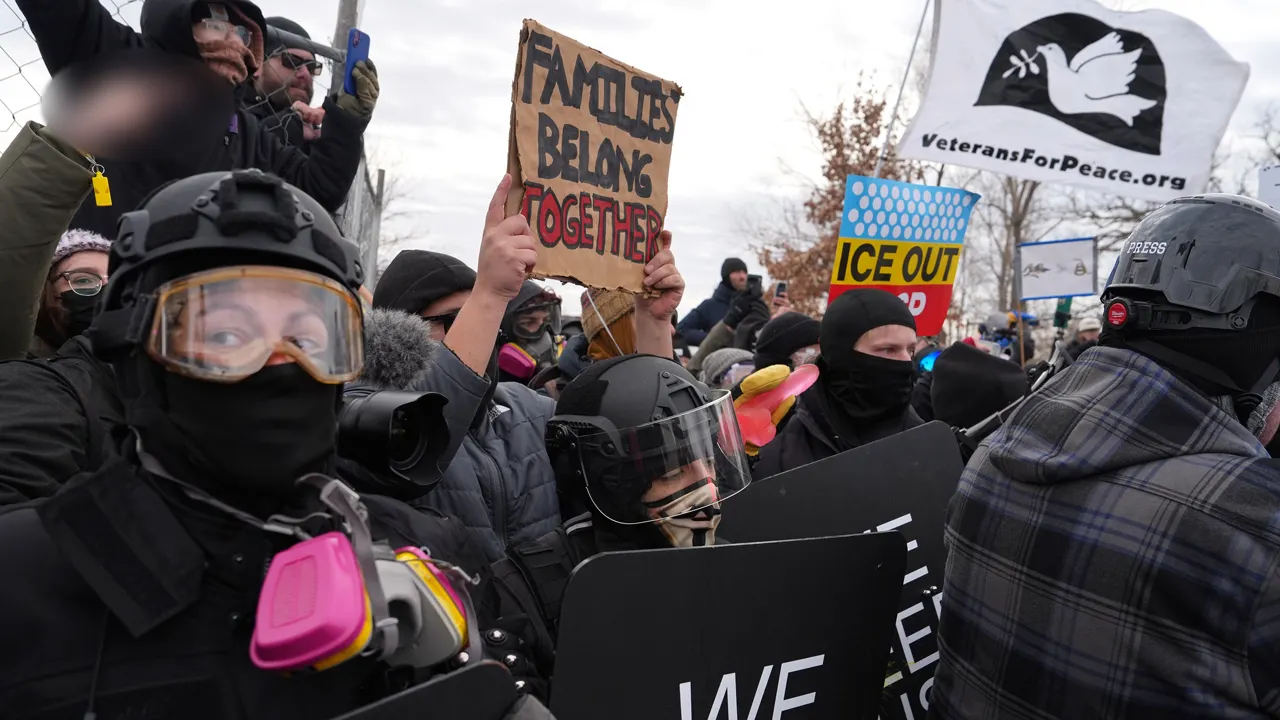
In a significant legislative trend, several U.S. states are moving to criminalize disruptions of religious services, with proposed bills that would elevate such offenses to felony status. These initiatives appear to be a direct response to recent anti-Immigration and Customs Enforcement (ICE) demonstrations that interrupted church services in Minnesota.
Oklahoma has taken the lead, with Republican Governor Kevin Stitt already signing legislation that strengthens penalties against church service disruptions and creates protective “buffer zones” around worshippers. The measure reflects growing concerns about the sanctity of religious gatherings amid increasing political activism.
In Alabama, lawmakers are considering an even stricter approach. The Republican-backed bill would make intentionally disrupting a church service a Class C felony, potentially sending first-time offenders to prison for up to 10 years. The severe penalty highlights the seriousness with which some states view these disruptions.
Idaho legislators have proposed adding churches and religious services to the state’s existing “disturbing the peace” law. If passed, violators could face misdemeanor charges carrying fines up to $1,000 and imprisonment for up to six months.
South Dakota has explored two different approaches. An initial Republican proposal sought to create a 50-foot perimeter around places of worship and establish a one-hour buffer before and after services. This bill failed amid First Amendment concerns. However, a second proposal from Governor Larry Rhoden has gained more support. Rhoden’s bill would reclassify church disruptions from misdemeanors to felonies, punishable by up to two years in prison and fines up to $4,000.
Similarly, Ohio Republicans have introduced legislation to elevate interference with religious services from a first-degree misdemeanor to a fifth-degree felony. Representatives Tex Fischer and Johnathan Newman specifically cited recent protests when announcing their bill.
“While every American has the right to peacefully protest ICE or any other government entity, they do not have a right to storm into a place of worship and disrupt another American’s right to freely practice their religion,” Fischer stated.
These legislative efforts follow a high-profile incident at Cities Church in St. Paul, Minnesota, where anti-ICE protesters interrupted a service while chanting “ICE out.” The disruption resulted in federal criminal charges against nine individuals, including former CNN anchor Don Lemon and another journalist. All were indicted for allegedly conspiring to violate constitutional rights and for violations of the Freedom of Access to Clinic Entrances (FACE) Act.
The FACE Act, enacted in 1994, prohibits intimidation or obstruction intended to interfere with an individual’s right to religious freedom at places of worship or reproductive healthcare facilities. Critics, particularly Republicans and pro-life groups, have long argued that the law has been selectively enforced, with previous administrations focusing primarily on demonstrations at reproductive healthcare facilities rather than places of worship.
This perception shifted under the Trump administration. Shortly after beginning his second term, President Donald Trump pardoned 23 individuals who had been arrested for FACE Act violations. The Justice Department does not maintain an official count of individuals charged under the Act since its passage more than three decades ago.
The wave of new state-level legislation reflects the escalating tensions surrounding immigration enforcement protests and the broader debate about where and how demonstrations should be conducted. As lawmakers push for stronger protections for religious services, they must balance these protections against constitutional guarantees of free speech and assembly.
As Representative Fischer noted, the goal is to prevent America from becoming “a place where families fear they may face harassment or see their religious services disrupted by activists attempting to score political points while attending church on a Sunday morning.”
Fact Checker
Verify the accuracy of this article using The Disinformation Commission analysis and real-time sources.

10 Comments
This is a tricky situation without easy answers. While I sympathize with the aim of protecting religious services, the proposed penalties seem excessively harsh. I hope legislators can craft a more measured response that addresses disruptions without unduly criminalizing political dissent.
Disrupting religious services is concerning, but felony charges seem like an excessive response. Perhaps more limited measures, such as fines or misdemeanors, could address the problem without resorting to harsh prison sentences. Peaceful protest is a fundamental right that shouldn’t be stifled.
You raise a fair point. Maintaining public order is important, but overly punitive laws could have unintended consequences and chill legitimate protest activity.
This is a complex issue with valid concerns on both sides. While protecting the sanctity of religious services is important, overly harsh penalties could infringe on free speech and assembly rights. A balanced approach is needed to address disruptions without unduly criminalizing political activism.
I agree, a nuanced solution is required to uphold religious freedoms while respecting civil liberties. Lawmakers will have to carefully weigh these competing interests.
The desire to safeguard religious gatherings is understandable, but these measures seem heavy-handed. Disruptions should be addressed, but not with lengthy prison terms. I hope lawmakers can find an approach that upholds both the sanctity of worship and the right to peaceful protest.
Well said. Protecting the freedom of religion is important, but so is preserving the fundamental rights of free speech and assembly. Achieving the right balance will be critical.
I’m curious to see how these proposed bills balance religious freedom and civil liberties. While protecting worshippers is understandable, we must be cautious about setting a precedent that could restrict lawful political expression, even if it disrupts services. A thoughtful compromise is needed.
Disrupting religious services is concerning, but the proposed criminal penalties seem disproportionate. I worry these laws could have a chilling effect on legitimate protest and free expression, even if unintended. A thoughtful, balanced approach is needed to address the problem without trampling on civil liberties.
I agree, the focus should be on maintaining public order and respecting the sanctity of worship, while still preserving the fundamental rights of citizens to peacefully assemble and voice their views.