


Listen to the article
One week into the U.S. and Israeli military offensive against Iran, Republican senators on the Senate Armed Services Committee report that the operations have significantly diminished Tehran’s ability to retaliate, while emphasizing the campaign will not evolve into prolonged American involvement in the Middle East.
“Our military is doing a great job,” Senator Rick Scott of Florida told Fox News Digital in an exclusive interview. “They [Iran] want to destroy America. We’ve got to stop them.”
North Carolina Senator Ted Budd, who was also interviewed during an economic conference hosted by the conservative Club for Growth in Florida, added, “We have significantly degraded Iran’s ability to shoot back at us… their capacities are degraded. We’ve had great success.”
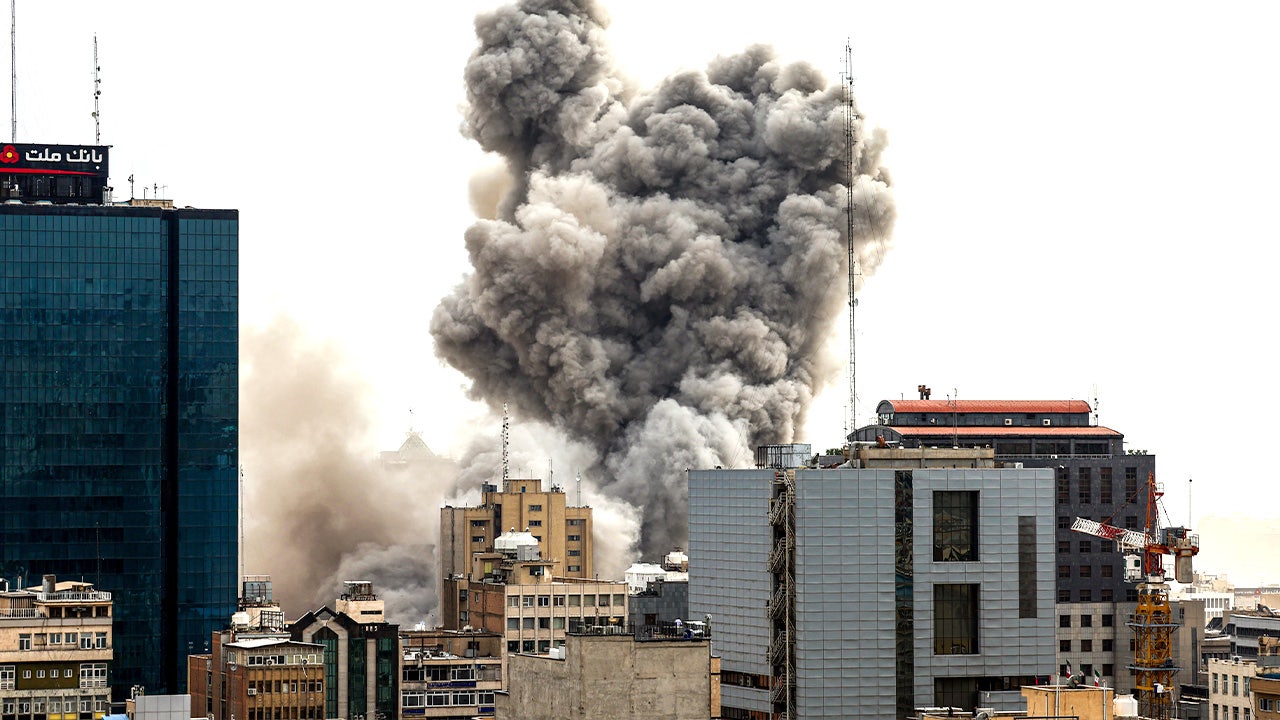
The military campaign, dubbed “Operation Epic Fury,” has expanded in scope over the past week as Iran has retaliated against multiple nations in the region. The operation began with strikes that killed Iranian Supreme Leader Ayatollah Ali Khamenei, marking a significant escalation in regional tensions.
President Donald Trump has maintained an aggressive stance, calling for Iran’s “unconditional surrender” and warning that Tehran will be “hit very hard.” The president indicated that the U.S. is considering targeting “areas and groups” previously off limits. In a recent interview with Axios, Trump suggested he should have input in selecting Iran’s next leader, raising questions about U.S. intentions regarding regime change.
The conflict has prompted political debate in Washington. Both Republican-controlled chambers of Congress recently rejected Democratic efforts to restrict the president’s military authority in the region, with votes falling almost entirely along party lines.
Despite the escalation, Republican lawmakers insist the current strategy aligns with Trump’s long-standing opposition to extended military engagements abroad.
“Trump doesn’t want to be in forever wars. Every time I’ve talked to him, he doesn’t want that,” Scott emphasized. “But I think what we do want to make sure is that we don’t have another Ayatollah who wants to… chant ‘Death to America’ and death to our allies and try to destroy us.”
Senator Budd reinforced this position, stating, “We’re not up for forever wars. We want to get in, get this thing done, get out and have peace for our country and the rest of the region.”
The military action has received mixed reactions from the American public. According to a Fox News national poll, 61 percent of respondents view Iran as a danger to the United States, yet support for the strikes remains evenly divided, with 50 percent approving and 50 percent disapproving. Other national polls show even lower approval rates, though Republican voters consistently demonstrate strong support for the operations.
The conflict has triggered immediate economic consequences, particularly in energy markets. Oil prices have surged since hostilities began, resulting in higher gasoline costs across America. This poses a political challenge for Republicans as they work to maintain control of their House and Senate majorities in upcoming midterm elections.
Senator Scott expressed optimism that these economic disruptions would be temporary. “Hopefully it’s all going to be short term. Hopefully… the demolition of the Iranian military will happen quickly and actually will get lower oil prices,” he said.
Senator Budd acknowledged the short-term market disruptions but predicted eventual improvement: “Very soon we’ll have gas prices much cheaper than ever before. We were already on that pathway. President Trump is all about stability. He’s all about the price of oil.”
As the conflict enters its second week, questions remain about the ultimate objectives of the U.S.-Israeli campaign and how long military operations will continue in a region known for its complex geopolitics and entrenched conflicts.
Fact Checker
Verify the accuracy of this article using The Disinformation Commission analysis and real-time sources.

10 Comments
Striking the right balance between addressing threats and avoiding ‘forever wars’ is a critical challenge. The GOP senators’ assessment of the strikes’ impact on Iran’s military is noteworthy, but the long-term consequences will need to be closely monitored.
Avoiding ‘forever wars’ while still addressing threats is a delicate challenge. It will be interesting to see how this military campaign unfolds and whether Iran can be deterred without leading to prolonged American involvement in the region.
The GOP senators’ assessment that the strikes have significantly impacted Iran’s military capabilities is noteworthy. Maintaining pressure on Iran while avoiding protracted conflict will be critical. I wonder what the long-term strategic implications of this campaign could be.
You raise a good point. The long-term effects of this operation will be important to monitor, as the goal of degrading Iran’s abilities must be balanced against avoiding a drawn-out conflict.
It’s good to hear the strikes have degraded Iran’s ability to retaliate. Avoiding ‘forever wars’ while still addressing threats is an important balance to strike. I’m curious to see how the military campaign evolves and whether Iran can be deterred from further aggression in the region.
The senators’ comments about the success of the strikes in degrading Iran’s military capabilities are significant. Maintaining pressure on Iran while avoiding escalation into a prolonged conflict will require careful strategic planning. I’m curious to see how this campaign unfolds and what the long-term implications might be for regional stability.
The senators’ comments about the success of the strikes in degrading Iran’s capabilities are significant. Maintaining pressure on Iran while avoiding escalation into a larger conflict will require careful strategic planning. I’m curious to see what the long-term implications of this campaign will be.
The senators’ comments about the success of the strikes in degrading Iran’s capabilities are significant. Maintaining pressure on Iran while avoiding escalation into a larger conflict is a critical challenge. I’m curious to see how this military campaign evolves and what the long-term implications might be.
Avoiding ‘forever wars’ while still addressing threats is a complex issue, and the GOP senators’ assessment of the strikes’ impact on Iran is noteworthy. It will be important to monitor the long-term effects of this campaign and ensure that any actions taken are strategically sound and proportionate.
It’s encouraging to hear the strikes have had a significant impact on Iran’s ability to retaliate. Avoiding prolonged American involvement in the Middle East while still addressing threats is a delicate balance that will require continued vigilance and strategic thinking.