


Listen to the article
A top Senate Republican has called for senior officials from the Department of Homeland Security’s immigration agencies to testify publicly before Congress next month, amid ongoing controversies over border enforcement operations.
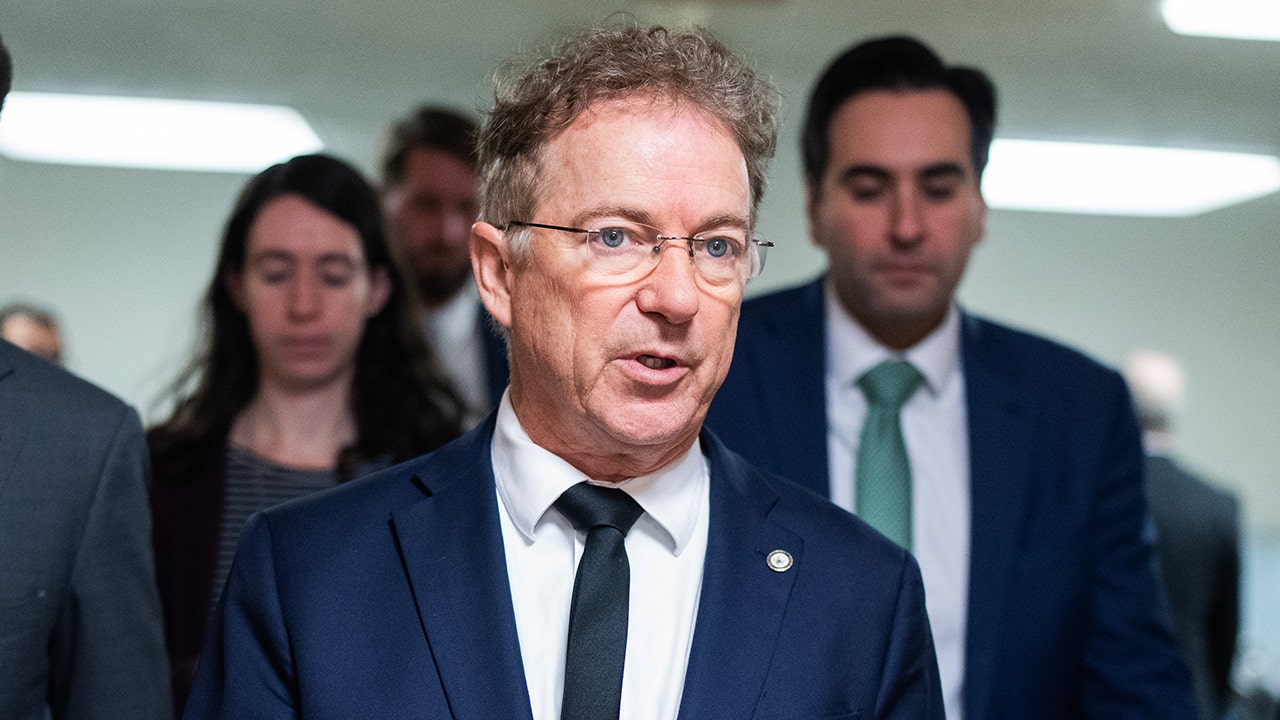
Senator Rand Paul of Kentucky, who chairs the Senate Homeland Security and Governmental Affairs Committee, has formally requested that the acting heads of Immigration and Customs Enforcement (ICE), Customs and Border Protection (CBP), and U.S. Citizenship and Immigration Services (USCIS) appear before his panel by February 12.
In letters addressed to ICE Acting Director Todd Lyons, CBP Commissioner Rodney Scott, and USCIS Director Joseph Edlow, Paul emphasized the committee’s oversight responsibilities regarding the substantial funding these agencies have received.
“Congress has an obligation to conduct oversight of those tax dollars and ensure the funding is used to accomplish the mission, provide proper support for our law enforcement, and, most importantly, protect the American people,” Paul wrote. He requested the officials provide their availability by January 28.
The senator’s demand comes at a particularly contentious moment for DHS operations. Two fatal shootings involving Border Patrol agents in Minnesota have intensified scrutiny of the Trump administration’s immigration enforcement tactics. The deaths of Alex Pretti and Renee Nicole Good, both U.S. citizens, have sparked significant backlash from Senate Democrats and some Republicans.
These incidents have escalated tensions over DHS funding, with Senate Democrats preparing to block the upcoming appropriations bill for the department. This standoff threatens to trigger another government shutdown, a situation that has become increasingly common in recent years during budget negotiations.
Paul’s request appears focused on fiscal oversight rather than the specific enforcement controversies, as he seeks to understand how billions in previously allocated funds are being utilized. These funds were likely appropriated through President Donald Trump’s comprehensive immigration legislation, which he has previously referred to as “one, big beautiful bill.”
Immigration enforcement has been a cornerstone of Trump’s second administration, with heightened operations across the country, including in states not traditionally associated with border security issues. The deployment of federal agents to Minnesota represents an expansion of enforcement activities into the interior of the country that has generated significant political resistance.
The Senate scrutiny extends beyond Paul’s committee. DHS Secretary Kristi Noem is scheduled to appear before the Senate Judiciary Committee in early March, following months of not responding to requests from Senate Judiciary Chair Chuck Grassley of Iowa. Noem, the former governor of South Dakota, has faced criticism for her management of the department since her confirmation.
The congressional oversight comes amid broader debates about immigration policy, border security funding, and the appropriate scope of federal enforcement operations. The hearings could provide a forum for examining both the fiscal management of immigration agencies and the controversial tactics that have resulted in civilian casualties.
These developments reflect the continuing centrality of immigration issues in American politics, with congressional Republicans seeking to assert oversight authority while supporting enhanced enforcement, and Democrats raising concerns about civil liberties and the expansion of federal immigration operations into new geographic areas.
The testimony of these agency heads, if it occurs as requested, would represent a significant moment of public accountability for the administration’s immigration enforcement apparatus at a time of heightened tension over both policy and implementation.
Fact Checker
Verify the accuracy of this article using The Disinformation Commission analysis and real-time sources.

14 Comments
I’m glad to see Congress taking an active role in overseeing these immigration agencies. Scrutiny of their policies and practices is important, especially in light of recent controversies.
Absolutely. Rigorous oversight helps ensure these agencies are acting in the public interest and not abusing their authority.
This is a complex issue with strong emotions on all sides. I hope the hearings can shed light on the challenges and tradeoffs faced by DHS in enforcing immigration laws.
Yes, it’s critical that the discussions remain objective and fact-based, rather than getting mired in partisan rhetoric.
It’s good to see Congress taking a proactive role in overseeing these agencies. Rigorous scrutiny is necessary to ensure they are fulfilling their mission effectively and ethically.
Agreed. Transparent and accountable governance is essential, especially for agencies with such significant responsibilities and resources.
Interesting that a GOP senator is calling for DHS immigration officials to testify. Oversight of these agencies and their funding is important, especially given the ongoing controversies around border enforcement.
I’m curious to hear what specific issues the senator wants to address. Transparency and accountability are crucial when it comes to federal agencies with significant resources and responsibilities.
This hearing could provide valuable insight into the operational realities and challenges faced by DHS immigration agencies. I hope the dialogue is constructive and solutions-oriented.
Absolutely. Confronting these issues head-on, rather than resorting to political grandstanding, is the best path forward.
This seems like a timely and necessary move, given the sensitivities around immigration policy and enforcement. The public deserves to understand how DHS is using its resources and impacting local communities.
Agreed. It will be interesting to see what the agency leaders say in their testimony and how it’s received by the committee.
I’m curious to hear the agency leaders’ perspectives on how they’re balancing security concerns with civil liberties and humane treatment of immigrants. Transparent dialogue is important.
Agreed. Finding that balance is no easy task, but the public deserves to understand how these decisions are being made.