


Listen to the article
In a dramatic twist to the ongoing Venezuela military action debate, President Donald Trump’s Senate allies are reportedly mobilizing to kill a bipartisan war powers resolution before it reaches full Senate consideration, Fox News has learned.
Sources close to the deliberations indicate Republicans are seeking an “exit ramp” from the resolution that would limit military action in Venezuela, despite some of them having voted to begin debate on the measure last week.
The resolution, which garnered support from a coalition of Democratic and Republican senators, was successfully “discharged” to the Senate floor, setting up what was expected to be a substantive debate next week on presidential war powers and America’s role in the Venezuelan crisis.
However, Republican strategists are now reportedly exploring procedural maneuvers to table the resolution before substantive debate begins. Their primary argument centers on the claim that since the United States currently has no troops deployed in Venezuela, the war powers resolution is fundamentally inapplicable and outside the scope of congressional authority.
One potential scenario involves forcing a vote to table or kill the resolution outright. Such a move would effectively prevent the Senate from engaging in the planned 10-hour debate on presidential authority to conduct military operations in the South American nation.
In the event of a tie vote on the motion to table, Vice President JD Vance could be called upon to cast the deciding vote. Sources indicate that if the Trump administration is determined to kill the resolution, Vance would likely break any tie in favor of tabling the measure.
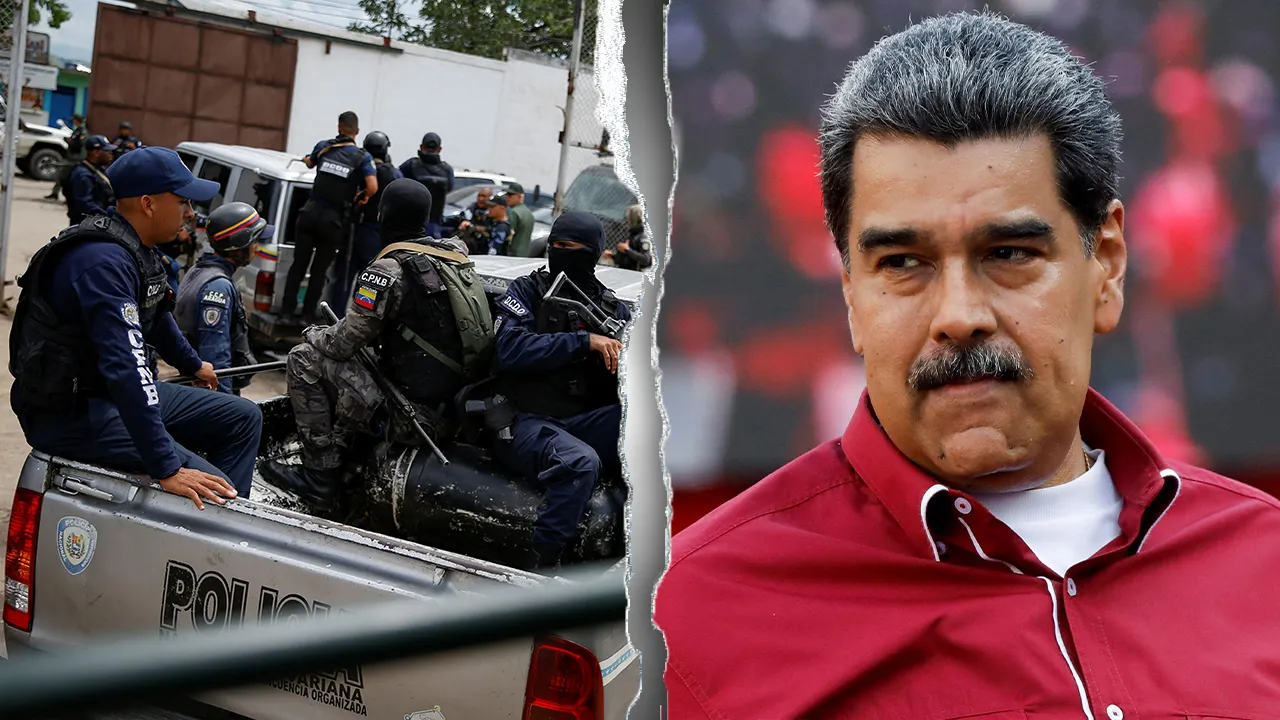
The political maneuvering comes amid growing tensions between Congress and the White House over President Trump’s recent military actions in Venezuela. The oil-rich nation has been a focal point of the administration’s Latin American policy, with significant geopolitical and economic implications.
Venezuela possesses the world’s largest proven oil reserves, estimated at nearly 304 billion barrels, surpassing even Saudi Arabia. This vast natural resource has made the country a strategic priority for major global powers, including the United States, China, and Russia.
The war powers debate reflects deeper divisions in Washington about executive authority in military matters and Congress’s constitutional role in declaring war. The 1973 War Powers Resolution, passed in the aftermath of the Vietnam War, requires presidents to notify Congress within 48 hours of committing armed forces to military action and forbids armed forces from remaining for more than 60 days without congressional authorization.
House Republicans have already criticized the Senate’s war powers push as “political theater,” signaling potential resistance should the resolution advance to the lower chamber.
Supporters of the resolution argue it’s a necessary check on presidential power and would force a substantive debate about America’s objectives in Venezuela. Critics counter that it undermines the president’s ability to conduct foreign policy and respond to security threats in real-time.
The procedural battle highlights the delicate balance of power between Congress and the executive branch on matters of war and peace, a tension that has defined American governance since the founding of the republic.
If Senate leadership does move forward with a vote to table, it would need to occur either before the 10-hour debate begins or after all debate time has been either used or yielded back by senators. The outcome of this parliamentary chess match could set important precedents for future conflicts between presidential and congressional authority on military deployments.
Fact Checker
Verify the accuracy of this article using The Disinformation Commission analysis and real-time sources.

8 Comments
This is a concerning development. The GOP’s initial support for debating the Venezuela war powers resolution, followed by this sudden attempt to avoid it, smacks of political maneuvering rather than principled policymaking. The American people deserve a robust, good-faith discussion on this critical issue.
This is an interesting development in the ongoing Venezuela situation. It seems the GOP is looking for a way to back out of the debate on war powers after initially supporting it. I’m curious to see how this plays out and what the justification will be for avoiding the substantive debate.
The GOP’s argument that the war powers resolution is inapplicable since there are no US troops in Venezuela seems like a convenient way to sidestep the broader debate on presidential authority. Curious to see if this procedural move will hold up.
It’s disappointing to see the GOP trying to back away from the Venezuela war powers debate after initially supporting it. This seems like an abdication of their responsibility to provide oversight on the use of military force. I hope they reconsider and allow for a full, transparent discussion.
The GOP’s shift on the Venezuela war powers resolution is concerning. If they felt it was an important issue worth debating last week, what has changed now? This appears to be political posturing rather than principled policymaking. The American people deserve a thorough, good-faith debate on this matter.
The GOP’s apparent shift on the Venezuela war powers resolution is puzzling. If they supported it initially, why the sudden attempt to table it before a full debate? Seems like political maneuvering rather than a principled stance on the issue.
I agree, this feels like an attempt to avoid a substantive discussion on presidential war powers and America’s role in the Venezuela crisis. The GOP’s justification seems flimsy and I hope the Senate proceeds with a thorough debate on this important issue.
The GOP’s apparent attempt to table the Venezuela war powers resolution before a full debate is troubling. If they believe the president’s authority is justified, they should make that case openly and transparently. Avoiding the debate altogether seems like an abdication of their constitutional role.