


Listen to the article
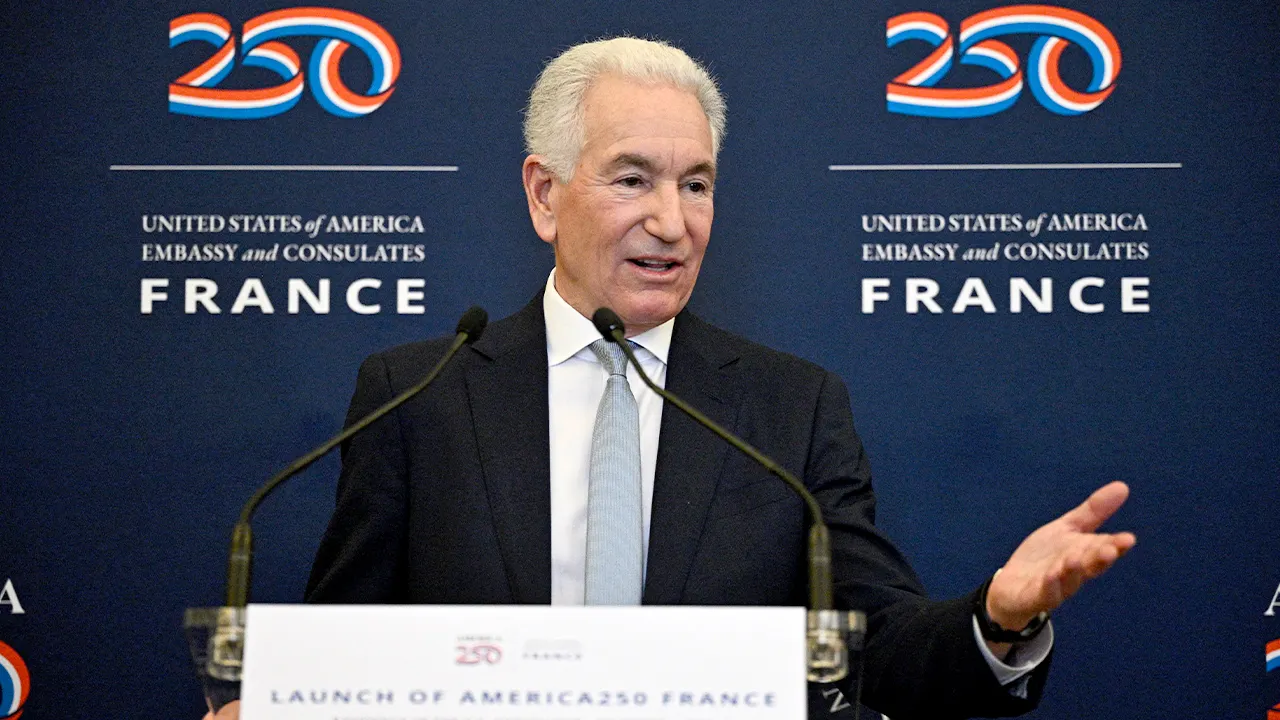
France has restricted U.S. Ambassador Charles Kushner’s access to senior government officials after he failed to attend a summons from the French Foreign Ministry regarding comments about the death of a French activist.
Speaking to public broadcaster France Info on Tuesday, French Foreign Minister Jean-Noël Barrot said Kushner’s decision not to appear at the Quai d’Orsay “will naturally affect his ability to carry out his mission in our country,” and demanded “explanations” from the ambassador.
Barrot described the no-show as a “surprise,” stating that when an ambassador has “the honor of representing your country in France,” they are expected to “respect the most basic practices of diplomacy” and respond to summons from the ministry.
The diplomatic tension stems from social media posts by official U.S. government accounts following the death of Quentin Deranque, a 23-year-old activist who was killed in Lyon earlier this month. According to the Associated Press, Deranque, described as a fervent nationalist, was beaten during clashes between far-left and far-right activists and later died from brain injuries sustained in the attack.
On February 19, the U.S. State Department’s Bureau of Counterterrorism posted on X: “Reports, corroborated by the French Minister of the Interior, that Quentin Deranque was killed by left-wing militants, should concern us all. Violent radical leftism is on the rise and its role in Quentin Deranque’s death demonstrates the threat it poses to public safety.” The post concluded with: “We will continue to monitor the situation and expect to see the perpetrators of violence brought to justice.” The U.S. Embassy in France subsequently shared this statement on its official account.
Barrot rejected what he characterized as foreign interference in France’s domestic affairs, saying the remarks amounted to an “injunction” toward France. “We have no lessons to learn in matters of maintaining order or public order in matters of violence and we have no lessons to learn at all from the reactionary international, simply,” he told France Info.
The incident highlights growing tensions between the diplomatic missions of the two longstanding allies. The French government’s decision to limit Kushner’s access to senior officials represents a significant diplomatic rebuke, though Barrot emphasized that the ambassador could regain access if he provides clarification to the ministry.
The diplomatic rift comes at a sensitive time, as both nations prepare to commemorate the 250th anniversary of their historic alliance this year. The Franco-American relationship dates back to the American Revolutionary War when France provided crucial military and financial support to the fledgling United States in its fight for independence from Great Britain.
Despite the current friction, Barrot expressed hope that cooperation between the two nations would continue “in this spirit” of their historic partnership, suggesting the French government is seeking to contain the dispute and prevent it from spilling over into broader bilateral relations.
The incident also reflects the complex political landscape in France, where tensions between far-right and far-left groups have intensified in recent years. Deranque’s death has become a flashpoint in these divisions, with each side using the tragedy to advance their political narratives.
The U.S. State Department has not immediately responded to requests for comment on the situation, leaving questions about whether diplomatic efforts are underway to resolve the dispute behind the scenes.
This diplomatic spat marks one of the more significant challenges for Kushner since taking up his post as U.S. Ambassador to France. How both governments navigate this tension could set the tone for Franco-American relations in the months ahead, particularly as both countries approach important electoral cycles.
Fact Checker
Verify the accuracy of this article using The Disinformation Commission analysis and real-time sources.

18 Comments
The diplomatic tensions between France and the U.S. ambassador are certainly concerning, but I’m hopeful that both sides can find a way to move forward constructively. Maintaining open communication and respecting diplomatic protocols will be key to resolving this issue and preserving the important alliance between the two countries.
Well said. Diplomacy is often about finding creative solutions to complex problems. With goodwill and compromise on both sides, I’m confident the U.S. and France can navigate this challenge effectively.
This dispute highlights the delicate nature of international relations. While the U.S. and France are close allies, there will inevitably be differences and disagreements. The key is managing those in a way that maintains the overall relationship and serves the interests of both countries.
Exactly. Even strong alliances require constant work to navigate challenges. Hopefully the two sides can find a mutually acceptable resolution that strengthens their partnership in the long run.
This dispute highlights the challenges of balancing national interests and diplomatic protocols. While France’s response may seem heavy-handed, the U.S. ambassador’s absence from the summons was also a concerning breach of diplomatic etiquette. I hope the two sides can find a way to resolve this issue constructively and maintain their important alliance.
Agreed. Diplomacy often requires compromise and nuance, even when there are strong disagreements. Hopefully the U.S. and France can work through this in a way that strengthens their relationship in the long run.
This situation highlights the complexities of international relations and the need for nuance. I’m curious to see how the U.S. and France navigate this challenge and whether they can find common ground.
Absolutely, diplomacy often requires finding creative solutions to difficult problems. Hopefully the two sides can work through this in a constructive manner.
The death of the French activist is a tragic event, and I can understand France’s desire for a full explanation from the U.S. ambassador. Diplomatic protocol is important, but the substance of the issue should not be overlooked either.
That’s a fair perspective. Resolving the underlying concerns around the activist’s death should be the priority, while also maintaining proper diplomatic channels.
This situation highlights the delicate balance of diplomacy and the need for mutual respect, even when there are disagreements. It will be interesting to see how the U.S. and France work to resolve this issue and maintain their important relationship.
You make a good point. Diplomatic relations can be tricky, but open dialogue and compromise are usually the best path forward.
Interesting diplomatic tensions between France and the U.S. ambassador. It’s important for diplomats to respect the protocols and practices of the host country, even if they disagree with certain actions. Hopefully this can be resolved through open communication and mutual understanding.
Agreed, diplomacy requires respect and engagement, even in challenging situations. Hopefully the two sides can find a constructive way forward.
The missed summons by the U.S. ambassador seems like a misstep that has escalated tensions. However, France’s response of restricting access also raises questions about proportionality. I hope cooler heads can prevail and the two countries can find a way to move forward.
That’s a fair assessment. Diplomacy often requires balancing competing interests and finding the right level of response. Deescalation and open communication will be key.
The death of the French activist is certainly a sensitive issue, and I can understand France’s desire for a thorough explanation. However, the U.S. ambassador’s failure to attend the summons also seems like a misstep. This situation underscores the importance of diplomats respecting local protocols, even when there are disagreements.
Well said. Diplomatic norms and procedures exist for good reason, and upholding them is crucial for maintaining productive international relationships, even in difficult circumstances.