


Listen to the article
Americans divided on U.S. military action in Iran as partisan lines deepen
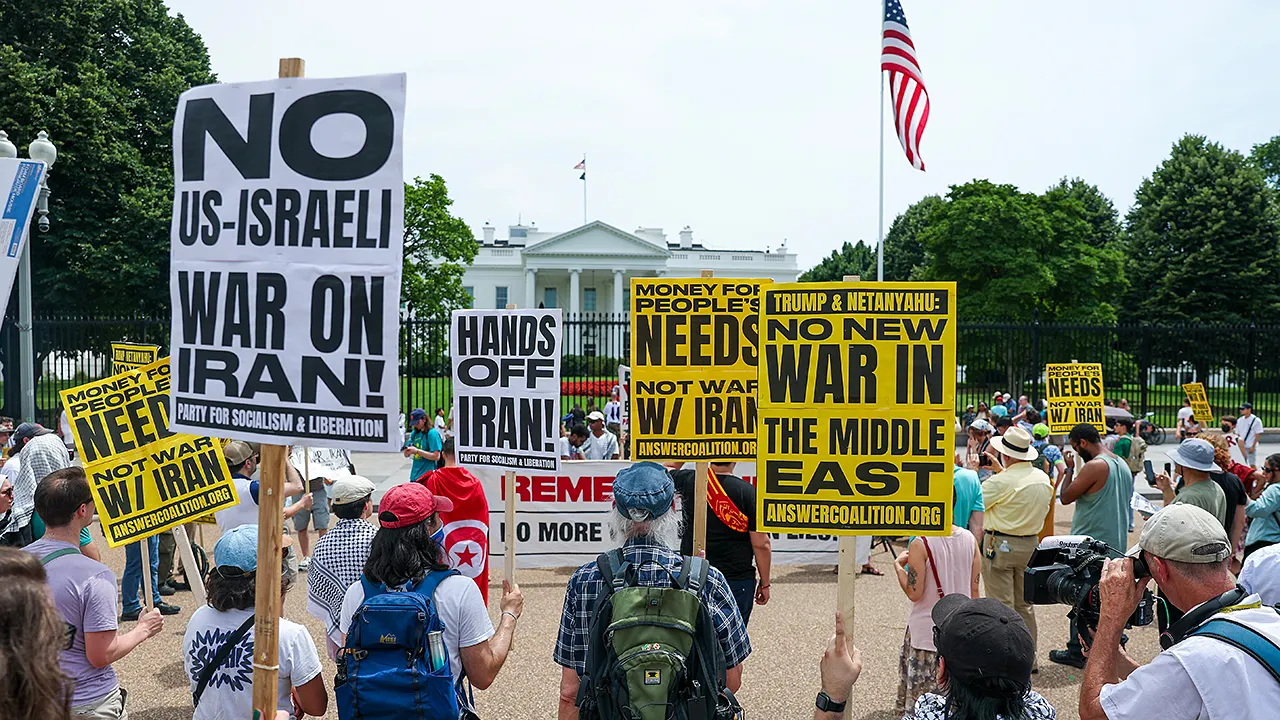
American voters are sharply divided along partisan lines regarding ongoing U.S. military operations in Iran, according to a new Fox News national survey. The poll reveals that 42% of voters support current military action against Iran, while 58% oppose it, with nearly four in ten expressing strong opposition.
The partisan divide on the issue is particularly pronounced. An overwhelming 77% of Republicans back the military effort compared to just 12% of Democrats and 28% of independents. Even within the Republican party, significant differences exist, with 90% of MAGA supporters favoring the action versus 52% of non-MAGA Republicans.
Gender differences were less dramatic but still notable, with 38% of women and 45% of men supporting the operations.
Many Americans harbor concerns about the long-term security implications of the conflict. More voters (44%) believe the military action will make the United States less safe rather than safer (33%), while approximately a quarter think it will make little difference to national security.
On broader questions of America’s role in global affairs, the nation appears evenly split. Half of voters (50%) believe the U.S. should be more engaged and take the lead in world events, while 48% prefer a less engaged, more reactive approach. This divide also follows partisan lines, with 72% of Republicans favoring global engagement compared to only 36% of Democrats.
Despite disagreements over the current military approach, voters broadly agree on key objectives in Iran. Majorities support reducing Iran’s ability to support terrorism (70%), ending Iran’s nuclear weapons program (69%), and protecting regional oil flows (66%). A slim majority (53%) also backs regime change as an important goal.
President Trump’s handling of the Iran situation faces significant disapproval, with 64% of voters expressing dissatisfaction, up from 57% in January. His overall job approval stands at 41%, with 59% disapproving – the highest disapproval rating of either of his terms. Nearly half of voters (47%) strongly disapprove of his performance.
Even among Republicans, Trump’s support has eroded to a second-term low of 84%, down from 92% last March. This decline appears driven largely by non-MAGA Republicans, where approval has dropped 11 points in the last year. Meanwhile, MAGA Republicans remain steadfast in their support, with 97% approving.
The U.S. military’s performance in the Iranian conflict receives more positive evaluations than the overall mission, with 58% rating it as excellent or good. However, assessments of how the operation is progressing are less favorable, with 52% saying things are not going well, compared to 47% who believe they are.
“Historically, foreign policy attitudes have been notoriously context dependent,” notes Republican pollster Daron Shaw, who conducts Fox News polls with Democrat Chris Anderson. “Today, it seems many partisans rate the Iranian conflict based on their broader perceptions of Trump. Facts on the ground are interpreted to conform to partisan predispositions.”
Few Americans expect a quick resolution to the conflict, despite early predictions. Only 13% believe it will end in weeks, while 37% expect it to last months and 15% anticipate a full year. More than a third (35%) believe the end is more than a year away.
Military veterans diverge significantly from the general population in their views. They show stronger support for the military action (61%), are more optimistic about its progress (67%), and are more likely to believe it will enhance national security (45%). Veterans also report higher approval of the president’s overall job performance (55%) and his handling of Iran specifically (53%).
In terms of broader concerns, 66% of voters worry about Iran obtaining nuclear weapons. However, domestic issues continue to dominate voters’ concerns, with inflation (86%), healthcare (81%), political divisions (80%), and gas prices (80%) all ranking as major worries.
The Fox News survey was conducted March 20-23, 2026, with a sample of 1,001 registered voters and has a margin of error of ±3 percentage points.
Fact Checker
Verify the accuracy of this article using The Disinformation Commission analysis and real-time sources.

11 Comments
The partisan divide on this issue is quite striking. It will be interesting to see if public opinion shifts as the situation evolves or if it remains deeply polarized.
Foreign policy tends to be an area where partisan differences often come to the forefront. Balancing national security with public sentiment is an ongoing challenge for policymakers.
The concerns about long-term security implications are understandable. Military action should be a last resort, with a clear assessment of potential consequences. Diplomacy and de-escalation efforts may be preferable if feasible.
It’s a complex issue with understandable concerns on both sides. Voters seem to want to support the troops while being cautious about escalating military action. Maintaining national security while avoiding unnecessary conflicts is a delicate balance.
Agreed, foreign policy decisions often involve difficult trade-offs. Careful analysis of the risks and benefits is crucial.
It’s encouraging to see that voters are carefully considering the broader global context and not just reacting based on partisan allegiances. Nuanced discussions on complex foreign policy issues are important for a well-informed electorate.
Absolutely, it’s crucial that voters weigh the full range of factors when forming opinions on foreign policy matters. Simplistic partisan stances often overlook important complexities.
The gender differences in support for military action are noteworthy. It would be valuable to further explore the underlying reasons for this divide in public opinion.
The poll results highlight the challenging balance between supporting the armed forces and avoiding unnecessary military entanglements. Policymakers will need to carefully navigate this tension.
Indeed, maintaining strong national defense while exercising restraint in the use of force is an ongoing dilemma for any government. Striking the right balance is critical.
This poll underscores the need for robust public discourse and debate on foreign policy issues. Informed citizens are essential for democratic decision-making on matters of war and peace.