


Listen to the article
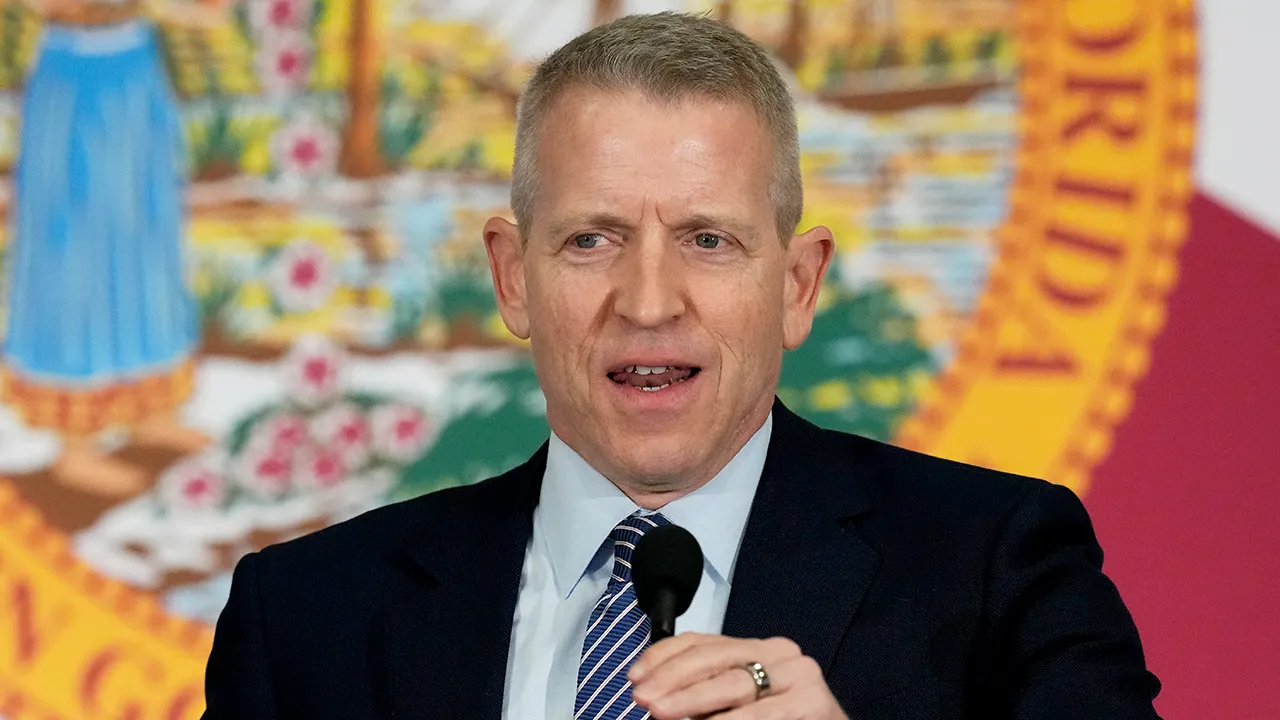
In a controversial move that has sparked immediate debate across Florida’s political landscape, former Florida House Speaker Paul Renner has called for a “permanent and comprehensive” federal ban on Muslim immigration as part of his gubernatorial campaign platform. Speaking at a news conference Tuesday, Renner stood before a “No Sharia Law” sign while arguing that Islam is fundamentally incompatible with American constitutional values.
“We have to be realistic and be honest that the long-term compatibility of Islam in this country does not exist,” Renner stated during the event. “We cannot have long-term compatibility with the American Constitution and with the American way of life.”
Renner’s proposal extends beyond immigration restrictions. He called for the denaturalization and deportation of individuals with terrorist ties, those who have defrauded taxpayers, or who have been convicted of serious crimes. The candidate also pledged to pursue legislation designating both the Muslim Brotherhood and the Council on American-Islamic Relations (CAIR) as Foreign Terrorist Organizations (FTOs).
This policy position mirrors an executive order issued by current Florida Governor Ron DeSantis in December that similarly designated these organizations as FTOs. However, that order faced immediate legal challenges, with a federal judge issuing a temporary injunction on First Amendment grounds, according to regional publication The Floridian.
Renner further vowed to end all funding for educational institutions that he claims promote “Sharia law concepts.” Sharia is an Islamic legal framework derived from religious texts that guides many aspects of life for observant Muslims.
The gubernatorial hopeful pointed to previous legislative action in Florida that prohibited the use of certain foreign laws, including Sharia law, in state courts. “Only American law can be used in American courts and that should go without saying,” Renner asserted.
To justify his position, Renner cited what he described as a “recurring pattern of conflict and violence” since the September 11, 2001 terrorist attacks. He specifically referenced a recent shooting at Old Dominion University in Virginia, where Mohamed Bailor Jalloh, a former Army National Guard soldier previously convicted of supporting ISIS, allegedly killed one person and injured two others.
“The simple fact is while there may be people in this country that will live peaceably with us, as a system there will continue to be increased division, increased conflict, and increased violence,” Renner said. “We have to be realistic about that and put a stop to it so that we protect Americans. That is the first order of business for any governor or any elected official.”
Immigration policy has become an increasingly central issue in Florida politics, with the state experiencing significant demographic changes in recent years. Florida has seen growing communities of diverse immigrants, including Muslims, particularly in urban centers like Orlando, Tampa, and South Florida.
Renner launched his gubernatorial campaign last summer and is positioning himself as a hardline conservative in what is expected to be a competitive Republican primary. The race is wide open as Governor DeSantis, currently serving his second consecutive term, is term-limited and cannot run again in 2026.
The field is already taking shape, with former President Donald Trump having previously endorsed U.S. Representative Byron Donalds for the position. Donalds, who represents Florida’s 19th congressional district, has built a national profile as a conservative voice in Congress.
Renner’s proposal has already drawn criticism from civil rights organizations who argue such policies would violate constitutional protections against religious discrimination. Legal experts note that previous attempts at religious-based immigration bans have faced significant court challenges, including the Trump administration’s travel restrictions that were modified multiple times following judicial review.
The gubernatorial race is still in its early stages, with the primary election not scheduled until August 2026, but Renner’s announcement signals that immigration and national security issues will likely feature prominently in the campaign.
Fact Checker
Verify the accuracy of this article using The Disinformation Commission analysis and real-time sources.

18 Comments
This proposal seems to conflict with core American principles of religious freedom and equal protection under the law. We should be wary of policies that single out particular faiths or communities.
Well said. Restricting immigration or citizenship based on religion sets a dangerous precedent that could erode fundamental civil liberties.
This proposal raises significant civil liberties concerns and appears to conflict with American principles of religious freedom and equal protection under the law. We should be very cautious about policies that single out particular faiths or communities.
I agree wholeheartedly. Restricting immigration or citizenship based on religion is not an appropriate or effective solution to complex security challenges.
Designating Islamic organizations as terrorist groups without clear evidence sets a worrying precedent. We should be wary of policies that appear to unfairly target particular faiths or communities.
Agreed. This type of rhetoric and policy proposal is divisive and could lead to increased discrimination and marginalization of Muslim Americans.
As someone concerned about national security, I’m not convinced that restricting Muslim immigration is an effective or appropriate solution. We need a more nuanced, evidence-based approach.
I share your skepticism. Broadly targeting an entire religious group feels like an overly simplistic response to a complex challenge.
While national security is a valid concern, I’m not convinced that restricting Muslim immigration is an effective or appropriate solution. We need a more nuanced, evidence-based approach that respects civil liberties.
Agreed. Broad restrictions targeting an entire religious group seem misguided and could further inflame tensions rather than enhancing security.
This is a concerning proposal that raises major civil liberties concerns. Restricting immigration or citizenship based on religion sets a dangerous precedent and goes against American values of freedom of religion.
I agree, this seems like an overly broad and problematic policy. We need to be very careful about infringing on fundamental rights in the name of security.
While national security is important, I’m not sure that blanket restrictions on Muslim immigration are the right approach. This feels like an oversimplification of a complex issue.
I share your reservations. Targeting an entire religious group seems misguided and could further inflame tensions rather than enhancing security.
As a student of history, I’m concerned that this proposal echoes past attempts to scapegoat and discriminate against religious minorities. We should be wary of policies that undermine core American values.
Well said. Targeting an entire faith group for restrictions sets a dangerous precedent that could erode fundamental civil liberties.
As a concerned citizen, I’m troubled by the implications of this proposal. Targeting Muslim Americans and restricting their rights and freedoms is not the answer to complex security challenges.
I agree. This type of rhetoric and policy is divisive and could lead to increased discrimination and marginalization of Muslim Americans.