


Listen to the article
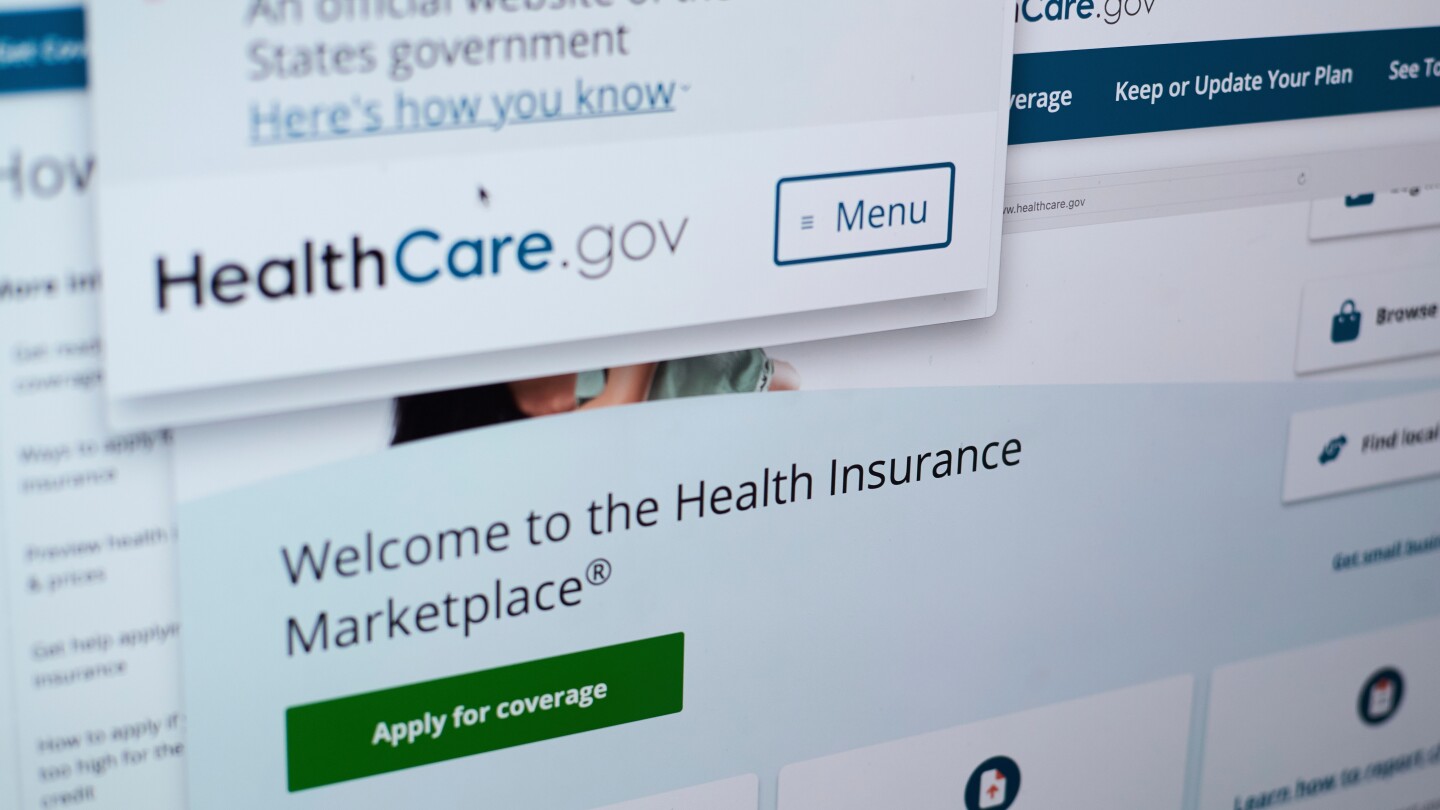
Thursday marked the final day for Americans across much of the country to select an Affordable Care Act health insurance plan, as the expiration of federal subsidies creates financial uncertainty for millions of consumers.
The closing of the open enrollment window affects plans starting in February, though approximately 10 states operating their own marketplaces have extended deadlines until the end of the month, providing residents additional time to make crucial healthcare decisions.
This deadline is particularly significant for self-employed individuals, including small business owners, gig workers, farmers, and ranchers who don’t receive employer-sponsored health insurance. These groups represent a substantial portion of the record 24 million Americans who purchased ACA health plans last year.
This enrollment period has been uniquely challenging as consumers face unclear costs and shifting policy debates. Current enrollment figures show approximately 22.8 million Americans have signed up so far, lagging behind last year’s record numbers, according to federal data.
The uncertainty stems from the January 1st expiration of COVID-era expanded subsidies that significantly reduced costs for more than 90% of enrollees. The lapse of these financial supports has left the average subsidized enrollee facing more than double the monthly premium costs for 2026, according to analysis from health policy nonprofit KFF.
The subsidy expiration followed months of congressional deadlock on the issue, including a record-long government shutdown led by Democrats attempting to preserve the financial assistance. Despite these efforts, no deal materialized before the year-end deadline.
Many enrollees have reported delaying their healthcare decisions or signing up with plans to cancel later as they monitor potential legislative action. Some consumers are waiting to see if Congress will retroactively restore the subsidies before committing to plans that may become unaffordable.
Legislative efforts to address the issue continue with mixed progress. Last week, the House passed a three-year extension of the subsidies with bipartisan support, as 17 Republicans joined Democrats despite opposition from Republican leadership. However, the Senate rejected a similar measure last year, leaving the path forward unclear.
Senator Bernie Moreno (R-Ohio) leads a bipartisan group of 12 senators working toward a compromise solution. Their emerging proposal would implement a two-year extension of enhanced subsidies while introducing new eligibility limits. The plan would also create an option for health savings accounts in the second year—a healthcare approach favored by Republicans and former President Donald Trump.
The proposed compromise would extend the ACA open enrollment period to March 1, giving consumers additional time to navigate their options after recent disruptions. However, significant hurdles remain, including disagreement between parties over whether states can use separate funds for abortion coverage.
Meanwhile, former President Trump announced the outlines of an alternative approach on Thursday. His proposal would redirect ACA subsidies into health savings accounts that would provide funds directly to consumers. Democrats have largely dismissed this concept as insufficient to offset healthcare costs for most Americans.
The subsidy expiration has significant market implications for the healthcare industry. Insurers face potential consumer drop-off if premiums become unaffordable, which could destabilize risk pools and potentially lead to future premium increases. The uncertainty also affects healthcare providers who may see changes in patient volumes depending on insurance coverage rates.
As the enrollment window closes for most Americans, millions face difficult choices between potentially unaffordable health coverage and going without insurance entirely. The outcome of ongoing legislative negotiations will determine whether relief arrives retroactively or if consumers must adapt to a new, more expensive healthcare landscape in 2024.
Fact Checker
Verify the accuracy of this article using The Disinformation Commission analysis and real-time sources.

8 Comments
While the ACA has had its critics, the subsidies have been a lifeline for many. Letting them expire abruptly would be a major blow, especially for the self-employed and small businesses. This is an issue that deserves urgent, pragmatic attention from policymakers.
Interesting to see the impact of the ACA subsidy expiration on health plan enrollment. It’s crucial that policymakers find a way to maintain affordable coverage options, especially for self-employed and gig workers who rely on the ACA exchanges.
Agreed. Consistent, predictable healthcare coverage is essential for economic stability and public health. Hopefully a bipartisan solution can be reached before the February plans take effect.
The ACA has been a major policy debate for years. While it’s had its challenges, the subsidies have helped millions gain access to healthcare. Letting them expire abruptly could create real hardship for many families. I hope Congress can find a way to extend or replace them soon.
Well said. The ACA’s future has major implications, not just for individuals but for the broader economy. Maintaining stability and affordability in the health insurance market should be a top priority.
This deadline is particularly critical for the self-employed and small business owners who rely on the ACA exchanges. Without affordable options, their healthcare and financial security could be jeopardized. Lawmakers need to act quickly to prevent coverage gaps.
The expiration of the ACA subsidies is creating a lot of uncertainty and stress for millions of Americans. Healthcare is a fundamental human need, and it’s troubling to see policy instability in this crucial area. I hope bipartisan solutions can be found to protect access and affordability.
Absolutely. Consistent, affordable healthcare coverage is essential for individual and community well-being. Letting the subsidies lapse without a clear replacement plan could have severe consequences.