


Listen to the article
President Trump has signed an executive order granting federal employees two additional days off for Christmas 2025, creating what will effectively be a five-day holiday break for many government workers.
The order, signed Thursday, declares that “all executive departments and agencies of the Federal Government shall be closed and their employees excused from duty on Wednesday, December 24, 2025, and Friday, December 26, 2025, the day before and the day following Christmas Day, respectively.”
This marks a significant departure from typical presidential holiday gestures. While it’s common practice for presidents to grant federal workers either Christmas Eve or the day after Christmas off, providing both additional days represents a more generous approach that hasn’t been seen in recent administrations.
The timing of the 2025 Christmas holiday means that with these additional days off, many federal workers will enjoy a continuous five-day break spanning from Wednesday through Sunday. For the more than two million civilian federal employees across the country, this extended holiday period offers additional time with family during the busy season.
However, the executive order maintains important exceptions for essential services. Agency heads retain authority to determine which offices must remain open for reasons of “national security, defense, or other urgent public need.” This ensures critical government functions continue uninterrupted during the holiday period.
The Director of the Office of Personnel Management has been tasked with implementing the order across the sprawling federal workforce, which includes employees across dozens of agencies and departments nationwide.
This move follows a pattern from Trump’s first term, when he granted federal employees an extra day off for Christmas Eve in 2018, 2019, and 2020. Last year, under the Biden administration, federal employees received only Christmas Eve off.
Presidential holiday leave decisions often follow both practical considerations and political traditions. When Christmas last fell on a Thursday in 2014, then-President Barack Obama granted only Friday, December 26 off, keeping December 24 as a regular workday.
The federal government’s holiday policies can have significant economic implications. Beyond the direct impact on government workers, these decisions influence government contractors, businesses that serve federal employees, and the broader functioning of agencies that interact with the public.
For federal employees, these additional days will be treated similarly to federal holidays for purposes of pay and leave regulations. This means workers who must report for duty on these days may be eligible for holiday premium pay, while others will enjoy paid time off without using their personal leave balances.
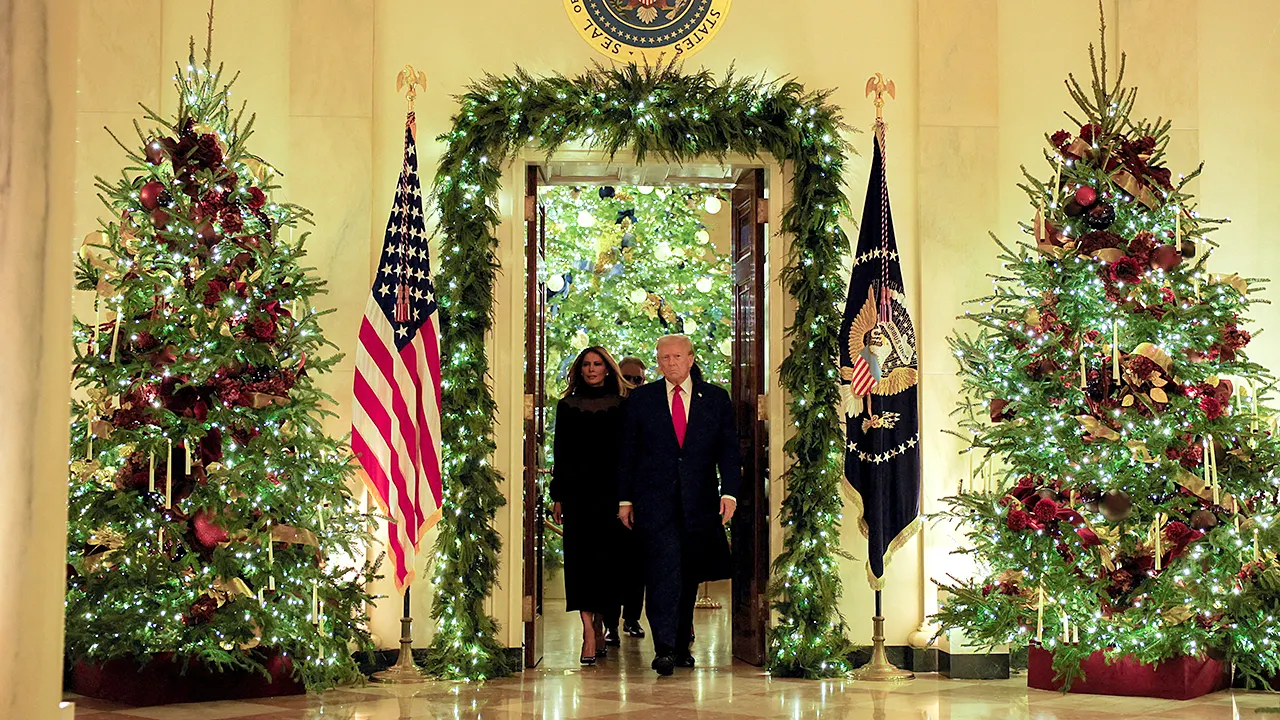
The announcement comes as the White House prepares for its own holiday celebrations. First Lady Melania Trump has been overseeing Christmas decorations at the White House under the theme “Home is Where the Heart Is,” continuing the tradition of festive displays at the executive mansion during the holiday season.
The extended holiday break represents one of several employee-focused initiatives from the administration. Previously, the Trump administration provided $10,000 bonuses to air traffic controllers who maintained perfect attendance during a government shutdown, highlighting a pattern of specific workforce recognition efforts.
As federal agencies begin planning for the extended holiday closure, they will need to communicate which essential services will remain operational during the five-day period to ensure the public is properly informed about government availability during the Christmas week.
Fact Checker
Verify the accuracy of this article using The Disinformation Commission analysis and real-time sources.

16 Comments
As someone who has worked in the federal government, I can appreciate the value of this type of holiday benefit. It helps reduce burnout and shows appreciation for the dedicated civil servants who keep the country running.
That’s a good perspective. These types of employee-focused policies can go a long way in boosting morale and retention in the public sector.
Overall, this seems like a positive move that could help boost federal employee satisfaction and engagement. It will be interesting to see if other employers follow suit or if this remains a unique presidential initiative.
Agreed. If the policy proves successful, it could set a new standard for holiday benefits in both the public and private sectors.
While the extra time off is a nice perk, I wonder if there are any potential downsides or unintended consequences that could arise from this policy decision. It may be worth exploring those angles as well.
That’s a fair point. Any major policy change, even one intended to benefit workers, should be carefully evaluated for potential pitfalls or secondary effects.
I’m curious to see how this move will be received by the general public. Some may view it as a responsible effort to support federal workers, while others may see it as unnecessary government overreach.
That’s a good observation. The public reaction will be interesting to monitor, as opinions on this type of policy can be quite divided.
From a business perspective, the extended federal holiday could have ripple effects on contractors, suppliers, and others who interact with government agencies. It may disrupt some normal operations and workflows.
That’s a fair point. The holiday extension could create some logistical challenges for private sector partners and vendors who work with the government.
This is a rather unusual and unexpected move by the president. I wonder if it’s part of a broader effort to improve relations with the federal workforce or if there are other political considerations at play.
Good question. It could be an attempt to boost approval ratings or curry favor with government employees ahead of an election year.
From a practical standpoint, the extended holiday break will likely boost productivity and morale among federal workers. People tend to be more energized and engaged after a longer rest period.
That’s a fair point. Properly rested and recharged employees can be more efficient and effective when they return to work.
Interesting to see the president granting federal workers extra time off for the holidays. This should provide a welcome boost in morale and work-life balance, especially during the busy holiday season.
Yes, a 5-day break is quite generous. It will give federal employees more time to celebrate with their families.