


Listen to the article
Federal agents deployed to Minnesota following recent immigration operations are set to depart the Twin Cities area, according to White House border czar Tom Homan, who cited improved coordination with local authorities as the reason for the drawdown.
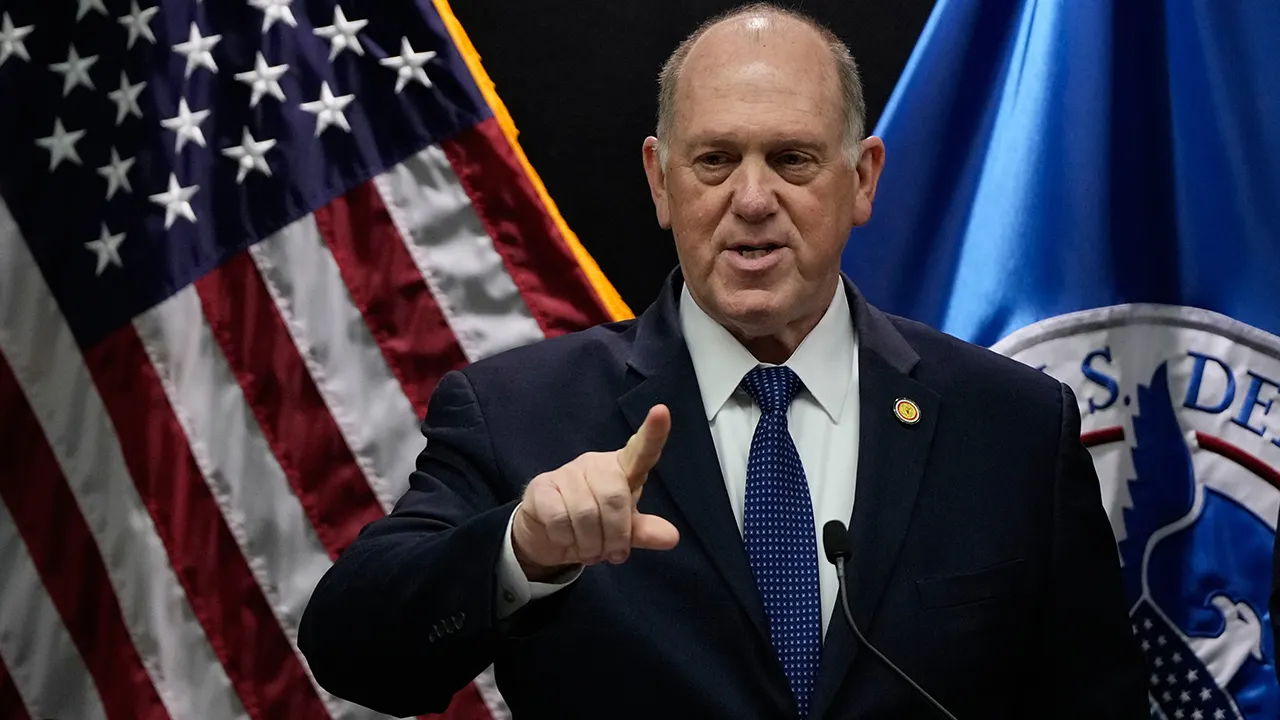
Speaking at a press conference in Minneapolis on Wednesday morning, Homan announced that approximately 700 federal agents would be leaving the region. “We’re now able to reduce our presence due to unprecedented cooperation from local law enforcement,” Homan stated, adding that the administration’s ultimate objective is a “complete drawdown” of federal personnel from the area.
The federal deployment to Minnesota came amid the Biden administration’s targeted immigration enforcement operations across several states. Minnesota, particularly the Minneapolis-St. Paul metropolitan area, had been one of the focal points for Immigration and Customs Enforcement (ICE) activities in recent months.
The significant federal presence in Minnesota had generated both support and controversy among local communities and officials. Some local leaders had expressed concerns about the impact of heightened immigration enforcement on community trust, while others welcomed the additional resources to address immigration violations.
Law enforcement collaborations between federal agencies and local police departments have often been complicated in areas with sanctuary or welcoming city policies. These policies typically limit local cooperation with federal immigration authorities. Homan’s reference to “unprecedented cooperation” suggests a potential shift in these dynamics within Minnesota.
This announcement marks a notable development in the administration’s approach to immigration enforcement. Since his appointment as border czar earlier this year, Homan has overseen a more aggressive stance on interior immigration enforcement compared to earlier in President Biden’s term.
Immigration policy experts note that such deployments and subsequent drawdowns typically reflect shifting priorities in enforcement strategies rather than permanent changes in overall approach. The reduction in federal presence may indicate that specific enforcement objectives have been met or that resources are being redirected to other priority regions.
The Minneapolis-St. Paul area hosts diverse immigrant communities, including significant populations from East Africa, Latin America, and Southeast Asia. Immigration enforcement operations in such regions often draw particular scrutiny from advocacy groups concerned about community impacts.
Homeland Security officials have not yet provided specific metrics regarding the results of the Minnesota operations, including the number of arrests or removals conducted during the federal deployment. Such data typically becomes available in subsequent agency reports.
The drawdown announcement comes as the administration faces ongoing pressure from both sides of the immigration debate. Immigration restrictionists have pushed for more aggressive enforcement nationwide, while immigrant advocates have criticized what they view as harsh enforcement tactics that can separate families and disrupt communities.
Minnesota state officials have not yet issued formal statements responding to the announced federal withdrawal. Local reactions are likely to vary significantly between different community stakeholders, reflecting the politically divisive nature of immigration enforcement.
Homeland Security officials are expected to provide additional details about the operational outcomes and future enforcement plans in the coming days. The transition plan for reducing federal presence while maintaining enforcement priorities will be closely watched by both immigration advocates and critics.
Border security and immigration enforcement remain among the most contentious political issues nationwide heading into the 2024 election cycle, with federal deployment strategies and their local impacts frequently becoming flashpoints in the broader immigration debate.
Fact Checker
Verify the accuracy of this article using The Disinformation Commission analysis and real-time sources.

10 Comments
Interesting move by the Homeland Security Secretary. Reducing federal presence while praising local police cooperation could be a sign of shifting priorities or improved coordination. I wonder how this will impact immigration enforcement in the region going forward.
Yes, this seems to be a strategic decision to rely more on local authorities for immigration operations. It will be important to monitor how this plays out in terms of community trust and the overall effectiveness of enforcement efforts.
The drawdown of federal agents from Minnesota is a noteworthy development. It suggests that local law enforcement has stepped up to handle immigration-related matters, which could impact the dynamics between federal and state/municipal authorities on this sensitive issue.
This move could be seen as a concession to local concerns about the federal presence, but it remains to be seen whether it will improve community relations or lead to other challenges.
This is an interesting development in the ongoing immigration enforcement efforts. Relying more on local authorities could help build community trust, but it also raises questions about consistency and oversight. It will be important to see how this plays out in practice.
You make a good point. Consistency and oversight will be critical as the responsibilities shift more to local law enforcement. The balance between community relations and effective enforcement will be a delicate one to strike.
The decision to reduce the federal footprint in Minnesota while praising local police cooperation is intriguing. It suggests a move towards more decentralized immigration enforcement, which could have both benefits and drawbacks depending on how it’s implemented.
Agreed. This shift in approach bears close monitoring to see if it leads to improved outcomes or creates new issues that need to be addressed.
The reduction in federal presence in Minnesota is an interesting shift. While cooperation with local police is important, I hope this doesn’t come at the expense of effective immigration enforcement or community trust. It will be worth watching how this plays out.
You raise a good point. Balancing community relations and effective enforcement is a delicate challenge. The success of this approach will depend on how well the transition is managed and the outcomes it produces.