


Listen to the article
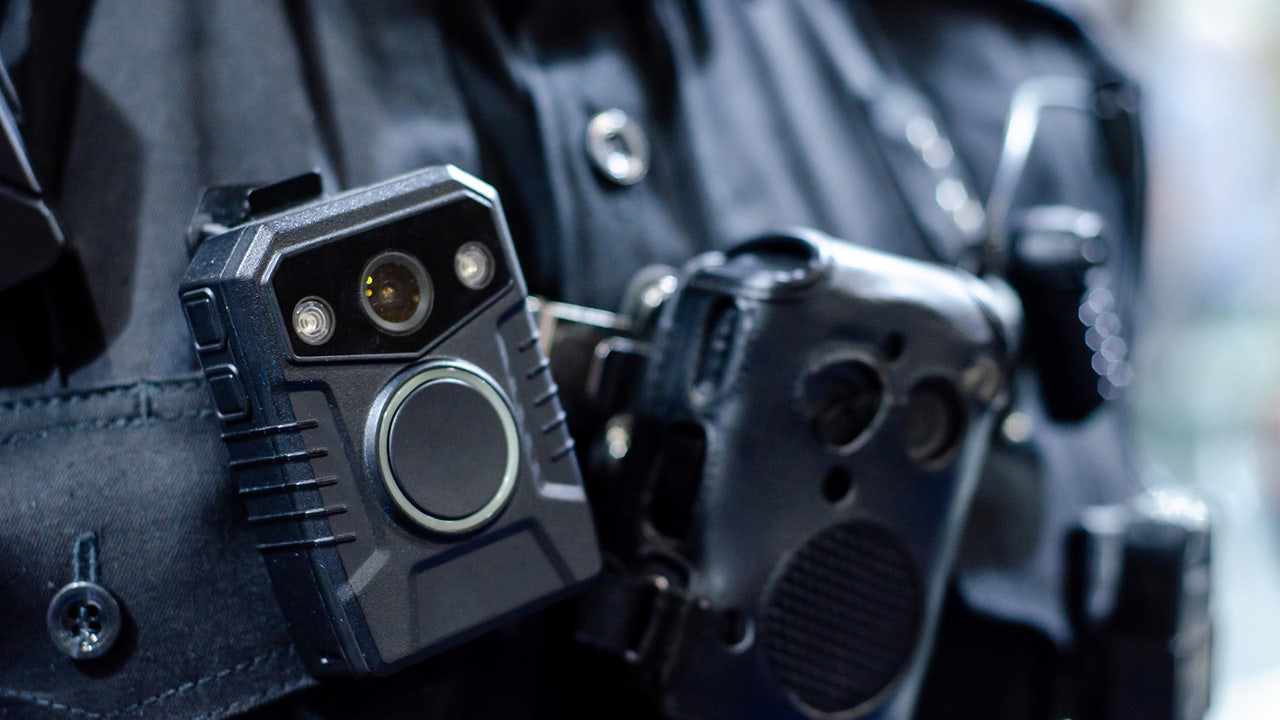
Department of Homeland Security Secretary Kristi Noem announced Monday that DHS will immediately equip all federal officers operating in Minneapolis with body cameras, with plans to expand the program nationwide as funding becomes available.
The initiative comes amid heightened scrutiny of federal immigration enforcement operations in Minneapolis following two recent fatal shootings that highlighted inconsistent body camera policies across federal agencies.
“Effective immediately, we are deploying body cameras to every officer in the field in Minneapolis,” Noem stated in a post on social media platform X after consulting with Immigration and Customs Enforcement (ICE) Director Tom Homan and the Customs and Border Protection (CBP) Commissioner. “As funding is available, the body camera program will be expanded nationwide.”
President Donald Trump expressed support for the decision while noting it was Noem’s initiative. Speaking to reporters at the White House, Trump stated that body cameras are “generally” beneficial for law enforcement because they document encounters and can protect officers from false claims.
“They’re 80% good for law enforcement,” Trump said, indicating he was comfortable with the rollout under Noem’s direction.
The policy shift comes at a critical moment following two high-profile shootings in Minneapolis involving federal immigration officers. In one incident, CBP officers wearing body cameras fatally shot Alex Pretti. In a separate case, an ICE agent who was not equipped with a body camera killed 37-year-old Renee Good during a federal operation in south Minneapolis earlier this year.
These incidents have highlighted troubling inconsistencies in the deployment of recording devices across federal immigration enforcement operations. While ICE has been gradually implementing body-worn cameras nationwide, including during some high-profile arrests, the team involved in the operation that resulted in Good’s death did not have the devices, according to sources familiar with the situation.
Law enforcement accountability experts have long advocated for universal body camera usage among federal officers. The technology serves multiple purposes: creating a visual record of encounters between officers and civilians, potentially deterring misconduct, and providing evidence when allegations of improper conduct arise.
Many local police departments across the United States have already adopted body camera programs, but federal agencies have been slower to implement them comprehensively. The disparate policies across DHS agencies have created accountability gaps that this new initiative aims to address.
The Minneapolis metropolitan area has been the focus of intense immigration enforcement efforts under the Trump administration. Immigration officials have conducted multiple operations targeting individuals they say are in the country illegally, particularly those with criminal records.
Noem’s announcement represents a significant shift toward standardizing accountability measures across federal law enforcement agencies. She characterized the move as part of making the current administration “the most transparent administration in American history,” concluding her announcement with the Trump campaign slogan “Make America Safe Again.”
The nationwide expansion timeline remains unclear, as Noem indicated it would depend on available funding. The total cost of equipping all DHS law enforcement personnel with body cameras, along with the necessary data storage infrastructure, could run into the tens of millions of dollars.
Civil liberties organizations have generally supported expanded use of body cameras while emphasizing the need for clear policies regarding when cameras must be activated, how long footage is stored, and who can access recorded material.
Fact Checker
Verify the accuracy of this article using The Disinformation Commission analysis and real-time sources.

10 Comments
Expanding body camera use across federal law enforcement agencies could be a positive step, but the success will depend on the specific policies and procedures put in place. Thoughtful implementation will be critical.
Exactly. Effective body camera programs require careful consideration of privacy, data management, training, and accountability measures.
I’m curious to see how this body camera initiative will be rolled out and what the expected impact will be on public trust and officer conduct. Transparency is important, but the details around usage and data management will be key.
Good point. There will likely need to be clear guidelines and training to ensure the body cameras are used properly and the footage is handled appropriately.
Body cameras have the potential to enhance transparency and accountability, but past experiences have shown that the details matter. I hope this new initiative learns from previous lessons and gets the implementation right.
While body cameras can be a useful tool, I hope this move isn’t just a knee-jerk reaction to recent events. Thorough planning and stakeholder input will be needed to make the program effective and address potential issues upfront.
Requiring federal officers to wear body cameras in Minneapolis is an interesting development. It will be worth monitoring how this policy change impacts policing and public perceptions in the city.
Good point. Evaluating the real-world effects, both positive and negative, will be crucial to understanding the impacts of this body camera program.
This seems like a reasonable step to increase transparency and accountability for federal law enforcement operations. Body cameras can provide important evidence and documentation, but they need clear policies around their use and data storage.
Agreed. Proper implementation and oversight will be crucial to ensure the body camera program is effective and doesn’t raise privacy concerns.