


Listen to the article
Federal Judge Strikes Down Trump-Era Migrant Detention Powers in California
A federal judge in California has overturned a lower court ruling that had supported broad detention powers of migrants implemented by the Trump administration, potentially blocking mass deportations and guaranteeing bond hearings for many non-criminal detainees.
Judge Sunshine Sykes, appointed to the bench by President Biden, rejected the government’s characterization that it was targeting the “worst of the worst” criminal immigrants for deportation, calling the description “inaccurate” and misleading.
“‘Worst of the worst’ is an inaccurate description of most of those affected by DHS and ICE’s operations,” Sykes wrote in her ruling. “Perhaps in utilizing this extreme language DHS seeks to justify the magnitude and scope of its operations against non-criminal noncitizens.”
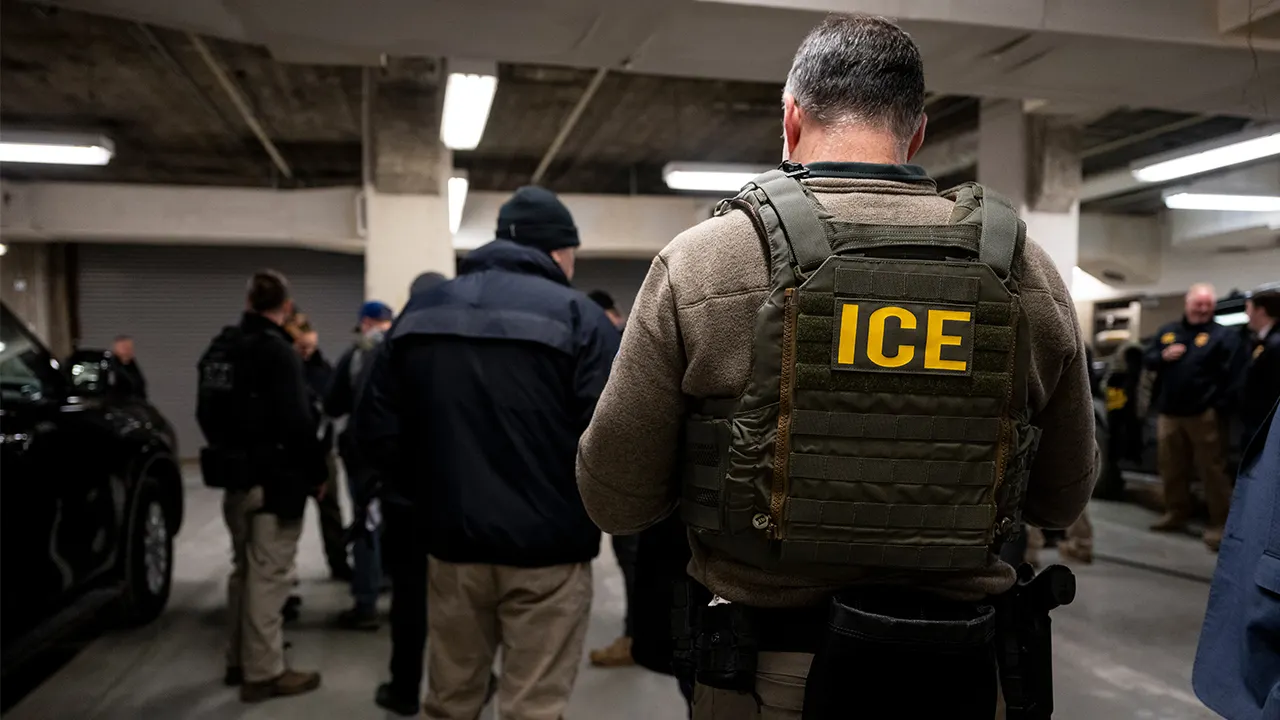
The ruling represents a significant setback to the Trump administration’s immigration enforcement strategy, which had been particularly focused on California. In June, the administration launched a targeted mass detention policy in the Los Angeles area, ostensibly to arrest immigrants with criminal records.
Under the Department of Homeland Security’s current policy, authorities have been allowed to deny bond hearings to migrants arrested by federal immigration authorities, even those who had been living in the United States for years. Recent arrivals have traditionally not been guaranteed an immediate bond hearing, but the Trump administration had expanded this practice more broadly.
Several detained individuals filed lawsuits, arguing they had been unlawfully denied bond hearings. Judge Sykes determined that the administration’s policies were overly broad in their application and enforcement.
“Americans have expressed deep concerns over unlawful, wanton acts by the executive branch,” Sykes stated in her ruling. “It is not the ‘worst of the worst’ that are swept into the nationwide and reckless violations of the law by the executive branch. In the past weeks, the Government detained Adrian Conejo Arias and his five-year-old son without a valid warrant.”
The judge also referenced more serious allegations, noting: “Beyond its terror against noncitizens, the executive branch has extended its violence on its own citizens, killing two American citizens—Renée Good and Alex Pretti—in Minnesota. The threats posed by the executive branch cannot be viewed in isolation.”
This ruling stands in stark contrast to a decision made just last week by a federal appeals court based in New Orleans, which ruled in favor of the administration, concluding that the current DHS detention and bond policy was legal. The conflicting rulings highlight the ongoing legal battles surrounding immigration enforcement policies.
Immigration policy experts note that these judicial conflicts reflect the broader polarization around immigration enforcement in the United States. The competing court decisions create uncertainty for both immigration officials and migrants in detention facilities across the country.
The Department of Justice has not yet commented on Judge Sykes’ ruling but is expected to appeal the decision. Analysts anticipate the government will request that current detention policies be allowed to continue temporarily while the issue makes its way through higher courts.
Immigration advocates have praised the ruling as a necessary check on executive power, while those supporting stricter enforcement have criticized it as judicial overreach that undermines national security efforts.
The case underscores the complex interplay between the judicial system and executive immigration policies, particularly during a time of transition between administrations with significantly different approaches to immigration enforcement.
Fact Checker
Verify the accuracy of this article using The Disinformation Commission analysis and real-time sources.

9 Comments
This is an interesting ruling that could have significant implications for immigration detention policies. I’m curious to see how it impacts the implementation of these policies going forward.
Yes, the judge’s critique of the “worst of the worst” characterization is telling. It suggests the administration may have been overstating the criminal threat to justify broad detention powers.
This ruling could mark a shift away from the Trump administration’s hardline immigration enforcement tactics. It will be interesting to see how the Biden administration responds and whether they pursue a different approach.
Yes, the Biden administration will likely need to recalibrate its immigration policies in light of this decision. Restoring a more balanced and humane approach could be a priority.
The judge’s rejection of the government’s rationale for mass detention is a welcome development. Detaining non-criminal migrants en masse seems like a concerning overreach of executive authority.
Agreed. Ensuring due process and access to bond hearings for non-criminal detainees is an important safeguard against abuse of detention powers.
I’m glad to see the courts stepping in to check executive overreach on immigration detention. Upholding due process and limiting the scope of mass deportations is crucial.
Absolutely. Ensuring that detention policies are grounded in legitimate public safety concerns, not just political objectives, is an important check on government power.
This ruling highlights the need for a comprehensive review of immigration enforcement practices to ensure they align with constitutional and humanitarian principles. Focusing on the “worst of the worst” is a poor justification for sweeping detention policies.