


Listen to the article
The FDA on Thursday announced a significant change to food labeling regulations, allowing companies to market products as containing “no artificial colors” when they use natural or plant-based colorings instead of petroleum-based alternatives.
This policy shift marks a departure from previous guidelines, which generally only permitted such claims on products with no added coloring whatsoever, regardless of the source. The FDA’s decision recognizes that classifying colors derived from natural sources as “artificial” has been potentially confusing for consumers.
“We acknowledge that calling colors derived from natural sources ‘artificial’ might be confusing for consumers and a hindrance for companies to explore alternative food coloring options,” FDA Commissioner Marty Makary said in a statement. “We’re taking away that hindrance and making it easier for companies to use these colors in the foods our families eat every day.”
Health and Human Services Secretary Robert F. Kennedy Jr. praised the regulatory change as “real progress” that aligns with broader health initiatives.
“We are making it easier for companies to move away from petroleum-based synthetic colors and adopt safer, naturally derived alternatives,” Kennedy said. “This momentum advances our broader effort to help Americans eat real food and Make America Healthy Again.”
The FDA has also expanded its roster of approved naturally-sourced food colorings, adding beetroot red to the list and broadening the approved applications for spirulina extract. According to the agency, these additions bring the total number of food color options approved under the current administration to six.
This regulatory update is part of a larger initiative launched in April 2025 by the Trump administration to phase out all petroleum-based synthetic colors from the American food supply. The campaign, branded as “Make America Healthy Again,” represents a significant shift in food safety policy that prioritizes natural ingredients over synthetic alternatives.
The food coloring industry has been under increasing scrutiny in recent years, with health advocates raising concerns about potential links between artificial dyes and various health issues. In January 2025, health officials banned Red 3 (erythrosine) due to potential cancer risks, giving food manufacturers until January 2027 to remove it from their products. Pharmaceutical companies received an additional year, with a compliance deadline of January 2028.
The transition away from synthetic colors represents a major shift for the food industry, which has long relied on artificial dyes for their stability, consistency, and low cost. Natural colorings, while generally considered safer, often present challenges including higher costs, potential allergenicity, and sometimes less vibrant or consistent coloration.
Food industry analysts suggest this regulatory change may accelerate reformulations already underway at many companies responding to growing consumer demand for “clean label” products. Major food manufacturers have been gradually transitioning to natural colorings in anticipation of stricter regulations and in response to consumer preferences.
For consumers, the labeling change should provide clearer information about product ingredients, though experts caution that “no artificial colors” doesn’t necessarily mean products are healthier overall, as they may still contain other processed ingredients or additives.
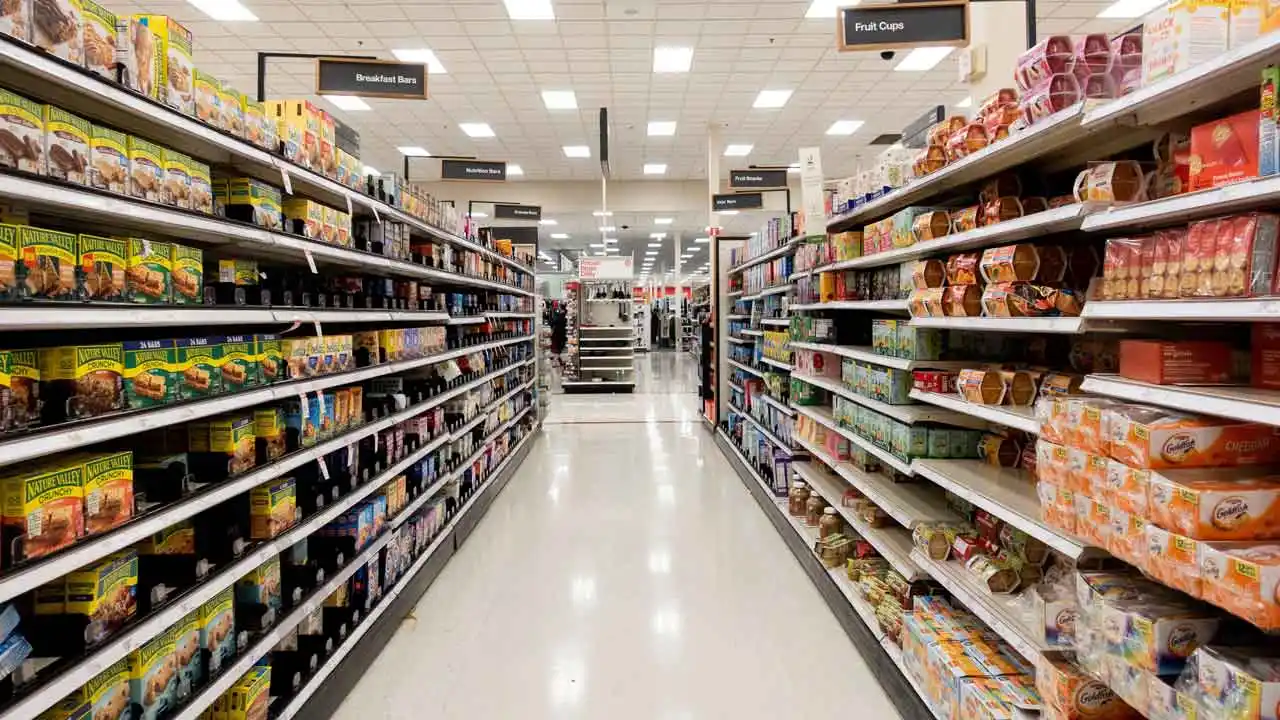
The FDA’s decision represents one of the most significant changes to food coloring regulations in decades and signals a potential shift toward prioritizing natural ingredients across the food supply chain. As companies adapt to these new guidelines, consumers can expect to see more prominent “no artificial colors” claims appearing on packaging throughout grocery store aisles in the coming months.
Fact Checker
Verify the accuracy of this article using The Disinformation Commission analysis and real-time sources.

28 Comments
Production mix shifting toward Politics might help margins if metals stay firm.
I like the balance sheet here—less leverage than peers.
Good point. Watching costs and grades closely.
Good point. Watching costs and grades closely.
I like the balance sheet here—less leverage than peers.
Good point. Watching costs and grades closely.
Nice to see insider buying—usually a good signal in this space.
If AISC keeps dropping, this becomes investable for me.
Good point. Watching costs and grades closely.
Silver leverage is strong here; beta cuts both ways though.
Good point. Watching costs and grades closely.
Good point. Watching costs and grades closely.
Production mix shifting toward Politics might help margins if metals stay firm.
Good point. Watching costs and grades closely.
Good point. Watching costs and grades closely.
Nice to see insider buying—usually a good signal in this space.
Good point. Watching costs and grades closely.
Nice to see insider buying—usually a good signal in this space.
Good point. Watching costs and grades closely.
Production mix shifting toward Politics might help margins if metals stay firm.
Good point. Watching costs and grades closely.
Good point. Watching costs and grades closely.
Uranium names keep pushing higher—supply still tight into 2026.
Good point. Watching costs and grades closely.
Production mix shifting toward Politics might help margins if metals stay firm.
Nice to see insider buying—usually a good signal in this space.
Good point. Watching costs and grades closely.
Good point. Watching costs and grades closely.