


Listen to the article
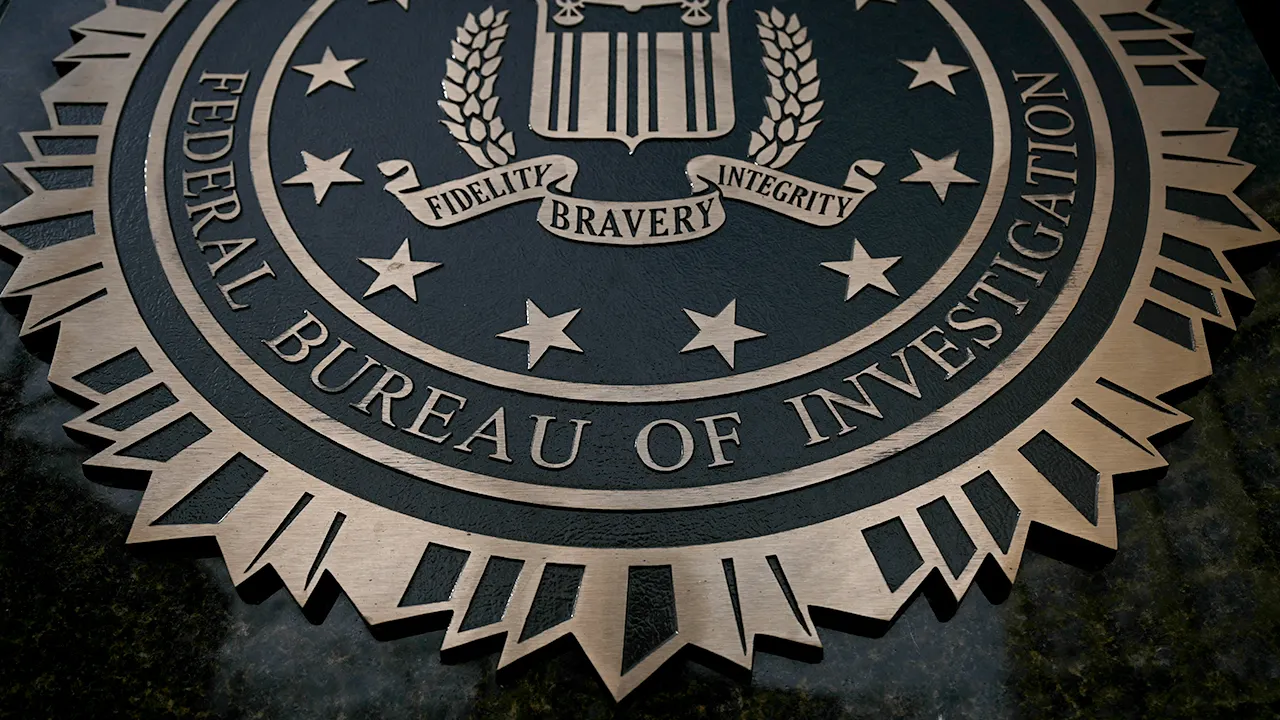
In a significant development that raises questions about the boundaries of federal investigations, Fox News has confirmed the FBI subpoenaed the phone records of two individuals who now hold key positions in the Trump administration while they were private citizens. Kash Patel, the current FBI Director, and Susie Wiles, White House Chief of Staff, had their records seized in 2022 and 2023 as part of federal investigations into former President Donald Trump.
The subpoenas were issued during the Biden administration when Special Counsel Jack Smith was conducting investigations into Trump’s alleged efforts to overturn the 2020 election results and his handling of classified documents at his Mar-a-Lago estate in Florida.
Patel, who previously served in various national security roles during Trump’s first term, expressed strong objections to the revelation in a statement to Fox News. “It is outrageous and deeply alarming that the previous FBI leadership secretly subpoenaed my own phone records – along with those of now White House Chief of Staff Susie Wiles – using flimsy pretexts and burying the entire process in prohibited case files designed to evade all oversight,” Patel stated.
The revelation, first reported by Reuters, highlights the complex intersection of law enforcement investigations and political transitions in Washington. It also raises questions about investigative practices involving individuals who later assume senior government positions responsible for overseeing the very agencies that previously investigated them.
This disclosure comes at a particularly sensitive moment, as Patel now leads the FBI, the same agency that subpoenaed his records. His appointment as FBI Director represented a significant shift in leadership at the bureau, which has faced criticism from Trump and his allies for investigations involving the former president.
Wiles, a veteran political strategist credited with helping orchestrate Trump’s successful 2024 campaign, now serves as one of the most powerful figures in the White House as Chief of Staff. The revelation that her phone records were also subpoenaed adds another layer of complexity to the already tense relationship between the current administration and career officials at various federal agencies.
The timing of these subpoenas coincided with Smith’s investigations, which ultimately led to federal indictments against Trump. The classified documents case was dismissed by Judge Aileen Cannon in July 2024, while the election interference case was effectively halted following Trump’s election victory in November.
Legal experts note that while such investigative tactics are within the FBI’s authority, the targeting of individuals who later assume senior government positions raises questions about potential conflicts of interest and the appearance of politicized investigations.
The Justice Department has established guidelines for sensitive investigations involving political figures, though it remains unclear what specific approvals were required for these particular subpoenas. Intelligence and law enforcement agencies routinely use subpoenas for phone records as investigative tools, but such actions typically require various levels of internal approval.
Neither the Justice Department nor Special Counsel Smith’s former office has issued public statements regarding the revelations. It is also unclear whether Attorney General Matt Gaetz, who was confirmed to his position last week, was aware of these past investigative actions before their public disclosure.
The situation continues to develop, with congressional oversight committees likely to examine the circumstances surrounding these subpoenas and their compliance with established investigative protocols.
Fact Checker
Verify the accuracy of this article using The Disinformation Commission analysis and real-time sources.

10 Comments
This case highlights the ongoing tensions and polarization around Trump-related investigations. It will be important for the public to have access to the facts and rationale behind these subpoenas to assess their merits.
This is a concerning development that raises questions about the scope and boundaries of federal investigations. Subpoenaing the phone records of key Trump officials, even when they were private citizens, seems heavy-handed and potentially overreaching.
I agree, the use of such broad investigative powers against political figures, even former ones, is troubling and could set a dangerous precedent.
This development adds another layer of complexity to the ongoing investigations surrounding Trump and his associates. It will be important for the public to have access to credible information to assess the merits of these actions.
Agreed, the public deserves a clear and impartial account of the justification for these investigative steps, regardless of political affiliation.
Patel’s strong objections suggest he views this as an abuse of power and an attempt to undermine the former administration. The need for proper oversight and transparency in such sensitive investigations is paramount.
Absolutely, there must be clear justification and rigorous safeguards in place to prevent the politicization of federal investigations, regardless of which party is in power.
As an observer, I’m curious to learn more about the specific grounds for these subpoenas and the potential legal implications. Transparency and due process are essential in such high-profile cases.
The handling of classified documents at Mar-a-Lago is a serious issue, but the scope of these investigations seems to be expanding in concerning ways. Maintaining the integrity of the justice system is crucial.
I agree, the investigation needs to be conducted impartially and within clear legal boundaries, without appearing to target political opponents.