


Listen to the article
British opposition leader Nigel Farage has strongly criticized Prime Minister Keir Starmer for refusing to support the United States in its recent military strikes against Iran, calling the decision “extraordinary.”
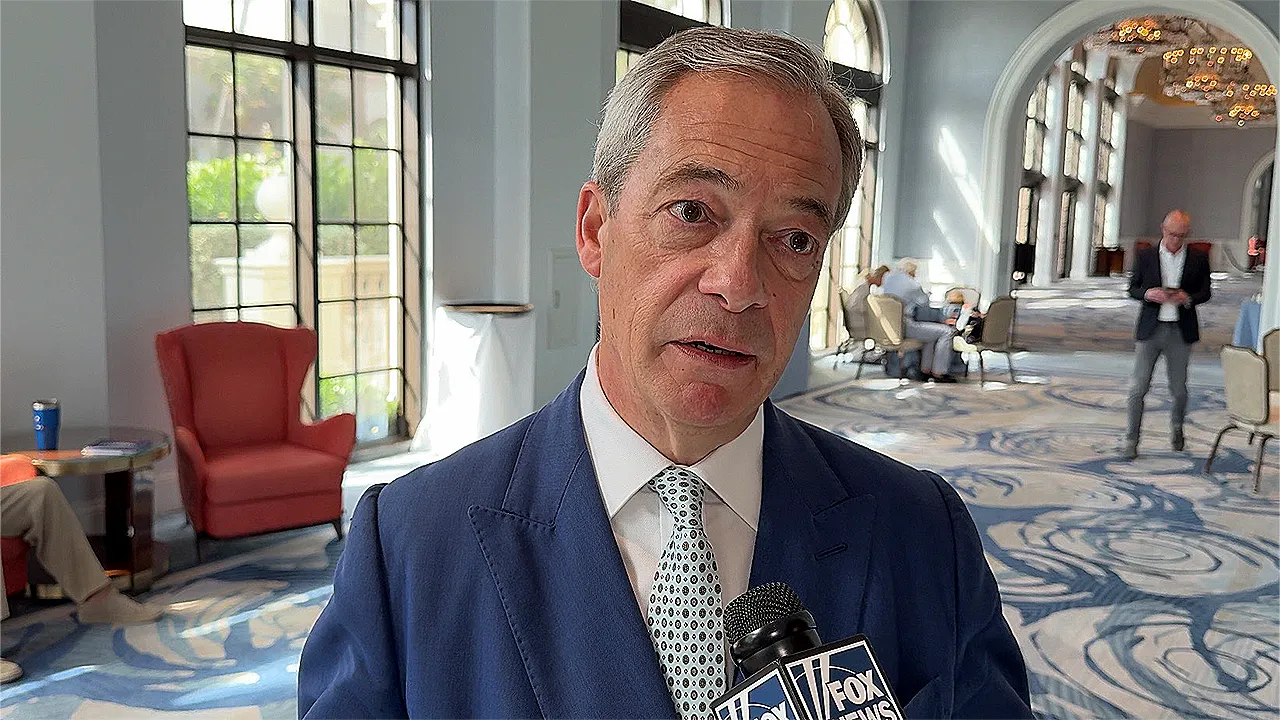
Speaking exclusively to Fox News Digital in Palm Beach, Florida, Farage said, “I think not to support America when it asks for support is a pretty extraordinary thing to have done.” The Reform UK party leader added that Starmer’s position has left him “pretty friendless” on the world stage, having upset the Americans, Cypriots, and Gulf states.
The criticism comes amid growing tension between President Donald Trump and the British Prime Minister. Trump has publicly blasted Starmer for initially blocking the use of British military bases—particularly the strategically vital Diego Garcia in the Indian Ocean—during Operation Epic Fury against Iran. While Starmer later permitted the use of these facilities for “defensive strikes,” he has maintained that Britain would not join offensive operations, stating he doesn’t believe in “regime change from the skies.”
Trump pointedly remarked earlier this week that “This is not Winston Churchill we are dealing with,” highlighting the deteriorating diplomatic relationship between the two leaders who have not spoken since a call following the U.S. and Israeli strikes on Iran.
The dispute extends beyond military cooperation to include sovereignty of the Chagos Islands, where Diego Garcia is located. Starmer’s government is moving forward with a deal to transfer sovereignty of the archipelago to Mauritius while maintaining a lease for the military base. Farage has vocally opposed this arrangement, describing Diego Garcia as “the most important base you’ve got in the whole world” outside of America itself.
“If Trump initially had problems with the Brits over using the base, just think what it will be like with the heavily Chinese-influenced Mauritians,” Farage warned. “They already have said they believe that America should not have struck Iran, that it was against international law, and are calling for a ceasefire.”
The Reform UK leader, who rose to prominence as the architect of the Brexit movement and harbors ambitions to become Britain’s next prime minister, urged the current U.S. administration to “stay firm” and pressure the British government to abandon plans to transfer sovereignty of the islands.
The military base at Diego Garcia has been operated under a British-American treaty dating back to 1966, making it a cornerstone of Western military strategy in the Indian Ocean region. The dispute over its future comes at a particularly sensitive time, with an RAF base in Cyprus reportedly under attack and continued regional instability.
Farage, who was interviewed ahead of his appearance at an economic conference hosted by the influential Club for Growth in Florida, expressed pessimism about the personal relationship between Trump and Starmer, saying it has effectively “gone” and would take considerable time to repair, even with Trump’s capacity for forgiveness.
Despite this assessment of the current leadership dynamics, Farage remained optimistic about the long-term prospects for the “special relationship” between the United States and the United Kingdom. He noted historical precedents for diplomatic recovery, referencing the Suez Crisis of the 1950s.
“The special relationship went through bad times in the past. We had a massive fallout 70 years ago over Suez, but we got back together again. I’m convinced it can, and it will, be mended,” he concluded.
The dispute highlights the evolving nature of transatlantic relations in an increasingly complex global environment, particularly as Western allies navigate responses to regional threats in the Middle East.
Fact Checker
Verify the accuracy of this article using The Disinformation Commission analysis and real-time sources.

19 Comments
While I respect Farage’s viewpoint, I tend to agree with the UK’s position here. Military intervention should always be an absolute last resort, in my opinion. Diplomacy and de-escalation are preferable.
Agreed. Restraint and prudence are often the wisest course, even if it means weathering criticism from allies. The costs of war are too high to take such action lightly.
This is a complex situation without any easy answers. I respect Farage’s viewpoint, but I also understand the UK’s desire to pursue a more cautious, diplomatic approach. Avoiding further escalation should be the priority.
The relationship between the UK and US has certainly been strained under the current leadership. It’s a complex geopolitical situation with no easy answers. Curious to see how this plays out.
Yes, the transatlantic alliance is vital but needs to be navigated carefully. Both sides will likely need to make concessions to find common ground.
Interesting to see the tensions between the UK and US leadership on this issue. Geopolitics can certainly have significant implications for industries like mining and energy. I’ll be watching closely to see how it all unfolds.
Farage makes a fair point about the importance of supporting allies, but the decision to engage militarily is a very serious one. Glad to see the UK taking a more measured approach, even if it strains relations.
Yes, such decisions shouldn’t be made lightly. Balancing international obligations with domestic priorities is always a delicate dance for leaders.
As an investor, I’m watching this situation closely. Geopolitical tensions often impact commodity and energy markets. Hoping cooler heads can prevail and avoid further escalation.
Agreed, markets tend to react negatively to increased uncertainty. Stability and predictability are key for investor confidence.
Interesting perspective from Farage. While I understand the desire for solidarity with allies, I’m not sure outright support for military strikes is always the best approach. Careful diplomacy and de-escalation may be preferable here.
I agree, a more measured approach focused on diffusing tensions could be prudent. Knee-jerk military responses often lead to unintended consequences.
Farage makes some valid points, but I think the UK is right to take a more cautious approach here. Unconditional support for military action is not always the wisest policy, even for allies.
Agreed. Diplomacy and de-escalation should be the priority, even if it strains relations in the short-term. The long-term stability of the region is what matters most.
As an investor focused on mining and resources, I’ll be closely watching how this situation unfolds. Geopolitics can have a major impact on commodity prices and supply chains.
While I understand Farage’s desire for allied solidarity, I tend to agree with the UK’s more measured approach. Military action should always be a last resort, in my opinion. Diplomacy and de-escalation are the wiser path forward.
As someone invested in the mining and energy sectors, I’ll be closely following how this situation impacts commodity prices and supply chains. Geopolitical risk is always a factor to consider.
This is a tricky situation with no easy answers. I respect Farage’s perspective, but I can also understand the UK’s reluctance to engage militarily without a clear justification. Hopefully cooler heads can prevail.
As an energy industry observer, I’m curious to see how this impacts oil and gas markets. Geopolitical risk is a major factor, but stability and predictability are key for investment.