


Listen to the article
Minnesota’s social services system is facing one of the largest fraud scandals in U.S. history, as federal prosecutors uncover what they describe as “schemes stacked upon schemes” by Somali-run non-profits that allegedly diverted hundreds of millions of taxpayer dollars from child-nutrition and Medicaid housing programs.
The sprawling investigation has led to charges against more than 70 defendants, with prosecutors securing dozens of convictions as new waves of indictments continue. The majority of those charged are members of Minnesota’s Somali community, which numbers around 80,000 people.
According to Simon Hankinson, a senior research fellow at the Heritage Foundation’s Border Security and Immigration Center, the scandal stems from a complex interplay of declining immigrant assimilation and fear of being perceived as racist.
“Assimilation is a two-sided coin,” Hankinson explained in an interview with Fox News Digital. “The pressure comes from inside, from you wanting to assimilate so you can make it in the new society, but it also comes from outside, where the society says, ‘Hey, we expect you to do this.'”
He noted that America’s expectations for immigrant integration have diminished. “We don’t really expect anything of our immigrants,” Hankinson said, adding that many American-born citizens “really don’t like this country and what it stands for” and therefore don’t encourage others to adapt to it either.
The fraud schemes were particularly egregious in Minnesota’s Medicaid autism program, where companies allegedly recruited families, secured fraudulent diagnoses, and billed for therapy services that never occurred. This systematic exploitation drained millions from state programs designed to help vulnerable populations.
Hankinson emphasized that the fraud cannot be blamed on the entire Somali community, stressing that those involved represent a minority. However, he suggested that cultural differences played a role in the community’s vulnerability to such schemes.
“When you come from a culture that provides you with nothing from the center, everything is family, everything is clan, everything is local, then it’s almost impossible for you to understand how a federal system would work,” he explained. This cultural dynamic, combined with strong loyalty to family and clan members, made it less likely for community members to report suspicious activities.
Minnesota’s generous welfare programs and what Hankinson described as a “high trust state” environment created perfect conditions for fraud to flourish. “In Minnesota, these programs were low-hanging fruit. They were so easy to fleece, it’s almost farcical,” he said. “So, the carrot is there to commit fraud, and there’s no stick.”
The scandal has triggered state and federal investigations, congressional scrutiny, and calls for accountability. Questions remain about why warning signs were missed and how the fraud was allowed to reach such a massive scale.
Hankinson suggested that fear of being accused of racial bias may have contributed to oversight failures. “Nobody likes to be called a racist. It’s about one of the worst things you could be called,” he noted. “But I do think liberal Americans, in particular white liberal Americans, are more afraid of that label than anything else.”
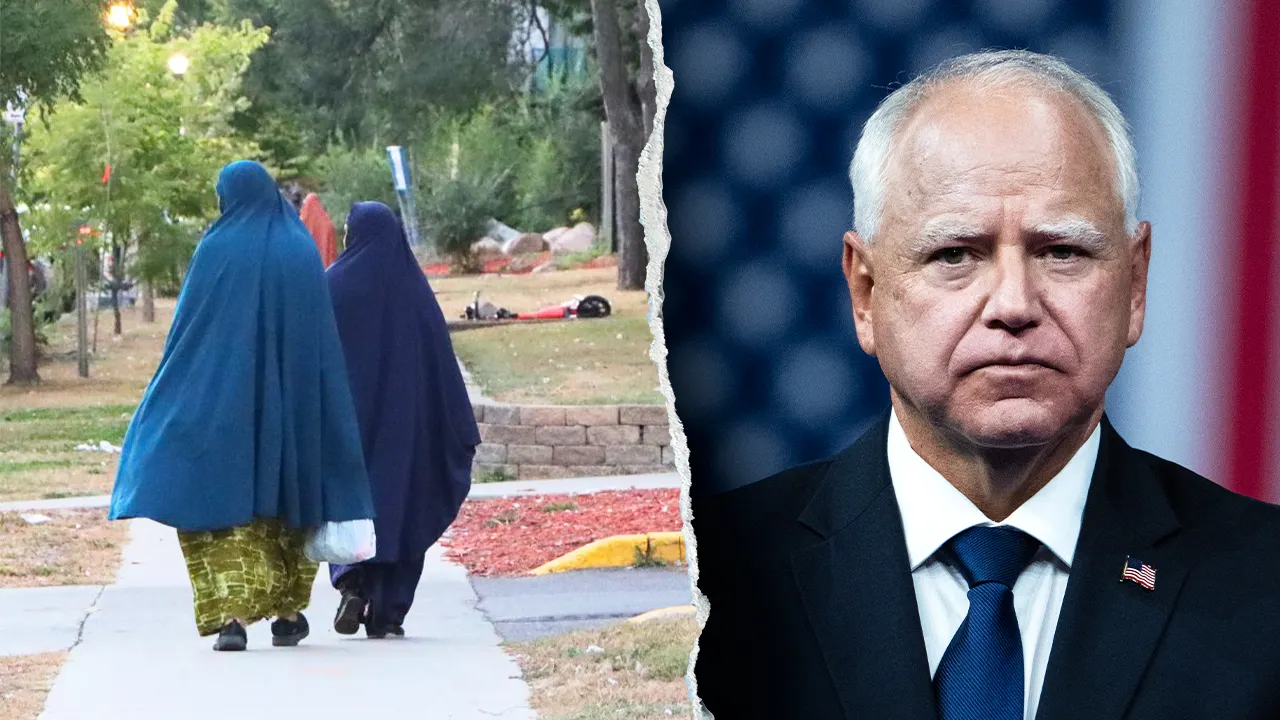
This dynamic has complicated the response on both state and national levels. Following the Trump administration’s announcement of a crackdown on illegal immigrant Somalis in Minnesota, Democratic Governor Tim Walz accused it of “demonizing an entire group of people just by their race and their ethnicity.”
Hankinson criticized Walz’s response, saying, “I can’t take Tim Walz seriously, honestly, because he was the governor who was in charge while all this was happening. Where was he? He was asleep at the switch.”
The fraud scandal has placed Minnesota’s Somali community under intense scrutiny as investigations continue. Hankinson expressed hope that many Somalis would join efforts to address the fraud issues, helping to “give their community the reputation that it deserves.”
The case highlights broader challenges in America’s social services system, including inadequate oversight mechanisms, cultural integration issues, and the complex dynamics surrounding immigration, community, and public resources.
Fact Checker
Verify the accuracy of this article using The Disinformation Commission analysis and real-time sources.

12 Comments
This is a troubling case that highlights the need for rigorous oversight of public assistance programs. While cultural dynamics are complex, fraud of this magnitude is unacceptable. Implementing stronger controls and auditing measures seems crucial to protect taxpayer funds and the integrity of vital social services.
Well said. Maintaining public trust in the social safety net is critical. Decisive action to investigate, prosecute, and prevent such large-scale abuses should be a top priority for authorities.
The scale of this alleged fraud is staggering. Protecting vital social services from abuse should be a top priority, regardless of the perpetrators’ backgrounds. Thorough investigations and robust oversight mechanisms seem essential to uphold the integrity of these critical programs.
Agreed. The public deserves to know their tax dollars are being used responsibly to support those in genuine need, not siphoned off through fraudulent schemes. Decisive action is required to restore trust and safeguard the system.
This is a complex issue where cultural dynamics and the need for accountability intersect. While integration is important, fraud on this scale is unacceptable regardless of community. Diligent oversight seems necessary to protect taxpayer funds and restore public confidence.
Well said. Balancing cultural sensitivity with fiscal responsibility is challenging, but the priority must be ensuring public assistance reaches those truly in need, not diverted through criminal schemes.
This is a troubling case of fraud and misused funds. While cultural assimilation is complex, all citizens and residents have an obligation to follow the law. Rigorous oversight and accountability are needed to prevent such large-scale abuses of the social safety net.
Agreed. Protecting taxpayer dollars must be a priority, regardless of community background. Proper integration and adhering to rules should be expected of everyone.
It’s concerning to see such a significant fraud operation targeting public assistance programs. Maintaining the integrity of these vital services is crucial. Hopefully the authorities can get to the bottom of this scandal and implement measures to prevent future abuse.
Absolutely. Public trust is eroded when programs intended to help the most vulnerable are exploited. Rigorous audits and tighter controls seem warranted to safeguard the system.
The alleged fraud uncovered in Minnesota’s social services system is deeply concerning. Protecting vulnerable citizens and safeguarding taxpayer funds must be the top priorities, regardless of the perpetrators’ backgrounds. Thorough investigations and robust oversight measures seem essential to restore integrity and public confidence.
I agree. While cultural dynamics play a role, the fundamental issue here is the large-scale misuse of public assistance programs. Decisive action to hold all responsible parties accountable and implement stronger controls is needed to prevent future abuse.