


Listen to the article
The brutal reality of the Capitol riot comes to life in a gripping new account that gives voice to those who experienced the violence firsthand on January 6, 2021. This exclusive excerpt from AP reporter Mary Clare Jalonick’s forthcoming book, “Storm at the Capitol: An Oral History of January 6th,” offers a harrowing glimpse into one of the most violent confrontations during the siege.
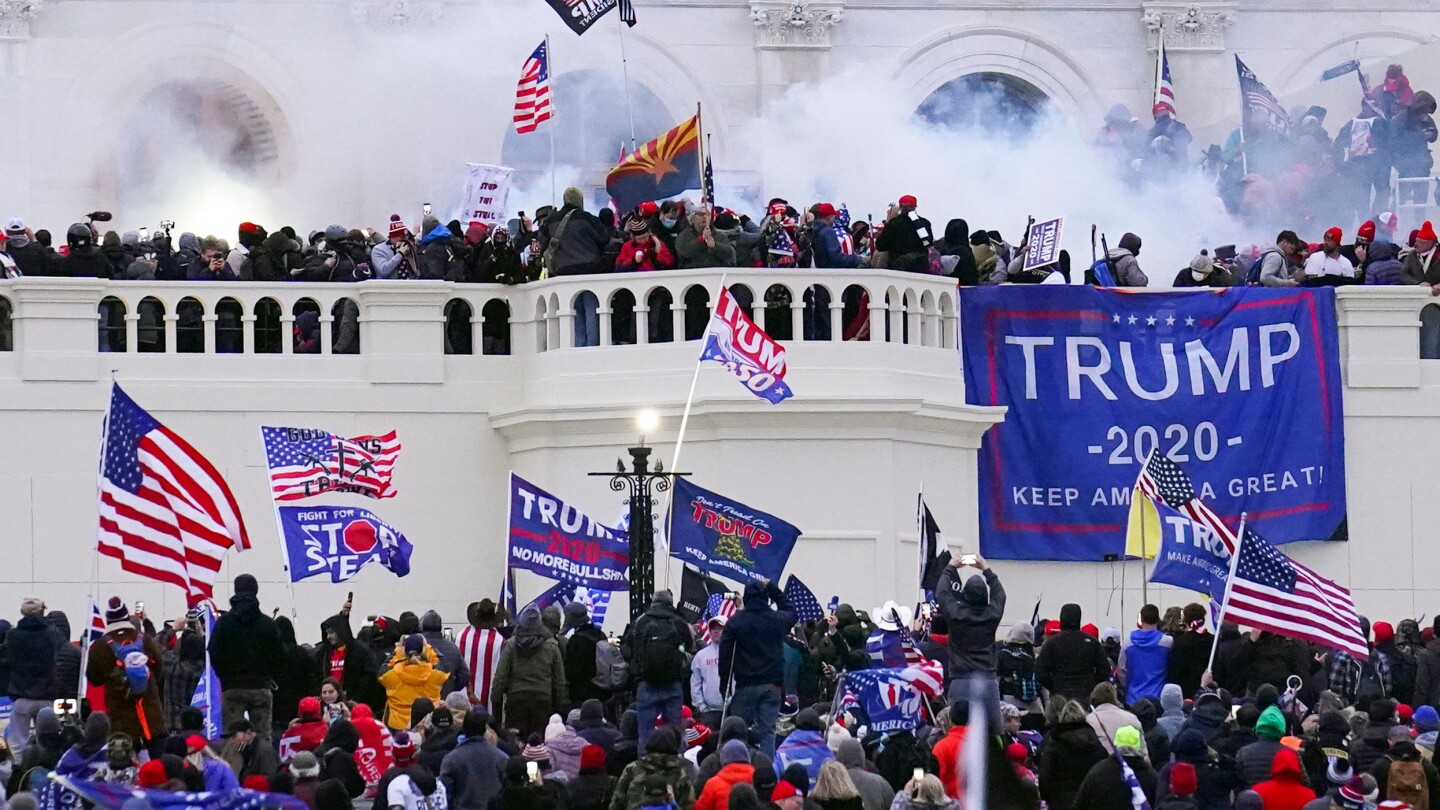
Drawing on interviews, testimony, and official records, Jalonick reconstructs the chaotic afternoon hours when rioters—fueled by then-President Donald Trump’s false election claims—breached the Capitol, forcing lawmakers to flee and halting the certification of Joe Biden’s electoral victory.
The excerpt focuses on the intense battle at the Lower West Terrace Tunnel, a narrow passageway leading to the Capitol’s central golden doors—the same route presidents traditionally take on Inauguration Day. As afternoon turned to evening, this 10-foot-wide corridor became the scene of desperate hand-to-hand combat between rioters and outnumbered police officers.
“The rioters were vicious and relentless,” recalls Capitol Police Sergeant Aquilino Gonell. “The fighting in the Lower West Terrace Tunnel was nothing short of brutal,” adds Metropolitan Police Officer Michael Fanone.
Officers describe being crushed, beaten, and assaulted with stolen police equipment and chemical sprays. Many feared they would die. Detective Phuson Nguyen recounts a terrifying moment when rioters pulled off his gas mask, directly sprayed his face, then snapped the mask back on, trapping the chemicals inside. “I was choking under the mask… I was panicking,” he remembers.
The account reveals the sophisticated tactics employed by the mob. Officer Daniel Hodges describes how rioters coordinated their efforts, shouting “Heave! Ho!” as they synchronized pushing their weight forward, crushing him against a metal door frame. Another rioter seized Hodges’ baton and used it to beat him in the head and face.
Perhaps most chilling is Officer Fanone’s experience after being dragged from the police line into the crowd. “I heard someone scream, ‘I got one!'” he recalls. Fanone describes being beaten, repeatedly shocked with a Taser, and hearing chants of “Get his gun” and “Kill him with his own gun.”
In a desperate plea, Fanone called out that he had children. “Thankfully, some in the crowd stepped in and assisted me,” he says, allowing fellow officers to eventually rescue him.
The excerpt also tells the story of Capitol Police Officer Brian Sicknick, who had texted his brother the night before predicting that “hell may break loose tomorrow.” During the riot, Sicknick was sprayed directly in the face by a rioter. Though he initially seemed to recover, Sicknick collapsed hours later after returning to a division office in the Capitol basement. He was rushed to the hospital and placed on life support.
“His body survived an additional day because his fellow officers worked so hard to keep him alive so his family could say goodbye in person on January 7,” notes Capitol Police Inspector Thomas Loyd.
The vivid firsthand accounts in Jalonick’s book provide crucial documentation of an event that continues to resonate in American politics and history. By focusing on the personal experiences of officers who defended the Capitol, the work offers insights into both the physical violence and psychological trauma experienced by those on the front lines that day.
The book comes at a time when interpretations of January 6th remain deeply polarized, with some political figures attempting to downplay the severity of the attack. Jalonick’s detailed oral history serves as a powerful reminder of the reality faced by officers who, vastly outnumbered, fought to protect the seat of American democracy.
Fact Checker
Verify the accuracy of this article using The Disinformation Commission analysis and real-time sources.

10 Comments
The intense battle at the Lower West Terrace Tunnel sounds horrific. It’s appalling that the rioters were able to overpower the outnumbered police in such a brutal manner.
I hope the officers who endured this trauma are receiving the support and resources they need to heal.
This is a chilling account of the violence that unfolded at the Capitol on January 6th. The bravery of the police officers who stood their ground against the rioters is truly admirable.
The firsthand accounts from the police officers provide a sobering and visceral perspective on the chaos and brutality of that day. It’s a stark reminder of the fragility of our democracy and the importance of defending it.
This excerpt is a powerful and important contribution to the historical record of the Capitol riot. The personal accounts of the officers involved bring the events to life in a way that statistics and timelines cannot.
While it’s disturbing to read about the rioters’ vicious actions, I’m encouraged by the officers’ bravery and resolve in the face of such overwhelming violence. Their stories deserve to be heard and honored.
I hope this book helps to shed more light on the events of January 6th and the experiences of those who were there to witness it firsthand.
The description of the fighting in the Lower West Terrace Tunnel is truly harrowing. It’s a stark reminder of the dangers our law enforcement officers face in protecting our democratic institutions.
While the details in this excerpt are deeply troubling, I’m grateful that the officers are being given a platform to share their stories. Their courage and resilience in the face of such violence is truly inspiring.
This excerpt highlights the need for a thorough investigation and accountability for the events of January 6th. It’s crucial that we understand what went wrong to prevent such a violent assault on our democratic institutions in the future.