


Listen to the article
EPA Rolls Back Mercury Emission Standards for Coal Plants, Drawing Both Praise and Criticism
EPA Administrator Lee Zeldin has announced the reversal of recent restrictions to federal mercury and air-toxics standards (MATS) for coal-fired power plants, a move drawing strong support from energy advocacy groups while raising concerns among environmental advocates.
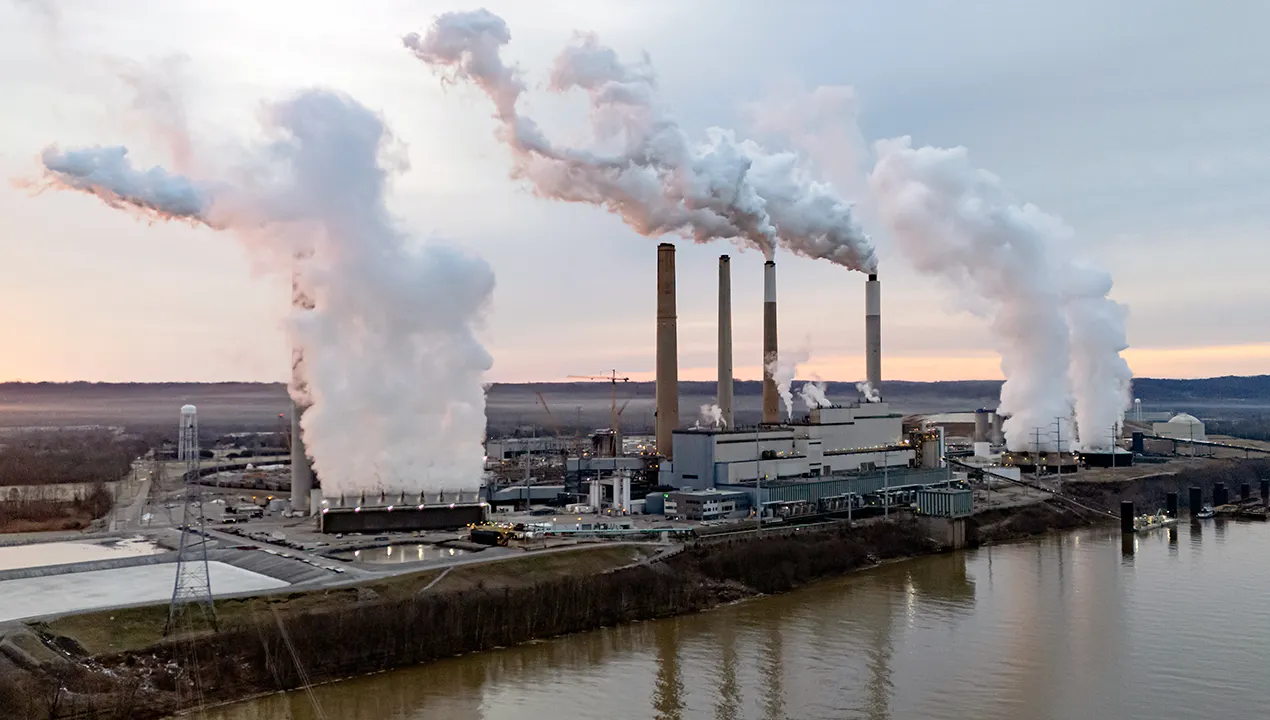
Speaking at the Mills Creek Power Plant in Kentucky, Zeldin emphasized that the rollback would maintain the “robust” existing MATS standards while supporting the coal industry’s survival. He characterized the Biden-Harris administration’s regulations as an attempt to “regulate out of existence this vital sector of our energy economy” and argued that environmental protection and supporting industrial energy production need not be mutually exclusive.
“If implemented, these actions would have destroyed reliable American energy,” Zeldin said, rejecting what he called a “binary choice” between environmental protection and supporting baseload power generation.
Power the Future, a domestic energy advocacy organization based in Virginia, celebrated the policy shift. The group’s founder, Daniel Turner, called the decision “a significant step toward revitalizing the American coal industry” that would help fuel economic recovery in struggling industrial communities throughout Appalachia and beyond.
“Since the war on coal, we have weakened our grid, driven electricity prices through the roof, outsourced major industries to Mexico and China, but most of all driven tens of thousands of Americans into ruin because of a globalist agenda,” Turner told Fox News Digital.
The social and economic impacts of coal’s decline have been devastating for many communities. Once-prosperous coal regions now suffer from high poverty rates, with Turner pointing to increased “alcoholism, opioid addiction, domestic violence, and suicide” in affected areas. Many of America’s poorest counties are located in former coal powerhouses, including McDowell and Mingo counties in West Virginia, and several Kentucky counties.
The stark transformation of these communities illustrates the economic consequences of energy policy decisions. McDowell County, West Virginia, once America’s top coal-producing county with a population of 100,000, now has only a quarter of that population, with about 25% living in poverty and a median income around $30,000.
“Restoring America’s coal dominance is good for our national security and economy, and it restores the dignity of small-town coal workers whose labor is vital to America’s survival,” Turner argued, praising President Donald Trump as the “greatest coal president in history.”
The policy change comes amid broader discussions about America’s energy future. The Trump administration has signaled strong support for revitalizing the coal sector, with the president recently directing the military to strike new deals with coal-fired power plants. The administration has also relaunched industry councils that were shuttered during the Biden administration.
However, environmental advocates have expressed serious concerns about the potential health impacts of weakening mercury emissions standards. Former EPA Administrator Gina McCarthy criticized the move, telling the Associated Press that “by weakening pollution limits and monitoring for brain-damaging mercury and other pollutants, they are actively undermining any attempt to make America — and our children — healthy.”
The debate highlights the ongoing tension between economic priorities and environmental concerns in American energy policy. While advocates like Turner emphasize coal’s economic importance and role in energy security, critics warn that loosening environmental standards could have significant public health consequences, particularly for vulnerable populations living near coal facilities.
As the policy takes effect, both sides will be watching closely to measure its impact on coal communities, energy markets, and environmental outcomes in the coming years.
Fact Checker
Verify the accuracy of this article using The Disinformation Commission analysis and real-time sources.

18 Comments
This is an important decision for the energy sector. While environmental protection is crucial, we must find a balanced approach that supports reliable baseload power generation and the coal industry. Reasonable regulations can coexist with a healthy energy economy.
I agree, the administration needs to consider all stakeholders and find solutions that don’t overly burden the coal industry while still protecting the environment.
This decision seems to be a win for the coal industry, but I’m worried about the long-term implications for the transition to cleaner energy sources. We need a comprehensive energy policy that supports both traditional and renewable sectors.
That’s a valid point. A balanced and forward-looking approach is necessary to address the complex challenges facing the energy industry.
This decision highlights the ongoing tension between economic and environmental interests. While I support efforts to bolster the coal industry, I hope the EPA will maintain robust safeguards to protect our air and water resources.
That’s a thoughtful approach. Finding the right balance between economic and environmental concerns is crucial, and the EPA will need to navigate these complex tradeoffs carefully.
While I understand the desire to support the coal industry, I have concerns about the potential rollback of important air quality protections. We need to find ways to balance these competing interests.
I share your concerns. The EPA will need to carefully weigh the tradeoffs and ensure that any changes do not compromise public health or the environment.
This decision highlights the ongoing debate between environmental regulation and economic interests. It will be interesting to see how it plays out and whether a middle ground can be found.
Absolutely. These are complex issues without easy solutions. Reasonable people can disagree, but open dialogue and compromise are key.
As an environmental advocate, I’m concerned about the potential rollback of mercury emission standards. While I understand the desire to support the coal industry, we must prioritize public health and environmental protection.
I can appreciate your perspective. The EPA will need to carefully consider the environmental impacts and ensure that any changes do not jeopardize air quality or public well-being.
As an investor in the energy sector, I’m cautiously optimistic about this move. It could provide a boost to the coal industry, but I’ll be watching closely for any unintended environmental consequences.
That’s a prudent approach. Maintaining a balanced perspective on the economic and environmental impacts will be crucial as this policy unfolds.
I’m curious to see how this move impacts the shift towards renewable energy sources. While supporting the coal industry is important, we also need to consider the long-term sustainability of our energy system.
That’s a good question. The administration will have to balance supporting traditional energy sources while also incentivizing the transition to cleaner alternatives.
The coal industry has been facing significant challenges in recent years. This rollback could provide some much-needed relief, but we’ll have to closely monitor the environmental impacts. Maintaining a diverse energy mix is important for energy security.
That’s a fair point. The EPA will need to carefully assess the tradeoffs and ensure any changes don’t undo important air quality protections.