


Listen to the article
Justice Department Appeals Dismissal of Cases Against Comey and James
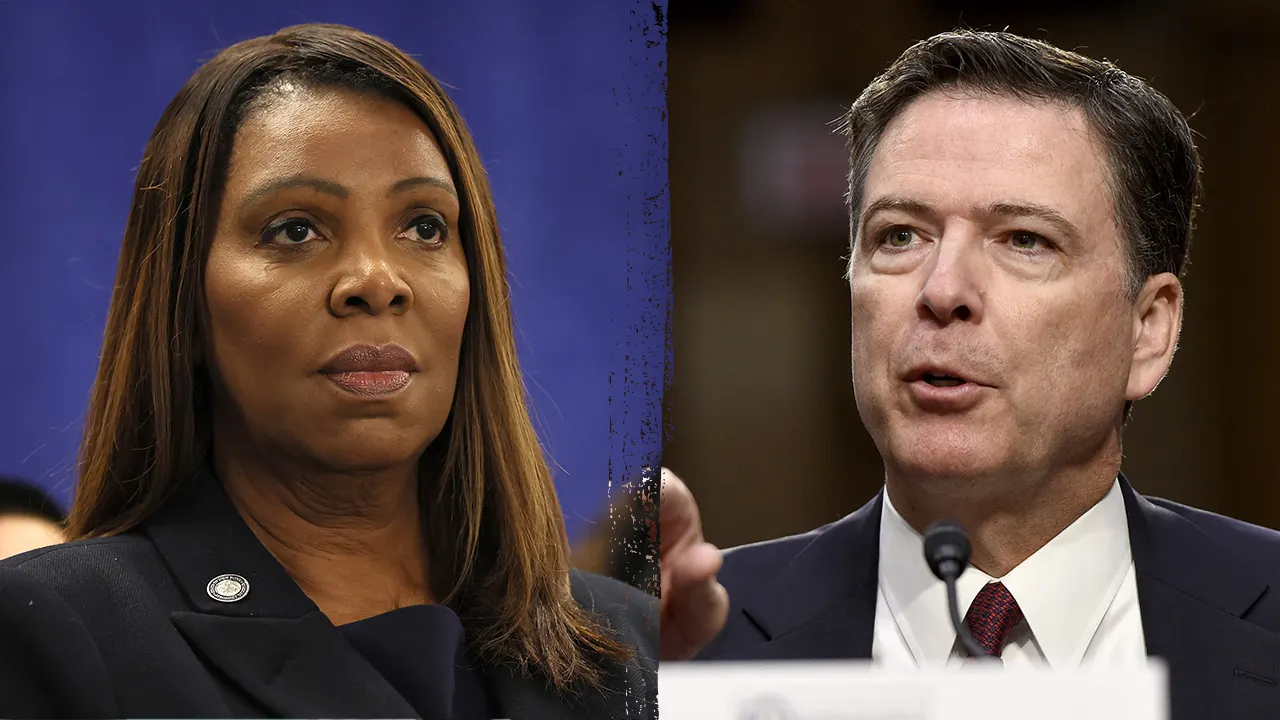
The Justice Department filed appeals Monday to revive criminal cases against former FBI Director James Comey and New York Attorney General Letitia James, despite facing significant legal and procedural challenges. The appeals were submitted to the Fourth Circuit Court of Appeals in Richmond, Virginia, challenging a November ruling that invalidated both indictments.
In its filing, the Justice Department argued, “The power to appoint an interim U.S. Attorney for the Eastern District of Virginia pursuant to 28 U.S.C. § 546 during the current vacancy lies with the district court until a U.S. Attorney is nominated by the President and confirmed by the Senate.”
U.S. District Judge Cameron Currie had dismissed both cases without prejudice after determining that former Trump lawyer Lindsey Halligan was illegally appointed as interim U.S. attorney for the Eastern District of Virginia. Since Halligan was the sole prosecutor who secured the indictments, Currie ruled them invalid.
“Ms. Halligan has been unlawfully serving in that role since September 22, 2025,” Currie stated in his opinion. “All actions flowing from Ms. Halligan’s defective appointment as a result constitute unlawful exercises of executive power and must be set aside.”
Following the dismissals, Attorney General Pam Bondi immediately vowed to appeal the decision. FBI Director Kash Patel indicated that the FBI and Justice Department were exploring additional options to pursue charges against Comey.
The case against James involves two counts of bank fraud and making false statements to a financial institution during her 2020 purchase of a home in Norfolk, Virginia. Comey faces charges of making false statements to Congress and obstruction related to his September 2020 testimony.
Despite Currie dismissing the cases “without prejudice”—which typically allows prosecutors to refile charges—subsequent attempts to secure new indictments have been unsuccessful. Federal prosecutors twice failed to convince grand juries in Norfolk and Alexandria to indict James.
Comey’s case faces additional complications. A separate judge ordered prosecutors to erase certain evidence, including emails and data central to the Justice Department’s case. Further complicating matters are statute of limitations concerns, as both charges against Comey carried five-year limits that expired on September 30—just three days after Bondi installed Halligan in the U.S. Attorney’s Office.
The Trump administration argues that under federal law, the judge’s dismissal order should “reset the clock” on the statute of limitations. If the Fourth Circuit dismisses the case, the administration would have a 60-day window to re-indict Comey.
The appeals represent the latest development in politically charged cases that have drawn national attention. The Justice Department’s persistence in pursuing these cases highlights the ongoing legal battles between the Trump administration and high-profile figures associated with previous administrations or perceived political opponents.
Legal experts note that the procedural issues surrounding Halligan’s appointment could create a significant hurdle for prosecutors, regardless of the merits of the underlying charges. The Fourth Circuit will now need to determine whether the appointment was indeed improper and, if so, what remedies are appropriate.
The cases against both Comey and James come amid increased scrutiny of the Justice Department’s independence and accusations of politicized prosecutions. Critics argue these cases represent political retaliation, while supporters maintain they address legitimate concerns about conduct by former officials.
Fact Checker
Verify the accuracy of this article using The Disinformation Commission analysis and real-time sources.

10 Comments
The DOJ’s decision to appeal the dismissal of these cases against high-profile former officials demonstrates their determination to pursue accountability, even in the face of significant legal hurdles. The appeals court will have a lot to consider in this complex case.
While the DOJ may face an uphill battle, their decision to appeal shows they believe they have a valid legal argument. The appeals court will need to thoroughly examine the issues around the interim US attorney appointment and its implications.
This is a complex case that touches on important questions of executive power, prosecutorial independence, and the checks and balances between the branches of government. The appeals court’s ruling could set an important precedent.
This case highlights the complexities around presidential appointments and the balance of power between the executive and judicial branches. The DOJ is clearly determined to pursue these charges despite the initial dismissal.
While the DOJ’s appeal may be a long shot, it demonstrates their commitment to holding Comey and James accountable. However, the initial ruling raised valid concerns about the appointment process that the appeals court will need to carefully consider.
Interesting development in this long-running legal saga. While the DOJ may face an uphill battle, it will be worth watching how the appeals court views the legality of the interim US attorney appointment and its impact on the indictments.
This is certainly a high-stakes legal battle with broader political and constitutional implications. It will be fascinating to see how the appeals court navigates the complexities of this case and the precedent it could set.
This is certainly an intriguing development in the ongoing legal battles between the DOJ and former FBI/government officials. The outcome could have broader implications for executive branch authority and oversight.
Given the high-profile nature of the individuals involved, I suspect there will be significant public and media interest in how this appeal plays out. The legal arguments on both sides will be closely scrutinized.
The DOJ’s decision to appeal the dismissal of these high-profile cases suggests they believe they have a strong legal argument, despite the initial setback. It will be interesting to see how the appeals court views the issues around the interim US attorney appointment.