


Listen to the article
Immigration Crackdown Disrupts Healthcare Access in Minnesota, Healthcare Workers Report
A pregnant woman skipping a vital medical appointment, afraid to visit a clinic. A kidney cancer patient disappearing into detention without medication. A diabetic too scared to pick up insulin. These are just a few examples of the healthcare crisis unfolding in Minnesota amid an unprecedented immigration enforcement operation.
“Our places of healing are under siege,” said Dr. Roli Dwivedi, past president of the Minnesota Academy of Family Physicians, during a news conference at the state Capitol in St. Paul. Multiple physicians described patients suffering as a direct result of the intensified immigration enforcement.
The situation stems from a policy shift that occurred a year ago when the Trump administration ended a longstanding practice that had designated hospitals, schools, and churches as off-limits for immigration enforcement since 2011. The change has created what doctors describe as unprecedented fear within immigrant communities.
“I have been a practicing physician for more than 19 years here in Minnesota, and I have never seen this level of chaos and fear,” Dwivedi noted, adding that the current situation exceeds even what she witnessed during the height of the COVID-19 pandemic.
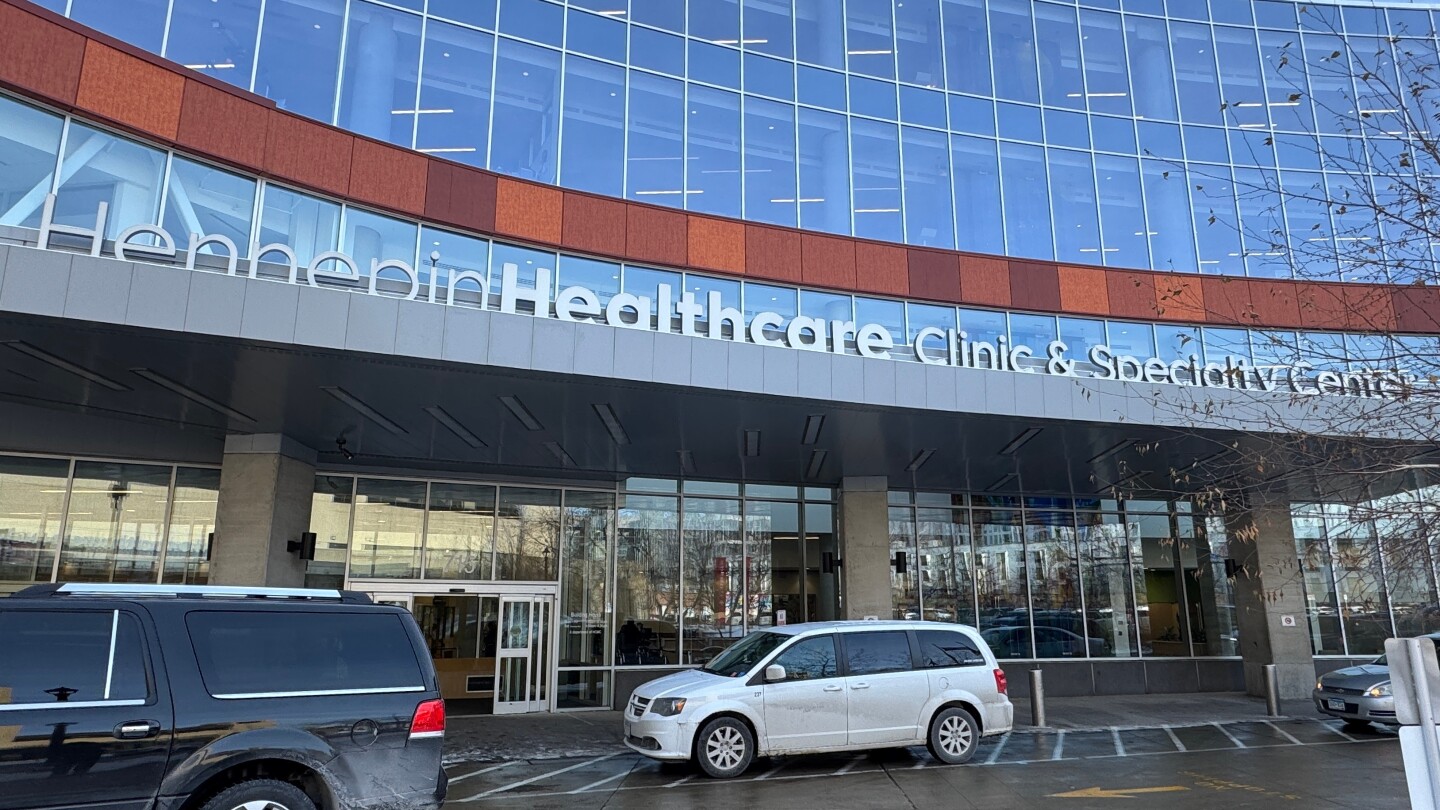
At Hennepin County Medical Center, Minnesota’s busiest emergency room and a critical safety net for uninsured patients, healthcare workers have resorted to encrypted group chats to communicate about immigration enforcement encounters. One nurse, speaking anonymously due to lack of authorization to talk with media, described plainclothes Immigration and Customs Enforcement (ICE) officers becoming fixtures around the hospital, targeting people of color and demanding documentation from both patients and staff as they exit the facility.
“I can’t believe we’re having to resort to this,” the nurse told The Associated Press. “How is this all happening?”
Department of Homeland Security spokeswoman Tricia McLaughlin denied these allegations, stating, “ICE does not conduct enforcement at hospitals—period. We would only go into a hospital if there were an active danger to public safety” or to accompany detainees.
The healthcare disruptions extend beyond Minnesota. Sandy Reding, a vice president of the National Nurses United union and president of the California Nurses Association, confirmed that immigrants across the country are “absolutely” avoiding medical care due to fear of enforcement actions. Some hospitals in Southern California have reported declining patient numbers as a result.
In Oregon, the state’s nurses association raised concerns about ICE officers bringing detainees to Legacy Emanuel Medical Center in Portland. In a letter, the union claimed officers have pressured medical staff to skip assessments and expedite discharges against medical advice. Legacy Health responded that it has reviewed policies to balance protection for impacted communities while complying with state and federal laws.
The Minnesota operation, dubbed “Operation Metro Surge” by federal authorities, began late last year and intensified in January when the Department of Homeland Security deployed 2,000 federal agents to the Minneapolis area—what it described as the largest immigration enforcement operation ever conducted. According to a recent court filing, more than 3,000 people have been arrested.
The consequences for healthcare have been severe. “Our patients are missing,” said Dr. Erin Stevens, legislative chair for the Minnesota section of the American College of Obstetricians and Gynecologists. Pregnant women are forgoing crucial prenatal care, while requests for home births have increased significantly, “even among patients who have never previously considered this or for whom it is not a safe option,” Stevens explained.
The enforcement surge in the Twin Cities has sparked confrontations between activists and immigration officers, created tension between local and federal officials, and resulted in at least one fatality—a mother of three shot by an ICE officer in what federal officials described as self-defense but local officials characterized as unnecessary force.
Tensions reached another flashpoint on Sunday when protesters disrupted a service at a St. Paul church because one of its pastors leads the local ICE field office. The U.S. Department of Justice has opened a civil rights investigation into the incident.
As the immigration enforcement operation continues, healthcare providers remain caught in the middle—struggling to fulfill their duty to care for all patients while operating in an environment where many of those patients now fear seeking the care they need.
Fact Checker
Verify the accuracy of this article using The Disinformation Commission analysis and real-time sources.

10 Comments
The stories of patients skipping vital appointments or disappearing without access to medication are heartbreaking. Doctors are right to sound the alarm on this crisis and demand a policy change to protect their patients’ wellbeing.
I agree, the healthcare system should be a safe space for all, regardless of immigration status. Doctors are the experts here, and policymakers would be wise to listen to their concerns and find a solution that prioritizes patient care.
It’s troubling to hear about immigrant patients disappearing into detention without access to necessary medication. This policy shift appears to be undermining the fundamental role of healthcare providers. Doctors are right to demand a change.
Absolutely, the healthcare system should be a safe haven, not a site of fear and chaos. Policymakers need to urgently address this crisis and ensure all patients can freely access the care they need.
This situation seems incredibly complex, with valid concerns on both sides. However, the core issue here is that vulnerable patients are being denied access to critical healthcare, which is unacceptable. Doctors are right to demand a policy change to address this crisis.
You make a fair point. Policymakers need to find a way to balance immigration enforcement with the fundamental role of the healthcare system. Doctors should be empowered to focus on patient care, not immigration status.
This is certainly concerning. Healthcare professionals should be able to focus on caring for patients without having to worry about immigration enforcement disrupting access to vital services. Doctors are right to sound the alarm on this crisis.
I agree, the situation seems untenable. Vulnerable patients should never have to skip critical appointments out of fear. The administration’s policy changes have clearly had devastating unintended consequences.
This is a complex issue, but the medical community raises valid concerns. Disrupting access to healthcare for vulnerable populations is unacceptable, regardless of immigration status. Doctors should be empowered to focus on patient care, not immigration enforcement.
You make a fair point. Doctors are not immigration agents, and their role is to heal, not to police. Policymakers must find a way to uphold the law while also protecting the integrity of the healthcare system.