


Listen to the article
Senate Democrats and the White House remain locked in a standoff over proposed immigration reforms, a dispute that could have significant repercussions for disaster response efforts across the nation as the partial government shutdown affecting the Department of Homeland Security (DHS) enters its fifth day.
Without additional funding, the Federal Emergency Management Agency (FEMA) may soon face limitations on its disaster relief operations, particularly concerning as hurricane season approaches. The constraints could severely hamper the agency’s ability to respond effectively to major storms and other emergencies.
Before the shutdown began last week, FEMA’s Office of Response and Recovery Associate Administrator Gregg Phillips warned a House panel that while the agency’s disaster relief fund currently holds approximately $7 billion—enough to maintain emergency responses for the “foreseeable future”—a catastrophic event could quickly deplete those resources.
“If a catastrophic disaster occurred, the disaster relief fund would be seriously strained,” Phillips told lawmakers.
For context, the federal government spent more than $50 billion on disaster relief during the last fiscal year. Phillips noted that during his nearly two-month tenure, FEMA had already allocated $3 billion across roughly 5,000 projects in just 45 days, highlighting the rapid rate at which disaster funds can be expended.
The current situation takes on added urgency as FEMA has been tasked with a “key role” in responding to a major environmental crisis—a sewage spill into the Potomac River, where approximately 200 million gallons of raw sewage have contaminated the waterway that flows through Washington, D.C. The financial impact of FEMA’s involvement in this cleanup effort has not yet been determined, according to a DHS spokesperson.
The funding bill that Senate Democrats rejected last week includes approximately $26 billion earmarked for FEMA’s disaster relief fund. However, negotiations remain at an impasse as Democrats push for substantive reforms to Immigration and Customs Enforcement (ICE) operations.
Little progress has been made this week in resolving the standoff. Congressional Democrats submitted a counterproposal to the White House late Monday in response to an administration offer made last week. A White House official characterized the situation bluntly: “The parties are still pretty far apart.”
“The administration remains interested in good-faith conversations to end the Democrat shutdown before more Americans feel the impacts,” the official added. “But the administration also remains committed to carrying out the president’s promise to enforce federal immigration law.”
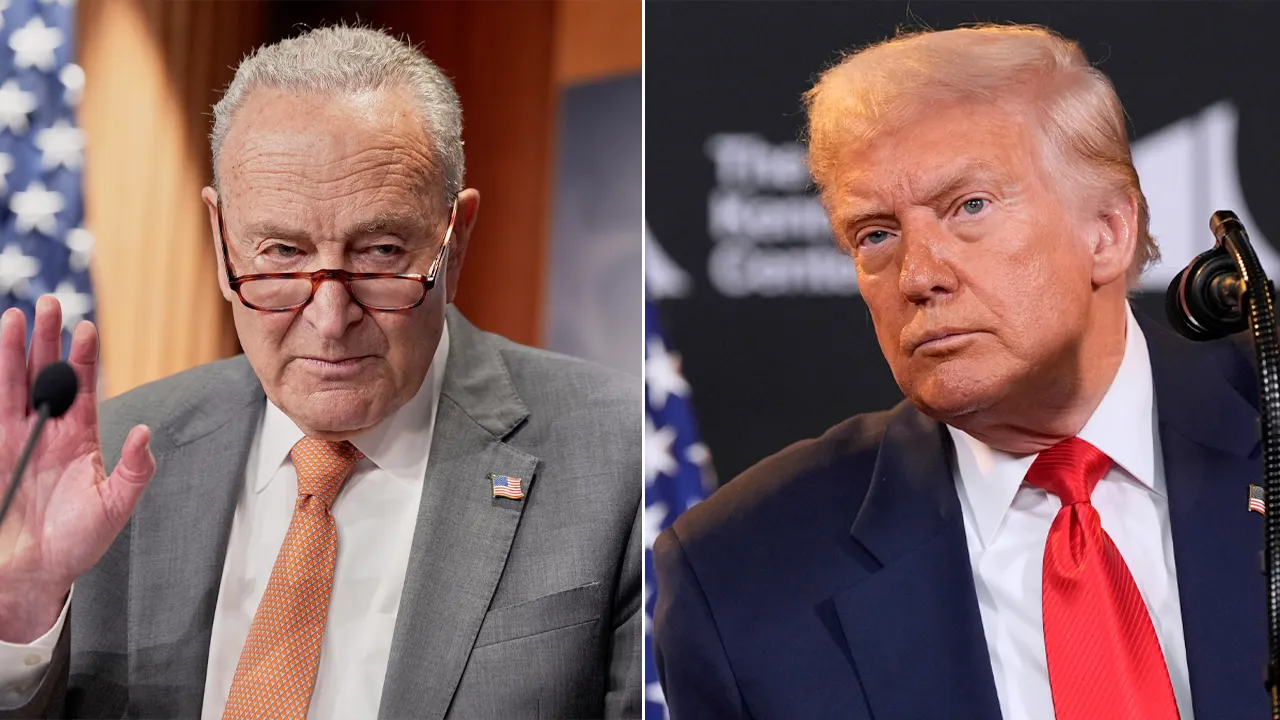
Representatives for Senate Minority Leader Chuck Schumer (D-N.Y.) and House Minority Leader Hakeem Jeffries (D-N.Y.) defended their position, stating that congressional Democrats have “been clear for weeks about the reforms needed to rein in ICE and stop the violence.”
“We’ve continued working through language and additional issues to make progress, but Republicans have largely ignored the core guardrails Americans are demanding,” they said in a joint statement. “Democrats are negotiating in good faith. It’s time for Republicans to do the same.”
The political deadlock comes at a particularly sensitive time for disaster preparedness, with emergency management experts warning that FEMA’s funding stability is crucial for maintaining readiness. The agency’s responsibilities span beyond immediate disaster response to include ongoing recovery efforts across multiple states still rebuilding from previous natural disasters.
Unless negotiators reach a compromise before next week, the Senate is scheduled to vote Monday on the original full-year DHS funding bill—a measure that Schumer and his Democratic colleagues are expected to block again, potentially prolonging the shutdown and further endangering FEMA’s operational capabilities as disaster risks loom.
The standoff highlights the increasingly complex intersection between immigration policy debates and the federal government’s ability to respond to natural and environmental emergencies, with communities across the country potentially caught in the middle of the political dispute.
Fact Checker
Verify the accuracy of this article using The Disinformation Commission analysis and real-time sources.

13 Comments
This situation highlights the need for a more robust and reliable funding mechanism for FEMA, one that is not subject to the whims of political gridlock. Disaster response should be a top priority, not a bargaining chip.
This political impasse is concerning, as disaster relief efforts should not be held hostage to partisan disputes. FEMA needs adequate and timely funding to respond effectively to emergencies.
With hurricane season approaching, it’s crucial that FEMA maintains full operational capacity. Lawmakers must put politics aside and ensure the agency has the resources to fulfill its critical mission.
Well said. The American people deserve leaders who will work together to support disaster relief efforts, not create unnecessary roadblocks.
This is a worrying development that could have severe consequences for communities in need of disaster assistance. Lawmakers must find a way to resolve this impasse and safeguard FEMA’s critical functions.
This partisan standoff is unacceptable. Disaster response should be a nonpartisan issue, with both sides coming together to ensure FEMA has the funding and support it requires.
The potential impact on FEMA’s disaster relief operations is deeply concerning. Depleting the agency’s resources could leave vulnerable communities without the aid they desperately need.
It’s troubling to see the DHS shutdown jeopardizing FEMA’s ability to respond to emergencies. Lawmakers need to put aside their differences and prioritize the safety and well-being of the American people.
Absolutely. Disaster relief should not be held hostage to political games. The public deserves leaders who will put the nation’s interests first.
The potential strain on FEMA’s disaster relief fund is deeply concerning. With hurricane season looming, the agency must have the resources it needs to effectively respond to emergencies and protect vulnerable communities.
I couldn’t agree more. Disaster relief should be above partisan politics. Lawmakers must put aside their differences and ensure FEMA has the support it requires.
Disaster relief should be a priority, regardless of political disagreements. Allowing the DHS shutdown to jeopardize FEMA’s capabilities is irresponsible and could have severe consequences for communities in need.
I agree. Disaster response should be nonpartisan and focused on protecting lives and property, not political grandstanding.