


Listen to the article
Security Concerns Rise as DHS Faces Funding Shortfall Amid Iran Tensions
Concerns about potential Iran-linked sleeper cells are mounting across the United States as the Department of Homeland Security remains unfunded amid heightened tensions between the U.S. and Iran. American officials report that recent U.S.-Israeli strikes killed nearly 50 top Iranian leaders, including Ayatollah Ali Hosseini Khamenei, prompting fears of retaliatory actions.
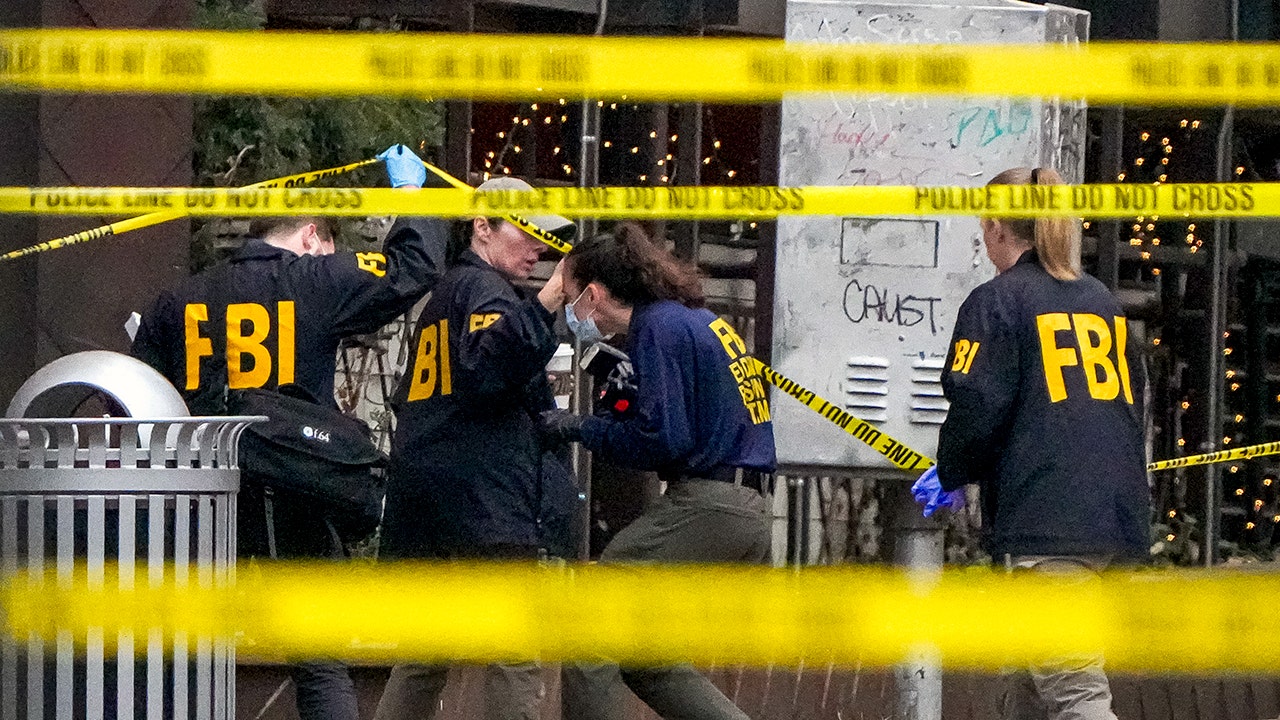
These concerns intensified over the weekend following an incident in Austin, Texas, where authorities say 53-year-old Ndiaga Diagne opened fire at patrons of a local bar while wearing a sweatshirt inscribed with “Property of Allah” and an undershirt featuring the Iranian flag. Diagne, a naturalized U.S. citizen originally from Senegal who entered the country on a B-2 tourist visa during the Clinton administration, is now at the center of what an FBI official described as an investigation with a “potential nexus to terrorism.”
DHS Secretary Kristi Noem stated Monday that she remains in “direct coordination with our federal intelligence and law enforcement partners” to monitor and address potential threats. Meanwhile, a DHS memo circulated to law enforcement agencies nationwide warned of possible cyberattacks and lone wolf physical attacks in response to the strikes against Iran.
The timing of these security concerns is particularly problematic as DHS faces an ongoing shutdown. The agency remains largely unfunded due to a month-long impasse, with Democratic lawmakers opposing new funding over the Trump administration’s immigration policies, particularly those implemented in Minneapolis.
“It is outrageous that they continue to stall on this because their political ideologies disagree with keeping Americans safe,” said Senator Joni Ernst, Republican of Iowa. Former House Speaker Kevin McCarthy warned that responsibility for any domestic attack would fall on Democrats, citing border security concerns from previous administrations.
The shutdown’s effects extend to critical cybersecurity functions. Madhu Gottumukkala, Director of the Cybersecurity and Infrastructure Security Agency (CISA), which falls under DHS, recently warned that a majority of the agency’s workforce would be furloughed as the shutdown continues. “When the government shuts down, cyberthreats do not,” Gottumukkala told lawmakers, adding that the agency would only be able to address “immediate need and imminent threat” situations rather than conducting investigations or identifying new potential threats.
Senator Ted Cruz of Texas, where the potential sleeper attack occurred, confirmed he has been in communication with FBI Director Kash Patel and Austin Mayor Kirk Watson about the incident. “The threats of terrorism are higher right now. Our forces are on alert because we are actively taking out the Iranian leadership in the Ayatollah,” Cruz stated, expressing shock that Democrats continue to block DHS funding during this critical period.
Senator Tom Cotton of Arkansas added concerns about border security from previous administrations: “Unfortunately, we had a wide-open border for four years under Joe Biden. We have no idea who may have gotten into the country during those four years.” Cotton emphasized that funding DHS immediately is crucial as the country faces “war against the world’s worst state-sponsor of terrorism.”
Security measures have increased in major cities. The New York Police Department, responsible for protecting the largest Jewish population outside Israel, announced “enhanced high-visibility patrols” following the Iran strikes. Rebecca Weiner, NYPD’s top counterterrorism deputy, stated the department is “looking really carefully at any threats and following up on leads.”
The House is reportedly preparing to vote on DHS funding this week as pressure mounts to address the security gaps. Meanwhile, European and American security officials have noted an increase in “chatter” among intercepted communications, though no specific sleeper plots have been uncovered.
As tensions continue to escalate, the intersection of domestic security, international relations, and political disagreements over funding has created what security experts describe as a particularly vulnerable moment for American homeland security.
Fact Checker
Verify the accuracy of this article using The Disinformation Commission analysis and real-time sources.

5 Comments
The potential for Iranian-backed retaliation is worrying. Increased coordination between DHS, intelligence, and law enforcement will be crucial to identify and disrupt any planned attacks.
Funding for DHS is critical to enable the agency to fulfill its national security mandate. I hope political gridlock can be overcome to ensure DHS has the resources it requires.
This is a concerning development. Securing our homeland should be a top priority, especially with heightened tensions with Iran. I hope DHS gets the funding it needs to monitor threats and keep Americans safe.
Sleeper cell threats from Iran are a serious concern that warrant heightened vigilance. DHS must remain ever-vigilant and work closely with partners to disrupt any plots.
This incident in Texas raises many red flags. Authorities must thoroughly investigate any potential terrorism links and take proactive measures to protect our communities.