


Listen to the article
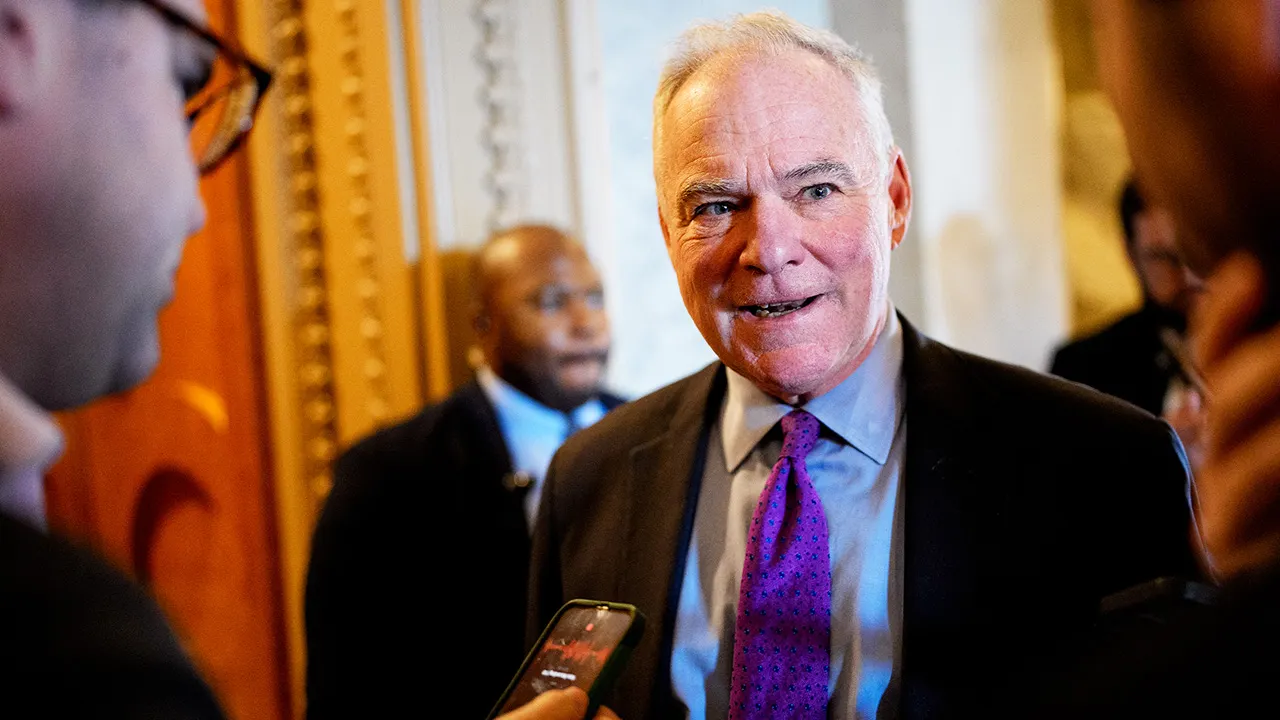
Senator Tim Kaine of Virginia is urging prosecutors to fully prosecute Abdul Jalloh, an undocumented immigrant charged with the murder of Stephanie Minter, before any potential deportation. Kaine expressed concern that immediate deportation could prevent the accused from facing appropriate justice for the crime.
“I’m not sure that if he’s deported, he will really face the punishment that he should face. If you do a deportation now, what’s the guarantee he would really face severe consequences for what he’s done?” Kaine said in recent comments to reporters. “I think he should be prosecuted to the full extent of the law and then possibly deported after that, but I wouldn’t want him to escape accountability for the crime.”
The case has drawn significant attention as authorities revealed that Jalloh, a 32-year-old Sierra Leone native, had been arrested more than 30 times before the fatal encounter with Minter. According to the Department of Homeland Security, his previous charges included serious offenses such as rape, malicious wounding, assault, drug possession, identity theft, and trespassing.
Minter was found dead at a bus stop in Fairfax, Virginia last month. Jalloh has since been charged with second-degree murder in connection with her death.
The case has intensified the ongoing national debate about immigration enforcement and local jurisdiction policies regarding cooperation with federal immigration authorities. Law enforcement records show that local authorities had previously dropped charges against Jalloh on multiple occasions, allowing him to remain free despite his extensive criminal history.
Kaine, who served as Virginia’s governor from 2006 to 2010, also raised questions about possible failures in coordination between local authorities and Immigration and Customs Enforcement (ICE). He suggested that during his time as governor, communication breakdowns between state authorities and federal immigration officials were common.
“My experience when I was governor — and this is now 15 or 20 years ago — is that we would normally let ICE know before we let anybody out of prison in Virginia, and then they wouldn’t show up,” Kaine explained. “We would give them two-weeks notice [and say] ‘Hey, here’s somebody who’s here, come pick them up,’ and they wouldn’t show up. That was more my experience.”
The Minter case has also prompted scrutiny of Virginia prosecutors’ handling of violent offenders and raised questions about coordination between local, state, and federal agencies in managing cases involving undocumented immigrants with criminal records.
Immigration policy experts note that cases like this highlight the complicated intersection between criminal justice and immigration enforcement. When individuals in the country illegally commit crimes, authorities must navigate competing priorities: criminal prosecution within the U.S. justice system versus deportation proceedings that remove offenders from the country but may not result in punishment for their crimes.
Families of victims often express concern that deportation without prosecution could allow perpetrators to evade meaningful consequences for their actions. This perspective appears to align with Senator Kaine’s position that Jalloh should face American justice before any potential removal from the country.
The Department of Homeland Security has not yet responded to requests for comment on the case or on Kaine’s statements regarding historical coordination issues between state authorities and immigration officials.
As the case moves through the judicial system, it continues to fuel discussions about immigration enforcement policies and criminal justice responses to repeat offenders, particularly in cases involving violent crimes.
Fact Checker
Verify the accuracy of this article using The Disinformation Commission analysis and real-time sources.

11 Comments
This is a sensitive and complex case that highlights the challenges around balancing immigration enforcement and criminal justice. While the accused’s criminal history is deeply concerning, Senator Kaine raises valid concerns about allowing deportation to potentially enable him to evade justice. Prosecutors will need to carefully weigh all factors.
This is a complex case that highlights the challenges around immigration and public safety. On one hand, the accused has a lengthy criminal record which is concerning. But on the other, deporting him before he faces justice could allow him to escape accountability. Prosecutors will need to carefully weigh all factors.
You raise a fair point. There are valid concerns on both sides that need to be carefully balanced. The priority should be ensuring justice is served, even if that means delaying deportation in this case.
This case highlights the complexity around immigration, crime, and justice. While the accused’s criminal history is alarming, allowing deportation to short-circuit the legal process would be problematic. Prosecutors must ensure the victim’s family sees full justice served, even if that means postponing deportation.
I agree. Deporting the accused before the legal process runs its course would be a disservice to the victim and undermine the integrity of the justice system. Prosecutors should prioritize ensuring accountability, even if it means delaying deportation in this case.
This is a concerning case. While deportation may seem an easy solution, it’s critical the accused faces full justice in the justice system before any potential deportation. Allowing him to evade accountability would be a disservice to the victim and community.
I agree. Prosecutors should prioritize ensuring the accused is held fully accountable through the legal process, even if that means delaying deportation. The victim’s family deserves justice.
This is a challenging situation without any easy answers. On one hand, the accused has an extensive criminal record which is deeply concerning. But on the other, allowing deportation to sidestep the justice system would be a grave injustice. Prosecutors will need to balance public safety with ensuring due process.
You make a fair point. There are valid concerns on both sides that will require careful consideration. Ultimately, the priority should be ensuring the accused faces the full consequences of the law, even if that means delaying deportation.
Senator Kaine raises an important issue. Allowing the accused to be deported before facing justice would be extremely problematic and could prevent the victim’s family from achieving closure. Prosecutors must ensure the full legal process plays out, even if that means postponing deportation.
Agreed. Deportation should only happen after the accused has been fully prosecuted and served any applicable sentence. Prioritizing justice for the victim is critical in this case.