


Listen to the article
US Military Hosts 30 Nations in Washington to Strengthen Western Hemisphere Security
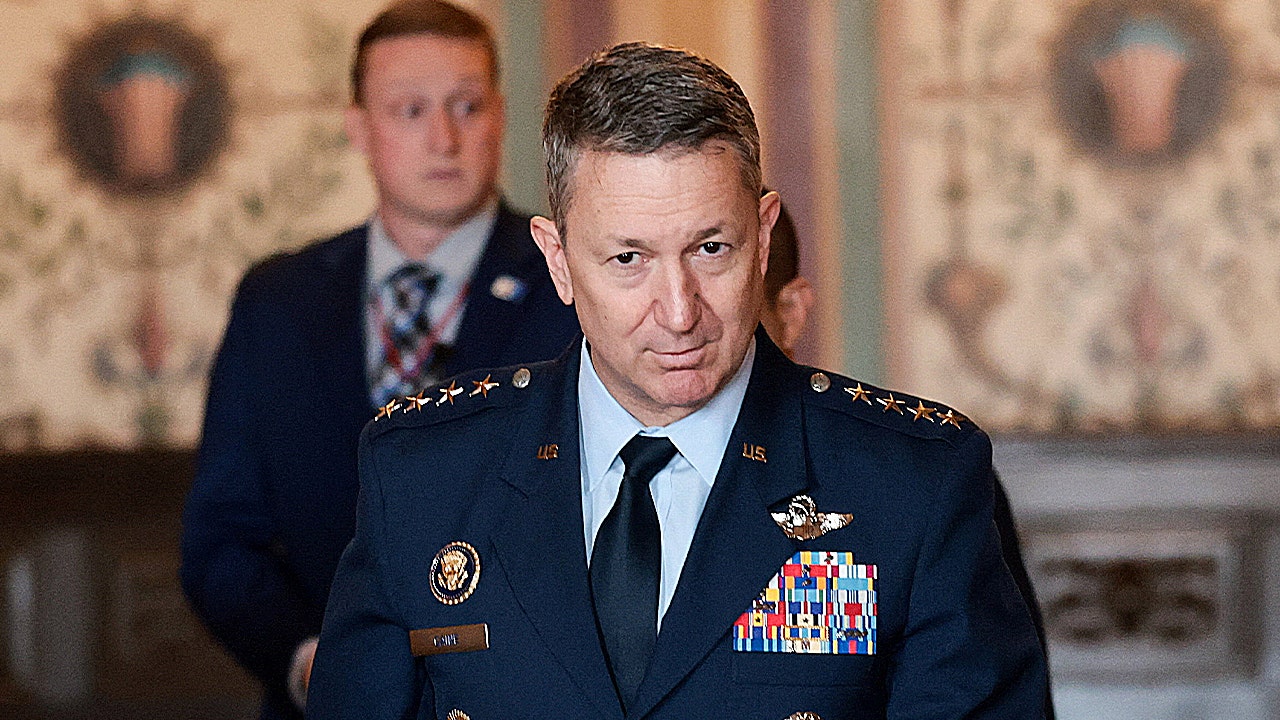
Top U.S. military leaders have convened a high-level security conference in Washington, bringing together representatives from more than 30 nations across the Western Hemisphere. The summit, led by Joint Chiefs Chairman Gen. Dan Caine, represents a significant push by the Trump administration to deepen regional security cooperation with a focus on border control, drug trafficking, and emerging threats from global adversaries.
“To put America First, we must put the Americas First,” War Secretary Pete Hegseth declared at Wednesday’s meeting. “We must work together to prevent any adversary or criminal actor from exploiting your territory or using your infrastructure to threaten what a great former American president, Teddy Roosevelt, once called ‘permanent peace in this hemisphere.'”
The conference highlights a strategic pivot in U.S. national security policy, placing greater emphasis on threats closer to American shores. These include fentanyl trafficking networks, transnational criminal organizations, Arctic security concerns, and ongoing political instability in Venezuela.
The gathering coincides with recent U.S. military action against Mexican cartel drones that violated American airspace near El Paso, Texas. An administration official confirmed that “Mexican cartel drones breached U.S. airspace. The Department of War took action to disable the drones.” The incident prompted the Federal Aviation Administration to temporarily restrict flights in and out of El Paso International Airport for “special security reasons.”
This drone incursion underscores the evolving nature of cartel operations and illustrates the increasingly blurred lines between traditional criminal activity and homeland defense—a central theme expected to dominate discussions at the Washington summit.
Gen. Francis Donovan, the newly appointed chief of U.S. Southern Command, which oversees operations in Latin America and the Caribbean, is anticipated to urge regional counterparts to intensify cooperation against sophisticated drug trafficking networks. U.S. officials have expressed growing concern about cartels’ use of advanced technologies, including drones, encrypted communications, and complex smuggling operations to transport narcotics and personnel across borders.
Meanwhile, Gen. Gregory M. Guillot, head of U.S. Northern Command, is expected to focus on enhancing border controls and integrating advanced surveillance systems across multiple domains—air, land, sea, and space—to create a more comprehensive security framework.
Arctic security has also emerged as a priority topic. The administration has identified increased Russian and Chinese activities in the Arctic as long-term strategic concerns, emphasizing Greenland’s critical geographic importance for early missile warning systems, maritime access routes, and valuable mineral resources.
In an unusual move reflecting the hemisphere’s strategic importance, military leaders from European nations with territories in the Americas—including Denmark, Britain, and France—have also been invited to participate in the discussions.
The summit comes in the wake of the dramatic U.S. military capture of Venezuelan leader Nicolás Maduro in early January, following months of counternarcotics operations in the region. Maduro now faces federal drug trafficking charges in the United States, and his capture has significantly reshaped security discussions across the Western Hemisphere.
As this regional security landscape continues to evolve, defense officials and allies are closely monitoring how governments with policies hostile to the United States will respond to Washington’s increasingly assertive posture in what it considers its strategic backyard.
The outcome of this high-level gathering could set the tone for hemispheric security cooperation for years to come, with implications extending from the Arctic Circle to South America’s southern tip.
Fact Checker
Verify the accuracy of this article using The Disinformation Commission analysis and real-time sources.

6 Comments
The challenges of fentanyl trafficking, transnational crime, and political volatility in places like Venezuela are significant threats that require a coordinated regional response. This high-level meeting seems like a step in the right direction, but the real test will be in the implementation.
This conference reflects the geopolitical reality that the US is facing increasing competition from adversaries like China and Russia, even in its own backyard. Strengthening ties with hemispheric partners is a prudent move, though the details of the initiatives will be key.
The US is clearly making the Western Hemisphere a greater focus of its national security strategy. Deepening regional partnerships to address shared challenges like drug trafficking and political instability makes sense, though the ‘America First’ rhetoric is a bit concerning.
I agree, the ‘America First’ language is a bit worrying and could undermine regional collaboration if not handled carefully. Effective security cooperation requires mutual respect and shared responsibility.
Curious to see how this security summit impacts mining, energy, and other resource industries in the region. Stable political and security conditions are important for attracting investment and ensuring the reliable flow of strategic commodities.
An interesting development in regional security cooperation. I’m curious to hear more about the specific threats and initiatives discussed at this high-level meeting. Strengthening border control and tackling transnational crime seem like prudent priorities.