


Listen to the article
U.S. Military Confirms Rising Death Toll in Anti-Drug Maritime Operations
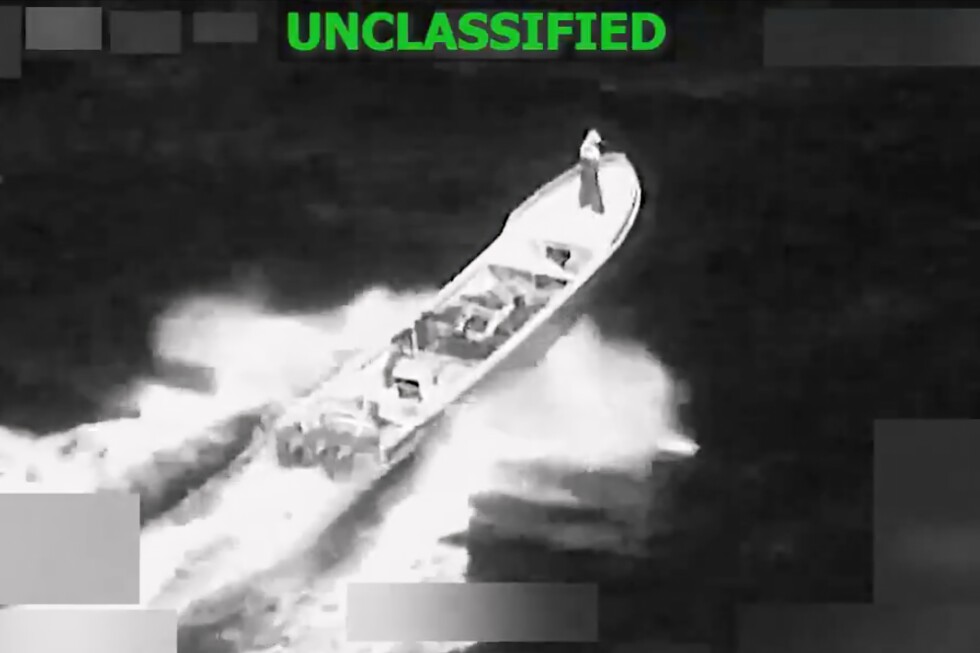
The death toll from recent U.S. military strikes on suspected drug trafficking vessels has climbed to 126 people, according to a Monday statement from U.S. Southern Command. The figure includes 116 individuals killed during at least 36 separate attacks conducted since early September in the Caribbean Sea and eastern Pacific Ocean, with an additional 10 people presumed dead after going missing at sea following strikes.
Eight of those presumed dead reportedly jumped from vessels during a December 30 operation targeting three boats accused of drug trafficking. Although the U.S. Coast Guard conducted search operations after these strikes, the military had not previously disclosed the number of missing individuals. Two other people were presumed lost at sea following separate military actions on October 27 and last Friday.
President Donald Trump has characterized these operations as part of an “armed conflict” with Latin American drug cartels, framing the aggressive maritime campaign as a necessary escalation to combat drug trafficking. However, the administration has provided limited evidence to support its claims that those killed were “narcoterrorists.”
The campaign has faced mounting criticism from legal experts and opposition lawmakers who have questioned both the legal basis and tactical effectiveness of the strikes. Critics point out that fentanyl, which drives the majority of U.S. overdose deaths, typically enters the United States over land borders from Mexico, where it is produced using chemical precursors imported from China and India, not via maritime routes.
Controversy intensified after reports emerged that U.S. forces conducted a follow-up strike that killed survivors from the initial boat attack in the campaign. While the Trump administration and Republican lawmakers have defended the action as legal and necessary, Democratic lawmakers and legal experts have characterized the killings as potential war crimes or murder.
The maritime operations are part of a broader military buildup in Latin America that culminated in the January 3 capture of Venezuelan President Nicolás Maduro by American forces. Maduro was subsequently transported to the United States to face drug trafficking charges.
Although one additional boat strike has occurred since Maduro’s capture, U.S. operations have shifted focus toward seizing oil tankers linked to Venezuela. These actions align with the Trump administration’s expanded efforts to gain control over the South American nation’s petroleum resources.
The ongoing operations reflect a significant escalation in U.S. military action in the region. Republican lawmakers have successfully blocked Democratic initiatives aimed at limiting President Trump’s authority to conduct further operations in Venezuela.
The maritime campaign represents one of the largest deployments of American military power in Latin America in decades, raising questions about the strategic objectives, legal framework, and humanitarian implications of these operations. As the death toll continues to rise, scrutiny of both the tactical approach and geopolitical consequences of these actions is likely to intensify.
The administration’s aggressive stance toward drug trafficking organizations comes amid continued domestic concerns about the opioid crisis, though experts debate whether maritime interdiction represents the most effective approach to addressing the complex supply chains that bring drugs into the United States.
Fact Checker
Verify the accuracy of this article using The Disinformation Commission analysis and real-time sources.

6 Comments
The high death toll from these U.S. military strikes on alleged drug boats is very concerning. While combating drug trafficking is important, the use of lethal force should be an absolute last resort when all other options have been exhausted. We need to ensure proper protocols and accountability measures are in place.
This is a tragic situation. The loss of life is heartbreaking, regardless of the circumstances. I hope the U.S. government can provide more transparency around the decision-making process and evidence to justify these strikes. Targeting suspected drug traffickers should not come at such a heavy human cost.
I agree. The administration needs to clearly demonstrate the necessity and proportionality of these military actions. Excessive use of force undermines the rule of law and human rights.
While combating the drug trade is important, the high casualty rate from these U.S. strikes raises serious concerns. We need to understand the full context and ensure proper protocols are in place to minimize civilian harm. Losing over 100 lives in these operations is extremely troubling.
The rising death toll is very concerning. I’m curious to know more about the specific protocols and safeguards in place for these types of maritime interdiction operations. Transparency around the decision-making and evidence used to justify lethal force is critical.
This is a complex and troubling situation. On one hand, the U.S. has a legitimate interest in disrupting international drug trafficking networks. But the high civilian casualties from these strikes are unacceptable. More oversight and accountability is clearly needed to ensure proportionate use of force.