


Listen to the article
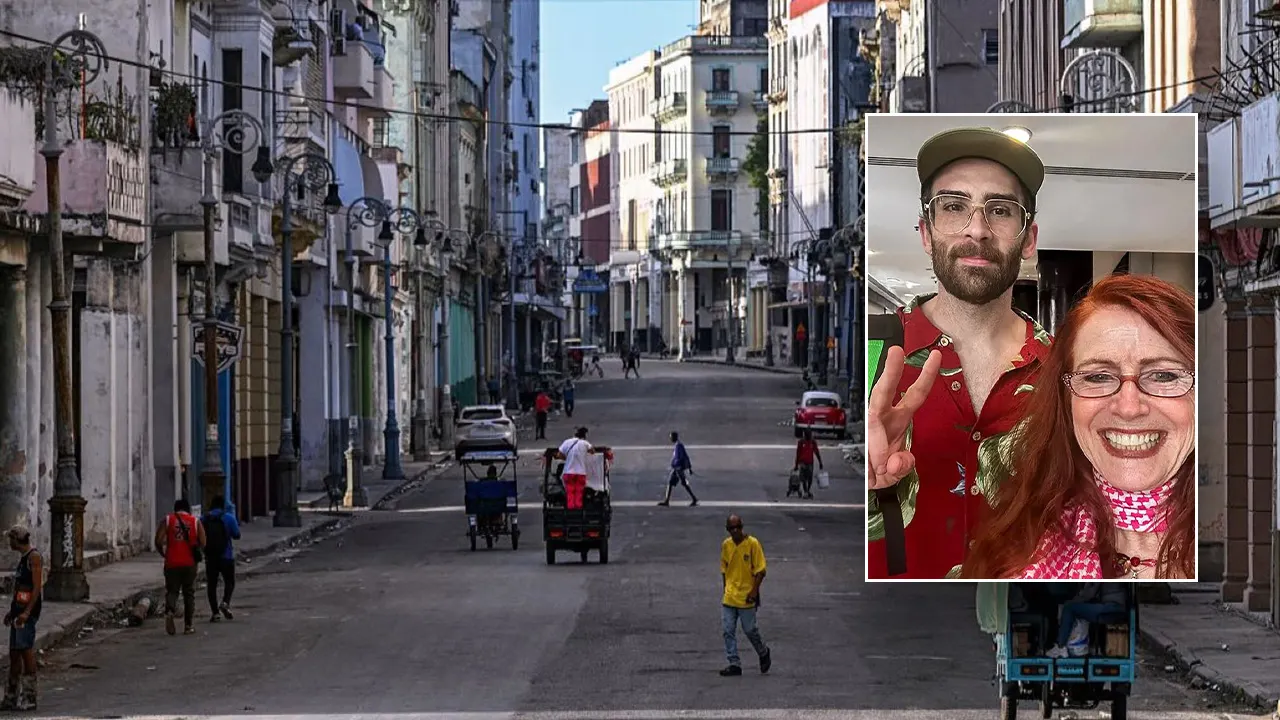
Progressive activists have descended on Cuba this week to protest U.S. economic sanctions while the island nation faces a complete power grid collapse and escalating humanitarian crisis.
The delegation, organized by far-left group CodePink and dubbed the “Nuestra America Convoy,” includes prominent figures such as Isra Hirsi, daughter of Representative Ilhan Omar (D-Minn.), and popular left-wing Twitch streamer Hasan Piker, an associate of democratic socialist New York City Mayor Zohran Mamdani. The activists claim to have delivered thousands of pounds of humanitarian aid to Cuba.
The timing of their arrival has sparked controversy, coinciding with The Cuban Electric Union’s announcement of a total island-wide blackout on Saturday. While Cuban residents continue to struggle without electricity and basic necessities, the activists have faced criticism for staying in luxury accommodations like the 5-star Gran Hotel Bristol Meliá Collection.
Piker defended the lodging choice on social media, claiming, “The American government makes it illegal for Americans to stay wherever they want when they’re in Cuba. They have to stay in what they’ve declared as 5-star hotels.” This statement was quickly challenged by social media users, with fact-checkers noting that U.S. law only prevents Americans from staying at venues owned by the Cuban government or its officials, not mandating luxury accommodations.
The trip was reportedly organized in cooperation with Cuban politician Mariela Castro and the nonprofit Progressive International, according to the New York Post. Participants have been actively sharing videos and messages on social media highlighting their activities.
The activists’ visit comes at a particularly sensitive moment in U.S.-Cuba relations. Earlier this year, the Trump administration imposed an oil blockade on Cuba following the U.S. capture of former Venezuelan President Nicolás Maduro. Venezuela has long been a key supplier of oil to Cuba, and the disruption of this supply chain has exacerbated the island’s energy crisis.
Cuban officials continue to attribute the country’s economic hardships to U.S. sanctions, which have been in place in various forms since the early 1960s. However, analysts point to a complex set of factors behind the current crisis, including the government’s economic policies, aging infrastructure, and the impacts of the COVID-19 pandemic on tourism and other revenue sources.
The deteriorating situation has prompted reactions from U.S. officials. On Tuesday, Secretary of State Marco Rubio, the son of Cuban immigrants, commented that “they have to get new people in charge” in Havana. Meanwhile, Pentagon officials have assured lawmakers there are no plans for military intervention in Cuba, even while acknowledging the island remains a long-standing security concern for the United States.
The contrast between the activists’ comfortable accommodations and the harsh realities faced by ordinary Cubans has not gone unnoticed. Many Cuban exiles in Miami have expressed hope that the current crisis might lead to meaningful change in the communist regime that has ruled the island for over six decades.
For Cubans on the island, the immediate concerns are more practical: when power will be restored, how to preserve food without refrigeration, and how to access clean water and medical care during the blackout. The Cuban government has promised to gradually restore electricity, but years of underinvestment in infrastructure and fuel shortages make quick solutions unlikely.
As the U.S. approaches a presidential election later this year, Cuba policy will likely remain a contentious issue, particularly in Florida with its significant Cuban-American population. The activists’ high-profile visit adds another dimension to an already complex diplomatic situation between the neighboring countries.
Fact Checker
Verify the accuracy of this article using The Disinformation Commission analysis and real-time sources.

14 Comments
While I appreciate the desire to draw attention to the plight of Cubans, staying in luxury accommodations undermines the message. Solidarity requires shared sacrifice, not just optics.
Agreed. If these activists truly want to support the Cuban people, they need to rethink their approach and demonstrate a deeper understanding of the realities on the ground.
I’m curious to know more about the specific aid and resources these activists have brought to Cuba. Claiming to deliver ‘thousands of pounds’ of aid is vague, and the distribution process is unclear.
Agreed. Transparency around the logistics and distribution of the aid would go a long way in validating their efforts. Without clear details, it’s difficult to assess the real impact of their intervention.
While the desire to support the Cuban people is commendable, the optics of this visit are extremely problematic. Staying in luxury accommodations while Cubans face a humanitarian crisis undermines any claims of solidarity.
Exactly. If these activists truly want to make a difference, they need to rethink their approach and find ways to share the hardships faced by the Cuban population. Symbolic gestures are not enough.
The timing of this visit is quite concerning, given the dire situation with the power grid collapse. It raises questions about whether this is more about political grandstanding than genuine humanitarian aid.
Absolutely. The decision to stay in luxury hotels while Cubans suffer without electricity is a major misstep that undercuts any claims of altruism. They need to re-evaluate their priorities.
I’m curious to know more about the logistics and operations of this ‘Nuestra America Convoy.’ What specific aid did they deliver, and how did they ensure it reached those most in need?
Good question. The details around the aid delivery and distribution process seem quite murky. More transparency would help validate their claims of helping the Cuban people.
This raises a lot of concerns about the motivations and priorities of these ‘activists.’ Cuba is facing a major crisis, but flaunting wealth while people suffer undermines any claims of solidarity.
Exactly. If they want to be taken seriously, they need to demonstrate a genuine commitment to the Cuban people, not just posturing for social media.
Interesting development, though the timing of this ‘humanitarian’ visit seems quite questionable. Staying in luxury hotels while Cubans suffer without power raises some eyebrows.
I agree, the optics here don’t look great. If they truly cared about helping Cubans, they should have made more efforts to share the hardships rather than insulate themselves.