


Listen to the article
In a rare judicial rebuke, a federal judge with conservative credentials has labeled Immigration and Customs Enforcement (ICE) a “serial violator of court orders” in Minnesota, adding a powerful voice to the ongoing national debate over immigration enforcement tactics.
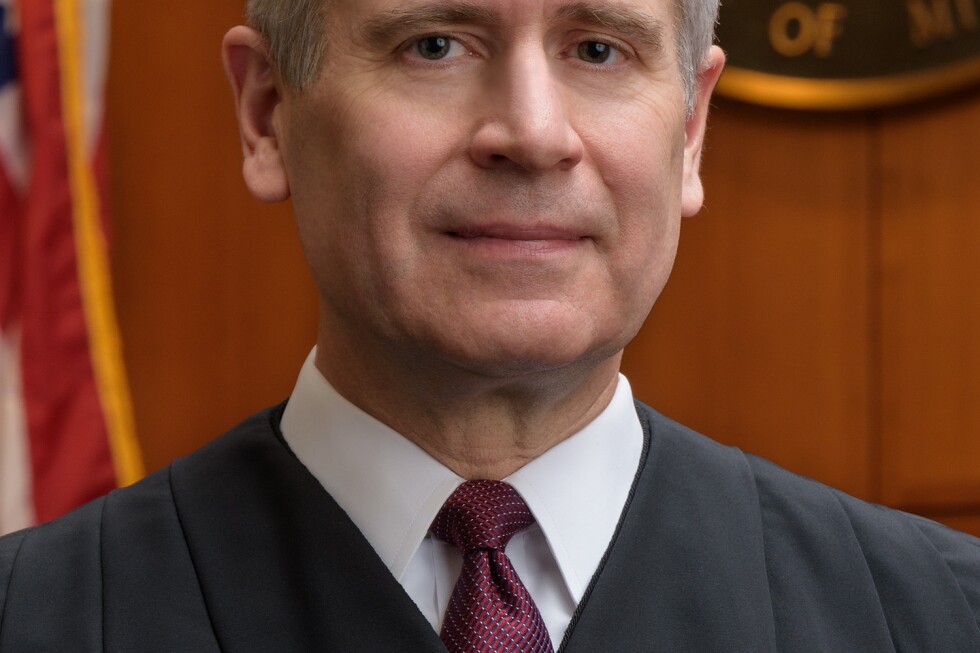
Chief U.S. District Judge Patrick Schiltz declared that “ICE is not a law unto itself” in a strongly worded statement that has intensified scrutiny of the federal agency’s compliance with judicial authority during recent immigration operations in Minneapolis.
The judge’s critique centered not on the controversial tactics employed by immigration officers—which have included fatal encounters with U.S. citizens, aggressive home entries using battering rams, and confrontations with protesters—but rather on the agency’s systematic disregard for legal directives.
After consulting with colleagues on the bench, Schiltz identified nearly 100 instances since January 1 where the government failed to comply with court orders across 74 cases involving individuals arrested during Operation Metro Surge. These cases typically involved immigrants seeking release or other forms of relief. The judge emphasized that this figure is “almost certainly substantially understated.”
“This list should give pause to anyone—no matter his or her political beliefs—who cares about the rule of law,” Schiltz wrote. He affirmed that while ICE has every right to challenge court orders, it must, “like any litigant,” follow those orders until they are legally overturned or vacated.
The Department of Homeland Security responded defiantly through spokesperson Tricia McLaughlin, who dismissed the judge’s declaration as a “diatribe from this activist judge” and insisted, “We will not be deterred by activists either in the streets or on the bench.”
Deputy White House Chief of Staff Stephen Miller echoed this sentiment on social media, characterizing Schiltz’s comments as part of “judicial sabotage of democracy.”
Schiltz’s intervention represents part of a broader judicial effort to hold federal immigration officials accountable. U.S. District Judge Kate Menendez previously issued an order prohibiting officers from using tear gas or pepper spray against peaceful protesters in Minnesota, though this directive has been temporarily suspended pending appeal.
In a similar case in Chicago last November, a federal judge restricted the use of force and accused a Border Patrol commander of lying about threats faced by officers. That order was also halted on appeal before the lawsuit was ultimately dropped as tensions subsided.
Judge Schiltz’s background adds particular weight to his critique. The 65-year-old jurist was nominated by Republican President George W. Bush and has served on the federal bench for approximately two decades. His legal credentials include clerking for conservative Supreme Court Justice Antonin Scalia, practicing as an attorney, and teaching law.
“This is not a judge who courts controversy,” observed Mark Osler, a former federal prosecutor who now teaches at the University of St. Thomas School of Law in Minneapolis. “He has a deep belief in the rule of law. Our social contract includes that when government officials are ordered by the courts to do something, there should be a good faith effort to make that happen. When we lose that we lose the accountability for government that an ordered society requires.”
The situation reached a critical point on Monday when Schiltz took the “extraordinary” measure of ordering ICE’s acting director, Todd Lyons, to appear in court to explain why he should not be held in contempt for the agency’s pattern of non-compliance. The judge later canceled this hearing after an immigrant central to the case was released.
In response to questions about potential bias, Schiltz acknowledged to Fox News Digital that he has donated to organizations providing legal assistance to immigrants, including the Immigrant Law Center of Minnesota and Mid-Minnesota Legal Aid. He defended these contributions as reflecting his belief that disadvantaged individuals should have access to legal representation.
The standoff highlights escalating tensions between judicial authority and executive branch immigration enforcement, raising fundamental questions about the separation of powers and the rule of law in America’s immigration system.
Fact Checker
Verify the accuracy of this article using The Disinformation Commission analysis and real-time sources.

10 Comments
It’s refreshing to see a judge take a firm stance against ICE’s apparent disregard for the law. Upholding the rule of law should transcend partisan politics.
I agree. Impartial application of the law is critical for maintaining public trust in the justice system.
This highlights the importance of checks and balances in the justice system. ICE needs to be held accountable for its actions and comply with court orders, no matter the political climate.
Exactly. Judicial oversight is essential to prevent government overreach, even in sensitive areas like immigration enforcement.
It’s concerning to hear about the systematic disregard for court orders by ICE. Maintaining the integrity of the legal system should be a priority, regardless of political affiliation.
I hope this case serves as a wake-up call for ICE to improve its compliance with the law and judicial directives.
This case underscores the need for robust oversight and accountability mechanisms for federal agencies like ICE. Adherence to court orders is a fundamental principle of a functioning democracy.
Absolutely. The judge’s actions demonstrate the importance of an independent judiciary in checking executive power.
Interesting to see a conservative judge challenging ICE over its disregard for court orders. It’s important for all government agencies to operate within the bounds of the law, regardless of political affiliations.
Agreed. Upholding the rule of law and judicial authority is critical, even when it goes against the administration’s agenda.