


Listen to the article
Federal Judges Granted New Latitude to Defend Courts Against ‘Illegitimate Criticism’
Legal experts and conservatives are voicing strong opposition to newly released ethics guidelines that permit federal judges to speak out on certain issues. Critics argue the guidance, published this month by the U.S. Judicial Conference, represents a hypocritical stance and has been inconsistently applied.
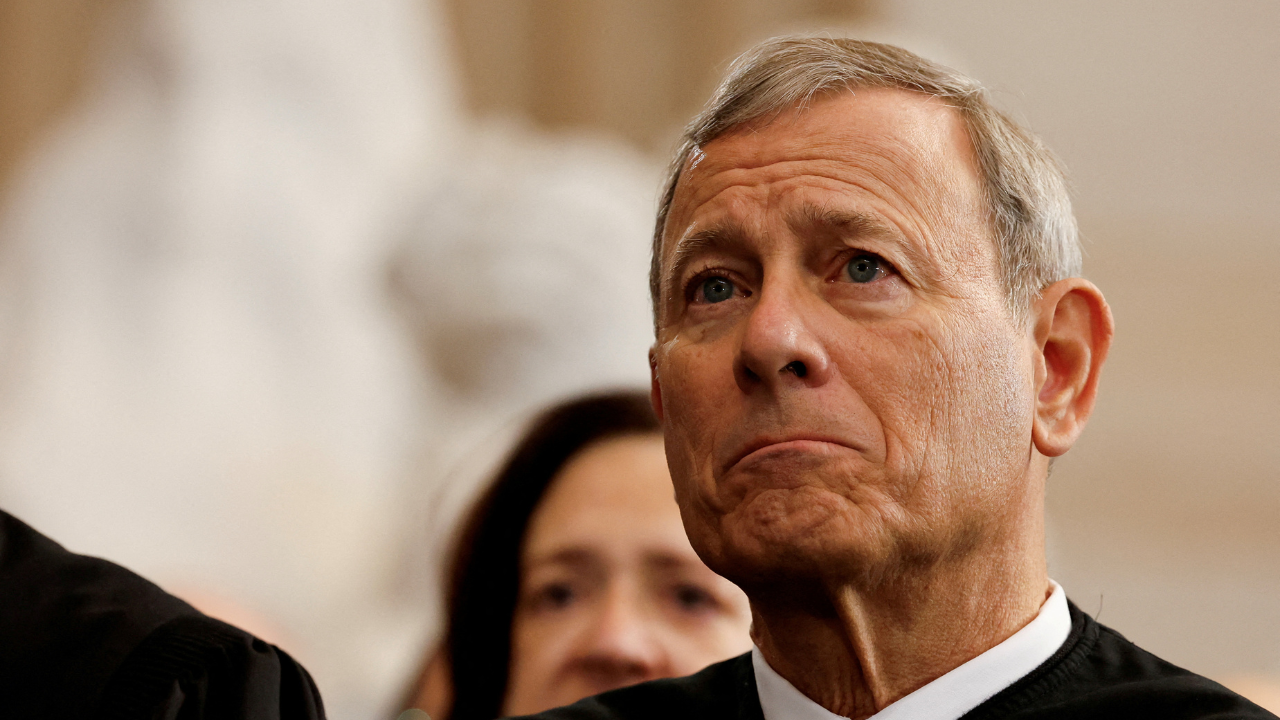
The Judicial Conference, the national policy-making body for federal courts headed by Supreme Court Chief Justice John Roberts, issued an advisory opinion that represents a significant shift from previous guidance. While Roberts’ direct involvement in drafting the guidance remains unclear, it has nonetheless drawn sharp criticism.
Mike Davis, founder of the Article III Project, told Fox News Digital that Roberts is “giving judicial saboteurs new tools” that could enable courts to exceed their authority.
The new guidelines specifically allow judges to engage in a “measured defense” of the judiciary, particularly when facing “illegitimate forms of criticism and attacks” that might undermine judicial independence or the rule of law. The opinion identifies four areas of illegitimate activity previously outlined by Chief Justice Roberts in his 2024 year-end report: violence, intimidation, disinformation, and threats to defy court orders.
“It does not follow, however, that every activity that involves the law or the legal system is considered permissible activity,” the report noted.
The timing of this guidance is particularly noteworthy, as it comes during a period when President Trump has repeatedly criticized what he describes as “rogue” or “activist” judges who have blocked or delayed several of his administration’s key policy initiatives.
Simultaneously, federal data indicates a sharp increase in threats against federal judges in 2025 compared to the previous year, including rising incidents of online harassment, physical violence threats, and “doxxing” targeting judges and their families.
The guidance appears designed to provide judges a framework to address criticism, but has sparked fresh controversy from Trump allies, conservative commentators, and judicial observers who believe it unfairly shields certain members of the judiciary.
Josh Blackman, a constitutional law professor at the South Texas College of Law, highlighted concerns about the timing of the new guidance in an interview. “It is clearly a response to conservative criticism of liberal judges,” Blackman said. “We didn’t see much of this in the last four years, [when] there were routine death threats against conservative judges.”
He added that the timing “is a bit unfortunate, because it gives a sense that only [certain] criticisms warrant a response.”
Davis was more pointed in his criticism, describing the ethics guidance as “sabotaging the exercise of core Article II powers of the duly-elected president” and another instance where the federal judiciary has overstepped its bounds.
“Friendly reminder: when federal judges take off their judicial robes, climb into the political arena, and throw political punches, they should expect powerful political counterpunches,” Davis stated.
The opinion emerges against a backdrop of dozens of former judges expressing concern over the Trump administration’s rhetoric toward federal court judges, characterizing the administration’s language as unnecessarily inflammatory.
The guidance also emphasizes that judges “should avoid sensationalism” and commentary that “may result in confusion or misunderstanding of the judicial function or detract from the dignity of the office.”
This update comes amid criticism of several judges for allegedly overstepping their judicial duties or making overtly political statements. Last year, the Supreme Court condemned U.S. District Judge William Young, a Reagan appointee, for failing to show proper respect for the commander-in-chief in opinions that characterized Trump as focused on “retribution” and as a bully.
Young had also accused the administration of “racial discrimination” and “discrimination against the LGBTQ community,” and rhetorically asked in one court order, “Have we no shame?”
The controversy highlights growing tensions between the judiciary and executive branch as courts continue to play a significant role in determining the fate of key administration policies.
Fact Checker
Verify the accuracy of this article using The Disinformation Commission analysis and real-time sources.

14 Comments
While I understand the desire to protect the judiciary, I’m concerned this new guidance could be misused to stifle legitimate criticism and debate. Checks and balances are crucial, and the public should be able to question judicial decisions without fear of retaliation.
That’s a fair point. Robust public discourse is vital, and we must be vigilant to ensure these new rules don’t become a tool for suppressing dissent.
This is an intriguing development in the ongoing debate over the role and independence of the judiciary. I’m curious to hear more about the specific concerns raised by legal experts and conservatives. What are the potential unintended consequences they foresee?
This is a complex issue with valid concerns on both sides. Judges need to maintain impartiality, but they also have a duty to defend the integrity of the judicial system. It will be interesting to see how this new guidance is implemented in practice.
I agree, this is a delicate balance. Judges should be able to respond to unfair criticism, but they must be careful not to overstep and compromise their neutrality.
This is a delicate issue that touches on the fundamental role of the courts in a democracy. I’m curious to hear more about the specific concerns from legal experts and conservatives. What are the potential pitfalls they see with this new guidance?
As someone interested in the mining and energy sectors, I don’t have a strong opinion on this judicial ethics issue. However, I’m wondering if there could be any downstream impacts on the regulation and oversight of those industries. Is there a connection there that I’m missing?
That’s an interesting point. While this guidance is focused on the judiciary, changes in how judges can respond to criticism could potentially impact how they approach cases related to mining, energy, and other regulated industries. Something worth keeping an eye on.
This seems like a complex issue with valid concerns on both sides. I’m curious to see how the new guidelines are implemented and if they strike the right balance between protecting judicial independence and allowing for legitimate public discourse.
As someone with a keen interest in the mining and energy sectors, I don’t have a strong opinion on this particular issue. However, I’m wondering if there could be any indirect impacts on how the courts approach cases related to those industries. Is that something worth considering?
That’s an astute observation. While this guidance is focused on the judiciary more broadly, changes in how judges can respond to criticism could potentially influence their approach to cases involving regulated industries like mining and energy. Something worth keeping an eye on going forward.
This is a complex issue with valid concerns on both sides. I appreciate the attempt to protect the integrity of the judiciary, but I share the worries about the potential for these new guidelines to be misused. Maintaining a balance between judicial independence and public accountability will be crucial.
As a supporter of strong, independent institutions, I can understand the desire to defend the courts against unfair attacks. However, I share the concerns about the potential for these new guidelines to be misused. Transparency and accountability should be the guiding principles.
Well said. Maintaining the integrity of the judiciary is crucial, but so is ensuring there are proper checks and balances. It will be important to closely monitor how these new guidelines are applied in practice.