


Listen to the article
Congressional lawmakers are pushing forward legislation to create national safety standards for autonomous vehicles, a move that could override emerging state-level restrictions on the rapidly developing technology.
The House Energy and Commerce Committee advanced the SELF DRIVE Act in a narrow 12-11 vote on Tuesday, marking a significant step toward establishing the first comprehensive federal framework for self-driving vehicles. Representative Bob Latta, R-Ohio, who sponsored the bill, emphasized the urgent need for regulatory clarity.
“There is currently no federal framework for autonomous vehicles, even as the technology continues to advance at a rapid pace,” Latta said during the committee meeting. “It is critical that we prioritize safety, transparency and innovation while keeping up with these developments.”
The legislation would require the National Highway Traffic Safety Administration (NHTSA) to develop federal safety standards for autonomous vehicle manufacturers by September 2027. It also aims to create a uniform set of definitions for autonomous driving technology and clarify the various levels of assisted driving capabilities.
Additionally, the bill includes provisions allowing for limited testing of automated driving systems in commercial vehicles, potentially opening the door for wider adoption in the trucking and delivery sectors.
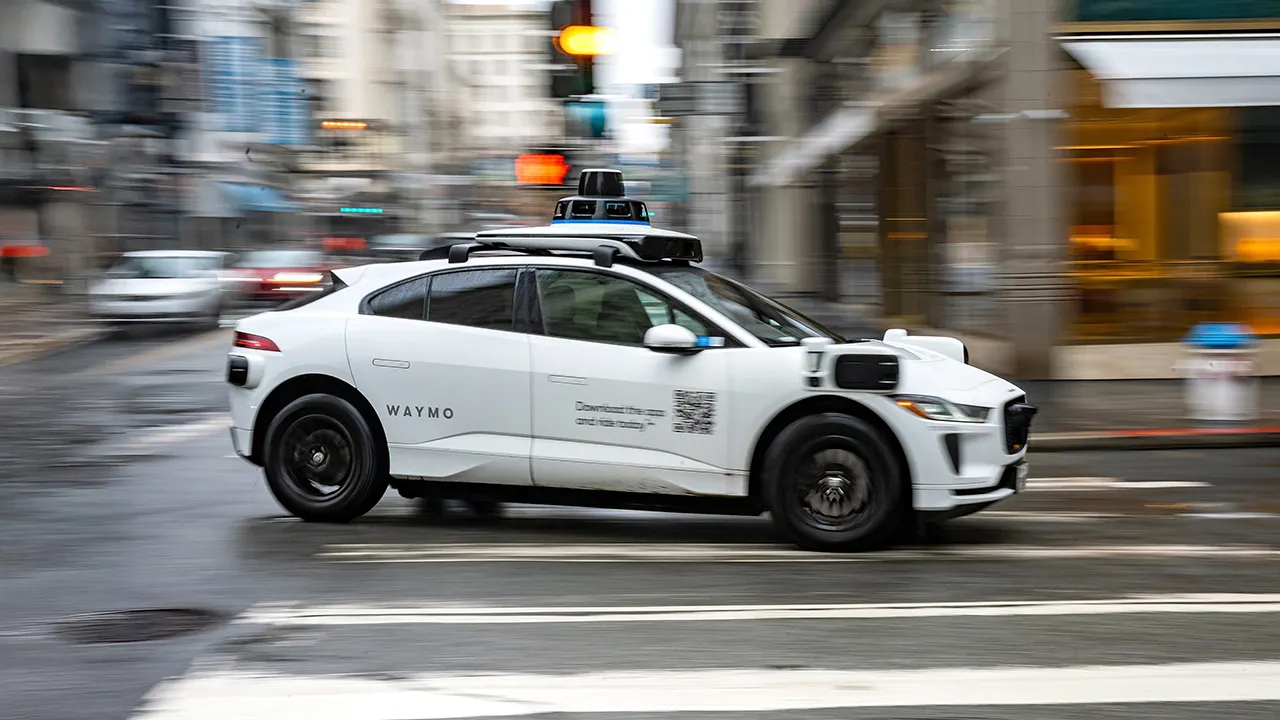
The legislative push comes as autonomous vehicle companies like Waymo have already deployed fleets of self-driving cars in major metropolitan areas including Atlanta, Miami, San Francisco, and Austin. Industry analysts note that these deployments have created a patchwork of local and state regulations that companies must navigate, potentially hampering innovation and broader implementation.
Latta believes a cohesive federal approach would not only streamline domestic regulations but also position the United States as a global leader in autonomous vehicle technology standards.
“By strengthening America’s role in developing and regulating the autonomous vehicle safety framework, the United States has an opportunity to set the global standard for AV safety,” he stated. “Doing so will ensure innovation continues to thrive here at home, keep high-quality jobs in America and reinforce our position as a global leader in autonomous vehicle development and manufacturing, especially as we compete with China.”
Major players in the autonomous vehicle industry have voiced strong support for the legislation. Tesla Inc. released a statement praising the bill, saying, “The SELF DRIVE Act would establish a clear national framework for the deployment of autonomous vehicles that will save American lives and unlock significant growth in U.S. manufacturing.”
Honda Motor Company also endorsed the effort, with Jennifer Thomas, senior vice president of corporate affairs, commending “Latta’s efforts to advance the SELF-DRIVE Act for 2026 to establish a single national standard for automated vehicle technology.”
The bill’s advancement comes at a critical juncture for the autonomous vehicle industry. Companies have invested billions in developing self-driving technology, but regulatory uncertainty has created challenges for widespread commercial deployment. Proponents argue that standardized federal oversight would accelerate innovation while ensuring consistent safety protocols across state lines.
Critics, however, express concerns about whether the technology is mature enough for comprehensive federal standards, and whether the legislation might preempt important state-level safety initiatives already in place.
Transportation safety advocates are watching closely to see how the bill addresses issues of liability, cybersecurity, and data privacy—all critical considerations for autonomous vehicle deployment.
While the legislation has cleared committee consideration, its path forward remains uncertain. The bill must still reach the House floor for a full chamber vote before potentially moving to the Senate, where similar legislation has stalled in previous sessions of Congress.
As autonomous vehicle technology continues to evolve rapidly, industry experts suggest that creating a balanced regulatory framework will be essential to maintaining U.S. competitiveness in this emerging sector while ensuring public safety remains paramount.
Fact Checker
Verify the accuracy of this article using The Disinformation Commission analysis and real-time sources.

14 Comments
The push for federal self-driving car regulations is an important step, though the details will be crucial. Striking the right balance between enabling innovation and maintaining public safety is key.
Absolutely, the SELF DRIVE Act will need robust stakeholder input to get the framework right. Transparency and flexibility will be essential as the technology evolves.
The push for federal self-driving car rules is a necessary step, but I hope the SELF DRIVE Act doesn’t stifle innovation or undermine state authority. A balanced approach is key.
Exactly. Maintaining the right equilibrium between national standards and state-level oversight will be critical as this legislation takes shape.
As autonomous vehicle technology advances rapidly, national safety standards seem necessary. However, I hope the legislation maintains room for state-level oversight and consumer protections.
Good point. States should retain some authority to address local needs and circumstances, even with a federal framework in place.
Consistent national standards for autonomous vehicles make sense, but I worry about the potential to override state-level consumer protections. Careful consideration of state and local interests is crucial.
Good point. The legislation should include provisions for states to maintain a role in regulating self-driving cars to address local needs and preferences.
Interesting development on self-driving car regulations. Seems like a move to create national standards and avoid a patchwork of state-level rules. Curious to see how this balances safety, innovation, and consumer protections.
Agree, national standards could help accelerate autonomous vehicle adoption while ensuring consistent safety protocols across the country.
Establishing uniform definitions and capabilities for self-driving cars is a smart move. But I’m curious how the NHTSA will develop appropriate safety standards by 2027 given the pace of innovation.
That’s a valid concern. The legislation may need built-in mechanisms for regular updates to keep pace with technological advances in autonomous vehicles.
While federal self-driving car regulations could bring much-needed clarity, I hope the legislation allows enough flexibility for automakers to continue innovating. Safety should be the top priority, but overly restrictive rules could stifle progress.
Agree, a balanced approach that promotes innovation while ensuring robust safety protocols is ideal. The challenge will be getting that equilibrium right.