


Listen to the article
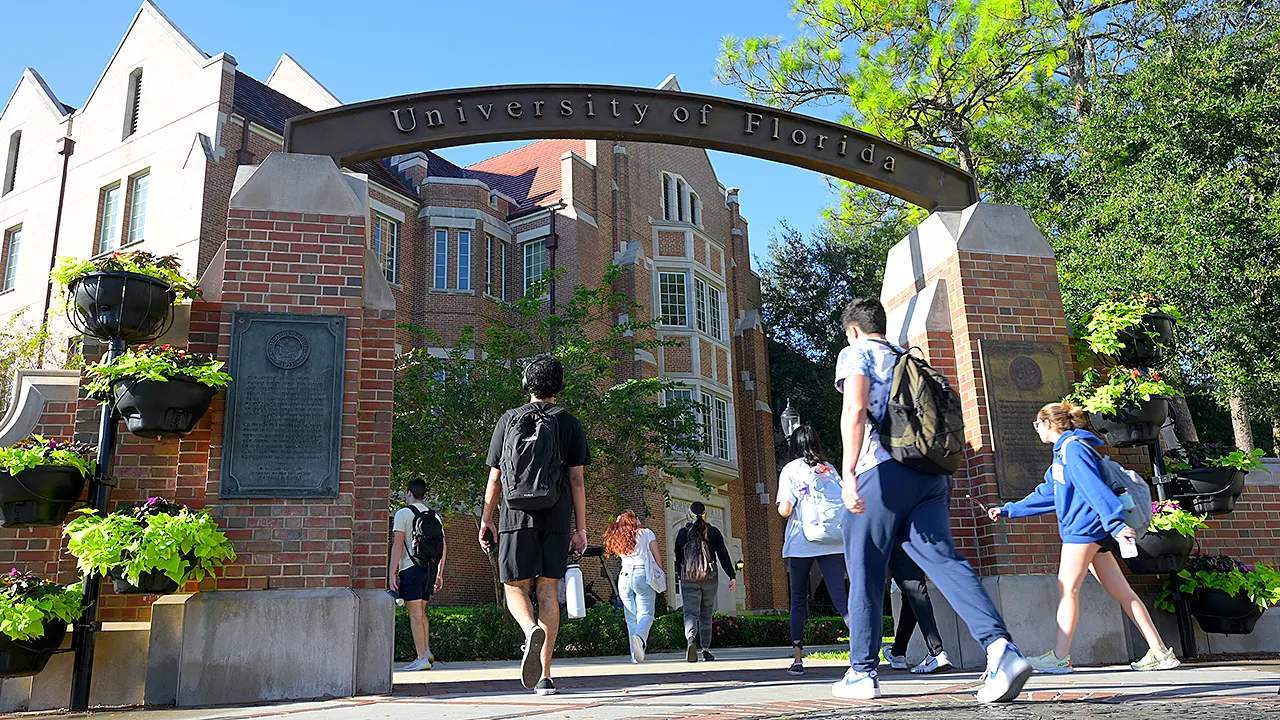
A legal battle is unfolding at the University of Florida, where the College Republicans chapter has filed a lawsuit against the university administration after being disbanded over allegations of antisemitism. The student organization claims the university acted unlawfully by shutting down the club based on accusations from an outside entity that holds no official authority over the group.
The lawsuit represents the latest development in what has become an increasingly contentious relationship between conservative student groups and university administrations across the country. According to court documents, the UF College Republicans assert that proper procedures were not followed in the decision to revoke their official campus status.
Legal experts note that the case highlights ongoing tensions related to free speech and association rights on college campuses. The dispute comes at a particularly sensitive time, as universities nationwide have been grappling with heightened concerns about antisemitism following the October 7 Hamas attack on Israel and subsequent protests that have erupted on many campuses.
“This case isn’t just about one student organization,” said a First Amendment attorney familiar with campus speech issues who requested anonymity due to not being directly involved in the litigation. “It’s about whether universities are following their own rules when they make decisions that impact students’ rights to free association.”
The University of Florida, one of the state’s flagship public institutions with over 50,000 students, has maintained that its decision was based on legitimate concerns about conduct within the organization. University officials have not commented specifically on the pending litigation, citing policy regarding active legal matters.
Florida’s higher education landscape has been particularly active in debates over campus speech and political expression in recent years. Governor Ron DeSantis and the Republican-controlled state legislature have passed several measures aimed at reshaping how political and ideological discussions take place at state universities.
College Republican chapters nationwide have faced increased scrutiny in recent months. The national College Republicans of America organization has been dealing with its own controversies, including backlash over the appointment of a new political director, Kai Schwemmer, who has faced criticism for past controversial comments. The organization has stood by this appointment despite the scrutiny.
This lawsuit emerges against a backdrop of broader educational policy conflicts across the country. In Northern Virginia, school systems have faced misconduct allegations involving students, while in Minnesota, some districts have implemented race-based teacher incentives using taxpayer funds, drawing criticism from conservative groups.
Senator Tim Scott has proposed legislation to bypass teachers unions by sending federal education funding directly to parents if classrooms close, reflecting ongoing tensions between conservative lawmakers and teachers unions. Meanwhile, a leaked teachers’ union K-12 training presentation that criticized the Trump administration and policies in Republican-controlled states has further inflamed these divisions.
In a related development highlighting the intersection of religion and education, Chicago Public Schools recently agreed to allow Bible college students into its teaching program following legal action.
The UF College Republicans’ case will be closely watched by education policy experts, free speech advocates, and other student organizations across the country. The outcome could potentially influence how universities handle similar situations involving student groups accused of controversial speech or behavior.
Legal proceedings are expected to continue in the coming months, with both sides preparing to present their arguments before the court.
Fact Checker
Verify the accuracy of this article using The Disinformation Commission analysis and real-time sources.

14 Comments
This is a concerning case of alleged campus censorship. While antisemitism must be taken seriously, the university should uphold free speech and due process. I hope the courts carefully weigh the facts to ensure the rights of all students are protected.
Agree, this is a complex issue with valid concerns on both sides. Transparency and fairness are crucial when balancing free speech and campus inclusivity.
This is a complex situation with valid concerns on both sides. Universities must balance free expression with maintaining an inclusive environment. I hope the courts carefully review the facts to ensure all students’ rights are protected.
As someone interested in mining and energy, I’ll be curious to see how this case plays out. The allegations of union extremism are concerning, but the university’s actions also raise free speech questions. Nuance and fairness will be key.
Good point. This issue goes beyond just campus politics – it touches on fundamental civil liberties that impact many sectors, including natural resources. The legal outcome could set an important precedent.
Interesting case that touches on the delicate balance between inclusivity and free expression on college campuses. I’ll be curious to see how the courts rule, as the outcome could have broader implications for student organizations across the country.
It’s important to get the full story here. Were proper procedures followed in disbanding the College Republicans chapter? Universities must respect student groups’ rights, even if their views are controversial.
Absolutely, the details and due process will be critical in determining if the university acted appropriately. Free expression is a cornerstone of higher education.
Curious to see how this case unfolds. While combating antisemitism is crucial, universities must also protect free speech and due process. I hope the details are thoroughly examined to ensure a fair outcome for all students.
As someone invested in the mining and energy sectors, I’ll be following this case with interest. The allegations of union extremism are concerning, but the university’s actions also raise red flags around civil liberties. Nuance and impartiality will be key.
As someone following mining and energy news, I’ll be watching this case closely. The free speech implications could set an important precedent, regardless of one’s political views. I hope the facts are fully examined.
This is a complex issue that highlights the ongoing tensions between campus politics and constitutional freedoms. While antisemitism must be taken seriously, the university’s response seems questionable. I hope the courts carefully weigh the evidence to reach a fair conclusion.
Interesting case that highlights the ongoing tensions between conservative student groups and university administrations. While antisemitism is unacceptable, the university’s actions seem questionable. Transparency and due process are critical.
This is a concerning case that raises important questions about free expression on college campuses. Universities must be vigilant against antisemitism, but their actions should also uphold students’ constitutional rights. I’ll be interested to see how the courts rule.