


Listen to the article
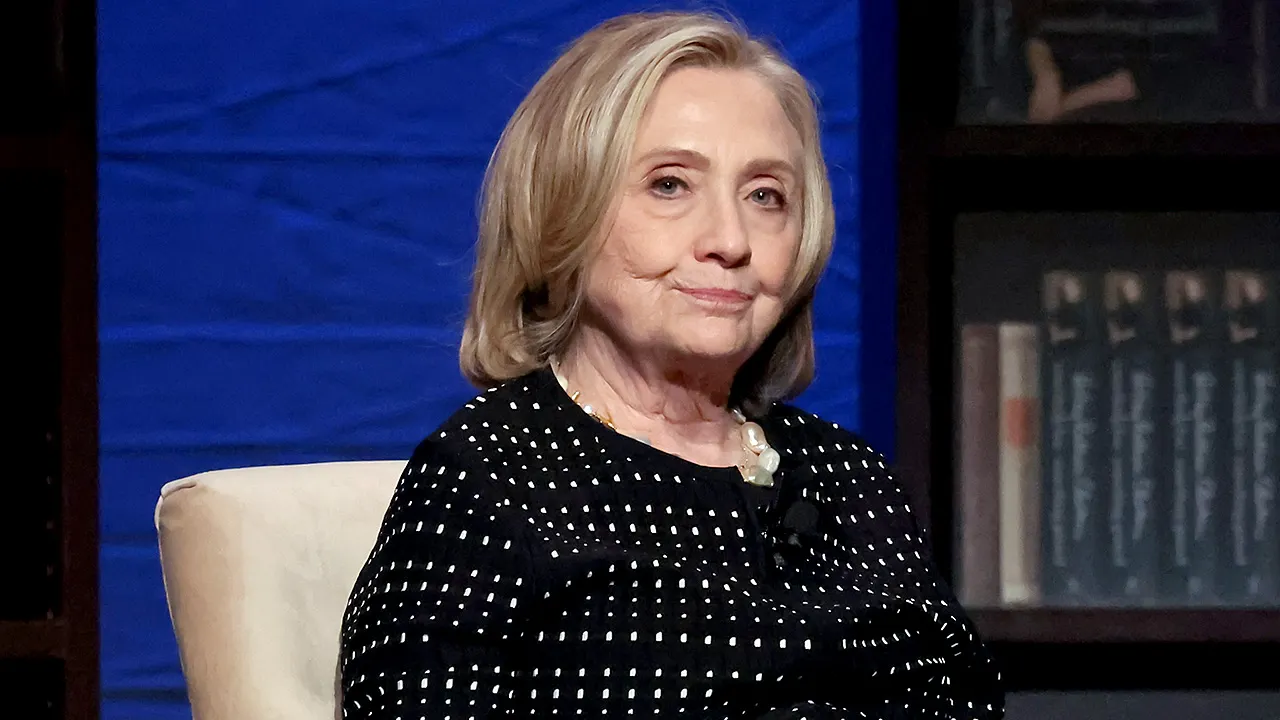
Former Secretary of State Hillary Clinton found herself in a heated exchange with Czech Deputy Prime Minister Petr Macinka during the Munich Security Conference in Germany on Saturday, highlighting tensions over U.S. politics and transatlantic relations.
The clash occurred during a panel discussion on the state of Western democracies, where Clinton delivered pointed criticism of former President Donald Trump’s approach to European relations. When Macinka attempted to defend Trump’s policies, Clinton repeatedly interrupted him and dismissed his arguments.
“First, I think you really don’t like him,” Macinka said, referring to Trump.
Clinton acknowledged the observation without hesitation: “You know, that is absolutely true. But not only do I not like him, but I don’t like what he’s actually doing to the United States and the world, and I think you should take a hard look at it if you think there is something good that will come of it.”
The Czech deputy prime minister continued by suggesting Trump’s popularity stems from a reaction to progressive policies that had alienated average Americans. “What Trump is doing in America, I think that it is a reaction. Reaction for some policies that really went too far, too far from the regular people,” he said.
When pressed for specific examples, Macinka cited what he described as “woke” ideologies, gender theories, and cancel culture that have become contentious issues in American cultural debates. Clinton mockingly characterized his position as opposition to “women getting their rights,” prompting Macinka to suggest her response indicated she was “nervous” about his arguments.
The exchange highlights the deepening polarization not only in American politics but also in transatlantic perspectives on social and cultural issues. European leaders increasingly find themselves taking sides in U.S. political debates, reflecting how American cultural conflicts now reverberate across the Atlantic.
During the same panel, Clinton made notable comments on immigration policy, acknowledging that migration “went too far” and has been “disruptive and destabilizing.” She advocated for a solution that includes “secure borders that don’t torture and kill people” while maintaining strong family structures, which she described as “the base of civilization.”
Clinton’s immigration comments mark an apparent shift from her 2016 presidential campaign positions. While she acknowledged during the conference that physical barriers are appropriate in certain border locations, she had opposed large-scale expansion of a border wall during her campaign against Trump. Instead, she had supported then-President Barack Obama’s executive actions deferring immigration enforcement for millions of undocumented immigrants, particularly children and parents.
The Munich Security Conference, one of the world’s premier forums for international security policy, brings together heads of state, diplomats, and defense officials annually. This year’s gathering comes amid heightened global tensions, with the ongoing Russia-Ukraine conflict and Middle East instability dominating discussions.
Clinton’s participation in the conference reflects her continued engagement in global affairs despite no longer holding formal office. Her clash with Macinka demonstrates how former U.S. officials maintain influence in international forums while continuing to advocate for their policy perspectives.
The exchange also illustrates the complex dynamics between the United States and Central European nations, where political leaders like Macinka have sometimes aligned more closely with Trump’s approach to issues like immigration and cultural policies than with the positions of Democratic leaders.
As the U.S. moves deeper into its election year, such international exchanges offer a window into how American political divisions continue to shape global discussions on security, immigration, and cultural values across traditional diplomatic boundaries.
Fact Checker
Verify the accuracy of this article using The Disinformation Commission analysis and real-time sources.

13 Comments
The Czech deputy PM’s perspective on Trump’s popularity being a reaction to progressive policies is intriguing. It suggests there are complex societal and economic factors at play that need to be better understood.
While I may not agree with Clinton on everything, I respect her willingness to engage in robust debate on these important issues. Maintaining strong transatlantic ties is vital for the future.
The Czech deputy PM’s perspective that Trump’s popularity is a reaction to progressive policies that alienated average Americans is thought-provoking. There seems to be a deep divide that needs to be bridged.
While I don’t share Clinton’s political views, I appreciate her passion in defending her position. Healthy debate on important issues is vital for democracies, even if we don’t always agree.
Well said. Respectful disagreement and open dialogue are essential, even on contentious topics. It will be interesting to see how this exchange shapes the ongoing discussion.
The tensions over US politics and Trump’s impact on the world are clearly still a divisive issue. It will be interesting to see how the relationship between the US and its European allies evolves under the new administration.
I agree, the transatlantic dynamics are complex and it’s important to understand different viewpoints. Constructive dialogue is key to navigating these challenges.
As an observer, I’m struck by the intensity of the clash between Clinton and the Czech leader. It highlights just how divisive and contentious the Trump legacy has become on the global stage.
Interesting clash between Clinton and the Czech leader over Trump’s policies. Seems like a heated debate on the state of Western democracies and transatlantic relations. I’m curious to hear more about the different perspectives on Trump’s approach to Europe.
From the standpoint of the mining and commodities industry, I’m hoping for a return to more stability and predictable policymaking, regardless of political affiliation. Geopolitical tensions can create uncertainty and volatility.
As someone invested in mining and commodities, I’m curious how the shifting geopolitics and US-Europe relations will impact the industry. Stability and predictable policies are important for long-term planning.
As an investor, I’m closely watching how these political dynamics play out and impact the mining and energy sectors. Stable, predictable policies are crucial for long-term planning and investment.
The clash highlights the deep divisions over Trump’s legacy and the future direction of Western alliances. This is an important conversation to have, even if it gets heated at times.