


Listen to the article
Citizen Sleuths Join Journalists in Mining Epstein Files for New Revelations
When the task of sifting through millions of Jeffrey Epstein documents becomes overwhelming, Ellie Leonard steps outside for a brief walk to clear her head. Then it’s back to her computer, diving once more into the massive trove of information.
Leonard, a New Jersey mother of four, represents a growing community of citizen-journalists meticulously combing through materials related to the late sex offender’s illicit network and his connections to global elites. She publishes her findings on Substack, driven by an investigative spirit.
“I like a good puzzle,” Leonard explains. “I like an investigation. I like things that we have to solve and looking for clues.”
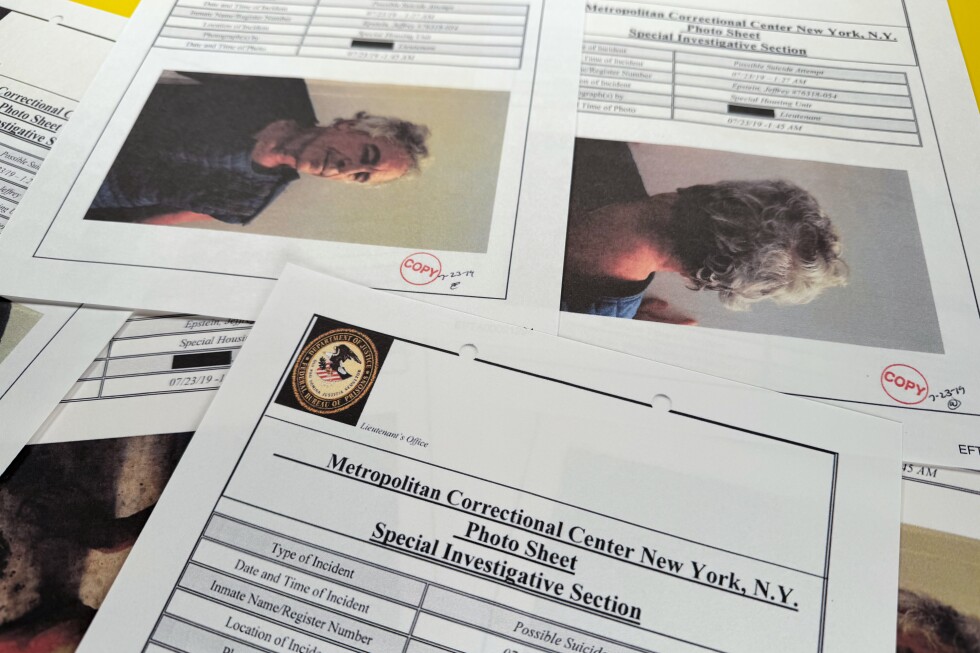
Since the Justice Department released over three million pages of documents and tens of thousands of images on January 30, professional news organizations have mobilized significant resources. The Associated Press, major television networks, and other outlets are collaborating to examine the files. The New York Times alone has dozens of journalists assigned to the task, using artificial intelligence to accelerate their review. Despite these efforts, the Times recently acknowledged having examined only a small percentage of the available material.
This vast information landscape has created space for independent researchers like Leonard to make contributions. The ongoing revelations have already triggered numerous high-profile resignations, including executives at Goldman Sachs, Hyatt Hotels, and major law firms, along with government officials in Slovakia and Norway.
Leonard transitioned to full-time Epstein investigation after noticing strong reader interest in her early coverage. With a background in transcription services—a business rendered largely obsolete by AI—she now devotes her professional energy to analyzing documents that others might overlook.
She describes the thrill of discovering significant documents late at night, such as materials involving lawyer Alan Dershowitz and Virginia Giuffre, who alleged abuse by several Epstein associates. Recent articles have covered a victim’s journal entries and email exchanges between Epstein and Sarah Ferguson.
“I’m putting four kids into the world,” Leonard says, explaining her motivation, “and I don’t want to see something like this happen again.”
The Epstein files have attracted numerous citizen investigators with professional skills. Anne P. Mitchell, a former law professor from Colorado, uses her legal expertise to locate and explain documents in plain language. Her Substack, “Notes From the Front,” serves as a hub for Epstein researchers, offering chat groups and document access to paid subscribers.
Kassandra Mable Costa, who works in marketing in North Carolina, applies her research skills to assist others. She’s helped gather evidence for a campaign seeking to remove former Maine Senator George Mitchell’s name from an elementary school, following revelations about his relationship with Epstein. Mitchell has denied any wrongdoing.
Journalist Wajahat Ali, who runs Left Hook Substack, has observed this phenomenon developing within a broader cultural context. Over the past decade, he’s witnessed the growth of online communities obsessed with true crime who analyze evidence and develop theories. The Epstein files, he says, represent “the mother lode” for such enthusiasts.
“If you love conspiracy theories, if you love true crime, this is the ‘Citizen Kane’ of true crime,” Ali notes. “It is the unfortunately sordid gift that will keep on giving.”
However, the involvement of amateur investigators raises important concerns about verification and responsibility. Matthew LaPlante, a journalism professor at Utah State University, acknowledges the benefits of more citizens developing reportorial skills but warns about the lack of training in fact verification and legal implications of publishing unverified information.
The New York Times has emphasized its commitment to verification, stating: “We don’t publish anonymous information that we can’t verify ourselves.” This standard isn’t universally applied among independent investigators, some of whom share partially redacted videos without context or discuss unproven allegations.
“What is in the files is damaging enough,” Ali cautions. “You don’t need to indulge in conspiracy theories. It would be a disservice to the survivors and would hurt the credibility of what is already there.”
Despite these concerns, the collaborative effort between professional journalists and dedicated citizen researchers continues to uncover new information about Epstein’s network. Mitchell, who is largely homebound due to health issues, expects the full impact of these revelations to unfold over decades.
“I hope I’m around for 15 or 20 years,” she says, “because I really think it’s going to take that long for the full extent of this to be exposed.”
Fact Checker
Verify the accuracy of this article using The Disinformation Commission analysis and real-time sources.

14 Comments
The sheer scale of the Epstein document trove is daunting, but it’s heartening to see that both professional news organizations and engaged citizens are working together to meticulously examine the materials. This collaborative approach could yield significant new insights.
I agree, the public’s involvement is an important complement to the work of professional journalists. By pooling their resources and perspectives, they may be able to uncover details that would otherwise be missed.
It’s good to see that the Epstein documents are being thoroughly examined, both by professional news organizations and engaged citizens. This type of collaborative, multi-faceted approach is crucial for uncovering the full truth.
Absolutely, the more eyes and minds focused on analyzing these materials, the better the chances of uncovering new revelations and connecting the dots.
This is a fascinating story about how citizen journalists are playing a key role in unraveling the complex web of Epstein’s connections and activities. It’s great to see the public getting involved in this important investigation.
I agree, the public’s investigative efforts can complement the work of professional journalists and help shed light on the many unanswered questions around Epstein’s dealings.
While the Epstein case is disturbing, it’s encouraging to see the public taking an active role in the investigation. Citizen sleuths can bring a fresh perspective and uncover details that professional journalists may have missed.
You make a good point. The public’s involvement can help fill in gaps and add valuable context to the reporting on this complex case.
While the Epstein case is deeply disturbing, it’s encouraging to see citizens stepping up to help unravel the complex web of connections and activities. Their investigative efforts could lead to important new revelations.
Yes, the public’s engagement in this investigation is critical. By combining the resources and expertise of professional journalists and citizen sleuths, we may be able to get closer to the full truth.
It’s commendable that citizens are taking an active role in the Epstein investigation, leveraging their investigative skills and passion for the truth. Their contributions could be invaluable in shedding light on this murky case.
Absolutely, the public’s involvement can bring a fresh perspective and uncover details that might otherwise be missed. It’s an important complement to the work of professional journalists.
The scale of the Epstein document trove is daunting, but it’s great to see that both professional journalists and engaged citizens are working together to meticulously comb through the materials. This collaborative approach could yield important new insights.
Agreed, the sheer volume of documents is a major challenge, but the combined efforts of news organizations and the public can help overcome that obstacle.