


Listen to the article
Chicago Transit Authority Boosts Security After Federal Funding Threat
The Chicago Transit Authority (CTA) significantly increased security presence across its public transportation system on Friday following threats from the Trump administration to withhold $50 million in federal funding over concerns about crime rates.
The Chicago Police Department has boosted its daily deployment on the city’s transit network by 56 percent, raising officer numbers from 77 to 120. Additionally, private security K-9 units will increase by 10 percent to 188 teams, creating a more visible security presence throughout the system.
This security surge comes in direct response to a letter delivered Thursday by the Federal Transit Administration (FTA) to CTA President Nora Leerhsen. The letter criticized the agency’s previously submitted crime reduction plan as inadequate and demanded more aggressive measures to improve safety.
Federal officials specifically faulted the CTA for failing to establish progressively decreasing crime targets for each of the next six months. The FTA took issue with the agency’s identical monthly goals for limiting assaults on staff and riders during the January-March period.
“By proposing flat targets for the entire first quarter of the Dec. 15 plan, CTA has failed to set targets showing reductions for ‘each’ month as ordered,” wrote FTA chief Marcus Molinaro in the letter.
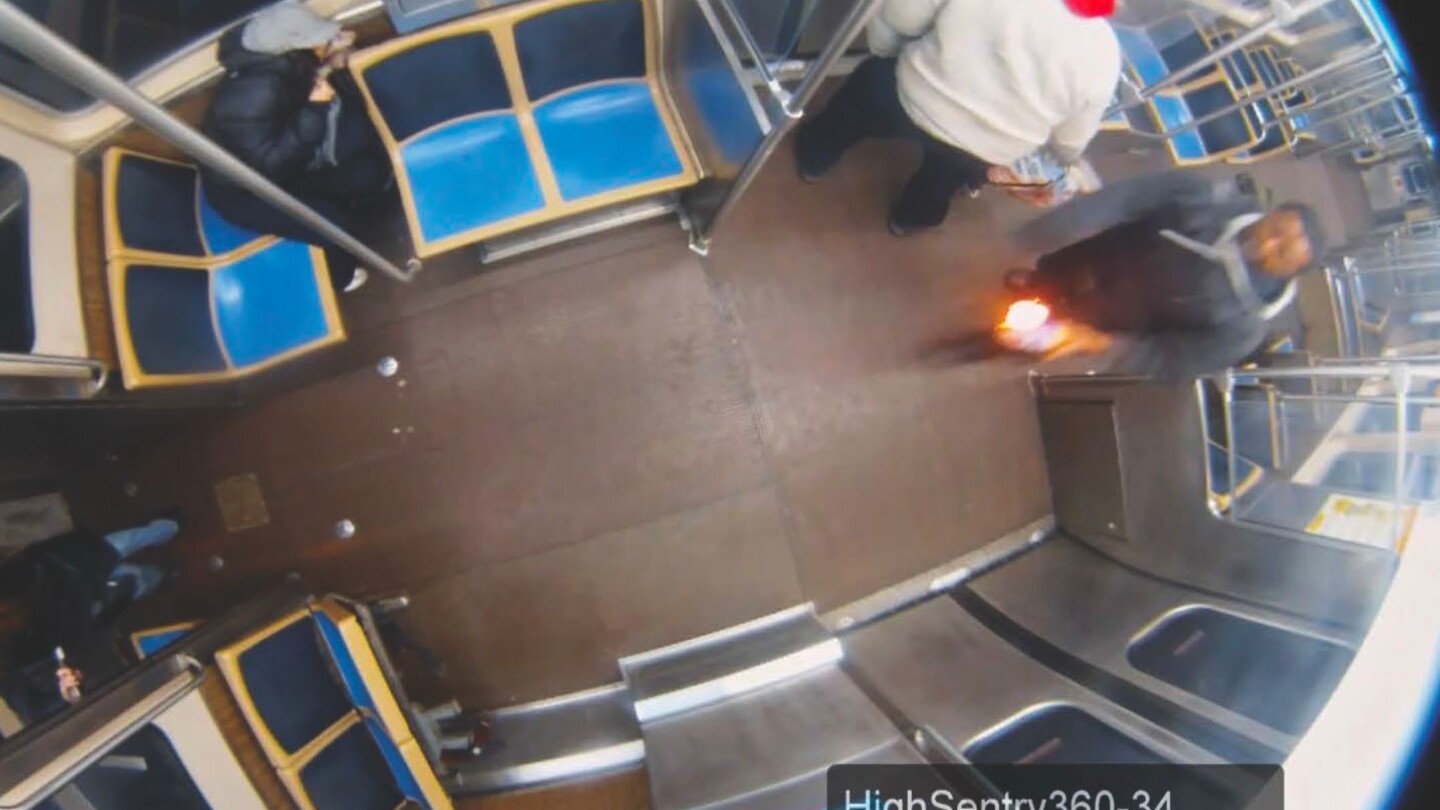
The federal government’s heightened scrutiny follows a horrific November incident where 26-year-old Bethany MaGee was doused with gasoline and set on fire while riding a city L train. Federal prosecutors have charged 50-year-old Lawrence Reed of Chicago with terrorism, which carries a potential life sentence if convicted.
The FTA has given the CTA 90 days to meet federal demands or risk losing the $50 million in funding, a significant blow to the agency’s operations. Molinaro emphasized that the security surge must be implemented immediately to demonstrate “the impact of increased law enforcement presence” in forthcoming crime statistics.
While CTA spokesperson Catherine Hosinski declined to comment on ongoing discussions with federal officials, she noted that the transit system’s budget approved in November included $5 million specifically earmarked for enhanced security measures.
The surge relies heavily on Chicago police officers who volunteer for transit duty during their off days, supplementing the regular police patrols of CTA property. “Chicago police officers are at the core of CTA’s multilayered security strategy,” Leerhsen said in a statement. “We expect the additional police and K-9 presence on our system to further increase security visibility.”
According to police statistics, violent crimes reported at CTA locations in 2025 through Thursday totaled 933 incidents, showing a modest decrease of 18 cases compared to the same period in 2024. While this represents some improvement, federal officials clearly expect more substantial reductions.
The security challenges facing the CTA come amid broader efforts to improve public transportation across Illinois. Earlier this week, Governor JB Pritzker signed a statewide transit overhaul that will inject $1.5 billion annually into public transportation systems throughout Illinois. This legislation includes provisions for long-term safety and security initiatives that could help address the CTA’s ongoing challenges.
The standoff between federal and local transportation authorities highlights growing concerns about safety on public transit systems nationwide, with the federal government increasingly willing to use funding as leverage to demand specific security improvements and accountability measures from local agencies.
Fact Checker
Verify the accuracy of this article using The Disinformation Commission analysis and real-time sources.

11 Comments
This is a complex issue without any easy solutions. I hope the CTA can work closely with the FTA, the Chicago Police Department, and community stakeholders to develop a comprehensive plan that addresses both short-term security needs and longer-term systemic challenges. Transparent communication and a data-driven, evidence-based approach will be crucial.
Well said. Collaboration and a holistic perspective will be key to finding effective, sustainable solutions that improve safety and serve the needs of Chicago’s transit riders and communities. I’m curious to see how this situation evolves in the coming months.
While I understand the federal government’s concerns about crime rates, threatening to withhold funding seems like a heavy-handed tactic that could backfire. The CTA should focus on implementing evidence-based, collaborative strategies to improve transit safety in a way that respects the needs and input of the local community.
It’s concerning to see the federal government using transit funding as leverage to pressure local agencies on crime issues. Public transportation is a vital service, and safety should be a shared priority. I hope the CTA can find a way to address the FTA’s concerns without sacrificing its autonomy or community-oriented approach.
Increased police presence may help deter crime, but more comprehensive strategies are needed to truly improve transit safety. Addressing root causes like poverty, mental health, and lack of opportunity could yield long-term benefits. I’m curious to see what other measures the CTA proposes to meet the FTA’s demands.
That’s a fair point. A holistic approach targeting systemic issues is likely more effective than just boosting enforcement. I hope the CTA can develop a well-rounded plan that balances short-term security needs with longer-term community-based solutions.
Increased security presence may provide a short-term solution, but long-term success will likely require tackling the root causes of crime and violence in Chicago. I’m curious to see if the CTA’s plan includes any initiatives focused on youth development, mental health support, or economic opportunity in addition to law enforcement measures.
That’s a good point. A balanced approach that combines targeted enforcement with broader social interventions could yield more sustainable results. It will be important for the CTA to engage the community and listen to their needs and perspectives as they develop their crime reduction strategy.
While federal funding is important, the threat to withhold it seems like a heavy-handed tactic that could backfire. The CTA should focus on implementing data-driven, evidence-based strategies to improve safety, in collaboration with community stakeholders. Transparent communication and accountability will be key.
This is a concerning development for Chicago’s public transit system. Adequate safety and security for riders should be a top priority, but heavy-handed federal threats to withhold funding are not the right approach. I hope the city and transit agency can work together constructively to address the issues and improve outcomes.
I agree, a collaborative approach focused on data-driven solutions would likely yield better results than political posturing. Public transportation is a vital service, and all stakeholders should have a voice in enhancing safety and security.