


Listen to the article
California Voter ID Initiative Gains Momentum with Half Million Signatures
More than 500,000 California voters have signed a petition to amend the state’s constitution to enforce voter ID laws for all elections, according to leaders of the Californians for Voter ID coalition.
“We are on pace to qualify for the ballot faster than any measure in the history of California,” said Ryan Erwin, lead strategist for the effort. The signature collection began October 1, meaning the group has collected support from over half a million voters in just one month.
California State Senator Tony Strickland, a Republican representing portions of Orange and Los Angeles counties, cited persistent voter integrity concerns as motivation for the initiative. “We had a dog that voted in the last couple elections in Costa Mesa,” Strickland told reporters. “We don’t clean up our voter rolls. There are so many times where people move, college kids go out of state, or people move and they don’t clean up the voter rolls.”
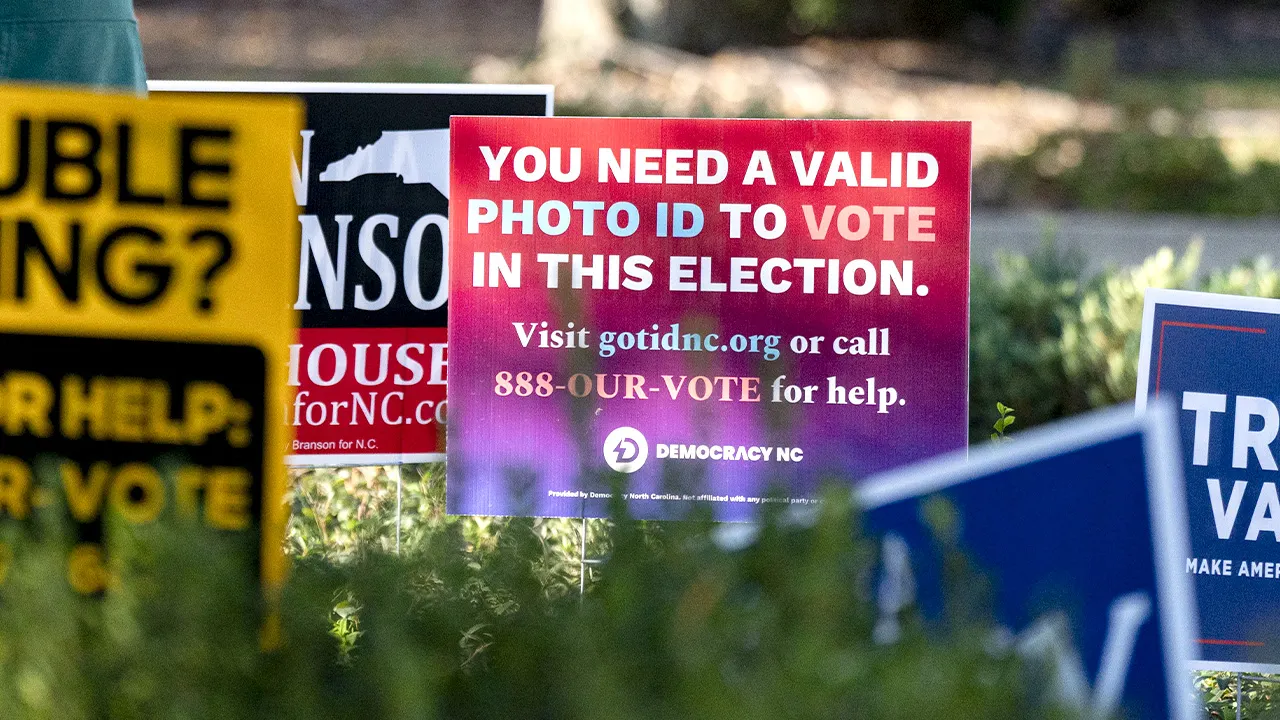
The proposed constitutional amendment would require voters to present government-issued identification before casting ballots in all future California elections. For in-person voting, citizens would need to show a government-issued ID, while mail-in voters would provide the last four digits of a government ID. Additionally, election officials would be required to verify a voter’s citizenship to ensure only legal residents register to vote or receive ballots.
To qualify for the 2026 ballot, the initiative needs 874,641 verified signatures, though organizers are aiming for 1.2 million to account for potential rejections during the verification process. They have until March to secure the required support.
Polling shows approximately 70% of Californians across the political spectrum support requiring identification to vote, according to Erwin. “Voter ID is a commonsense way to build trust in the election process,” he said. “Californians of all political stripes are eager to improve trust in the system by eliminating abuse and errors while protecting every eligible vote.”
The initiative has attracted signatures from all 58 California counties and is currently on track to qualify well ahead of schedule.
Currently, 36 states have some form of voter ID laws on the books, though requirements vary. Democrats have historically opposed such measures, arguing they disenfranchise minority voters, while conservatives maintain they ensure only legal residents cast ballots and strengthen electoral integrity.
Strickland is no stranger to voter ID efforts in California. He previously championed a voter ID ballot initiative in Huntington Beach in 2024 while serving on the city council. Although voters approved the measure requiring identification for local elections, the California Court of Appeals struck down the law in November. If the statewide effort succeeds in 2026, local lawmakers would be compelled to comply with the voter ID requirements.
The initiative comes as California’s voting laws face scrutiny from the Trump administration. White House Press Secretary Karoline Leavitt recently claimed California has the “worst laws for securing elections in the entire nation,” criticizing the state’s lack of photo ID requirements and universal mail-in balloting system.
President Donald Trump has also suggested California is facing a “very serious legal and criminal review” over claims that the state’s special election to redraw congressional district lines was compromised.
The Heritage Foundation, which maintains a database of confirmed voter fraud cases, has documented at least 68 instances in California since 2001, including fraudulent use of absentee ballots, duplicate votes, non-resident voting, and fraudulent voter registration.
California Governor Gavin Newsom has rejected these criticisms, maintaining that the state’s elections are fair and secure. Following the passage of Proposition 50 to redistrict, Newsom accused Trump of trying to “wreck this country” and “light democracy on fire.”
Strickland compared the groundswell of support for the voter ID initiative to California’s 1978 Proposition 13 property tax reform and the successful 2003 recall of Governor Gray Davis—both instances where “the people rose up” when “the legislature was out of touch.”
With grassroots efforts continuing to gather signatures across the state, organizers remain confident that voters will have the opportunity to decide on voter ID requirements in 2026.
Fact Checker
Verify the accuracy of this article using The Disinformation Commission analysis and real-time sources.

10 Comments
The claim about a dog voting raises some eyebrows. I’d like to see more evidence of widespread voter fraud to justify a constitutional amendment on this issue. Reforms should be based on facts, not unsubstantiated anecdotes.
Valid point. Significant changes to election laws require a strong factual basis to ensure they don’t create unnecessary barriers to voting.
Voter ID laws are a complex and often polarizing issue. I hope this initiative in California is approached with nuance and a commitment to protecting the fundamental right to vote, while also addressing valid concerns about election integrity.
Agreed. Any reforms should be carefully balanced to uphold democratic principles without creating unnecessary barriers to participation.
Voter ID laws are a contentious issue, with concerns about accessibility and potential disenfranchisement. I hope any reforms in California are carefully crafted to uphold democratic principles while addressing legitimate integrity concerns.
Well said. Maintaining the balance between secure elections and accessible voting is crucial for the integrity of our democratic process.
Half a million signatures in a month is an impressive feat. This voter ID initiative seems to have significant grassroots support in California. I’ll be curious to see if it gains enough traction to make the ballot.
Interesting to see voter ID legislation gaining traction in California. While voter integrity is important, we need to ensure any reforms don’t disenfranchise eligible voters. I’d be curious to hear more details on the initiative and how it plans to balance these concerns.
Agreed, the devil is in the details when it comes to voter ID laws. It’s critical they are implemented in a way that protects the right to vote for all citizens.
It’s good to see Californians engaged in the political process and advocating for election reforms. However, any changes should be thoroughly vetted to ensure they don’t create undue burdens for voters. I look forward to seeing the full details of this initiative.