


Listen to the article
Boston Police Department Rejects All ICE Detention Requests, Adhering to Sanctuary Law
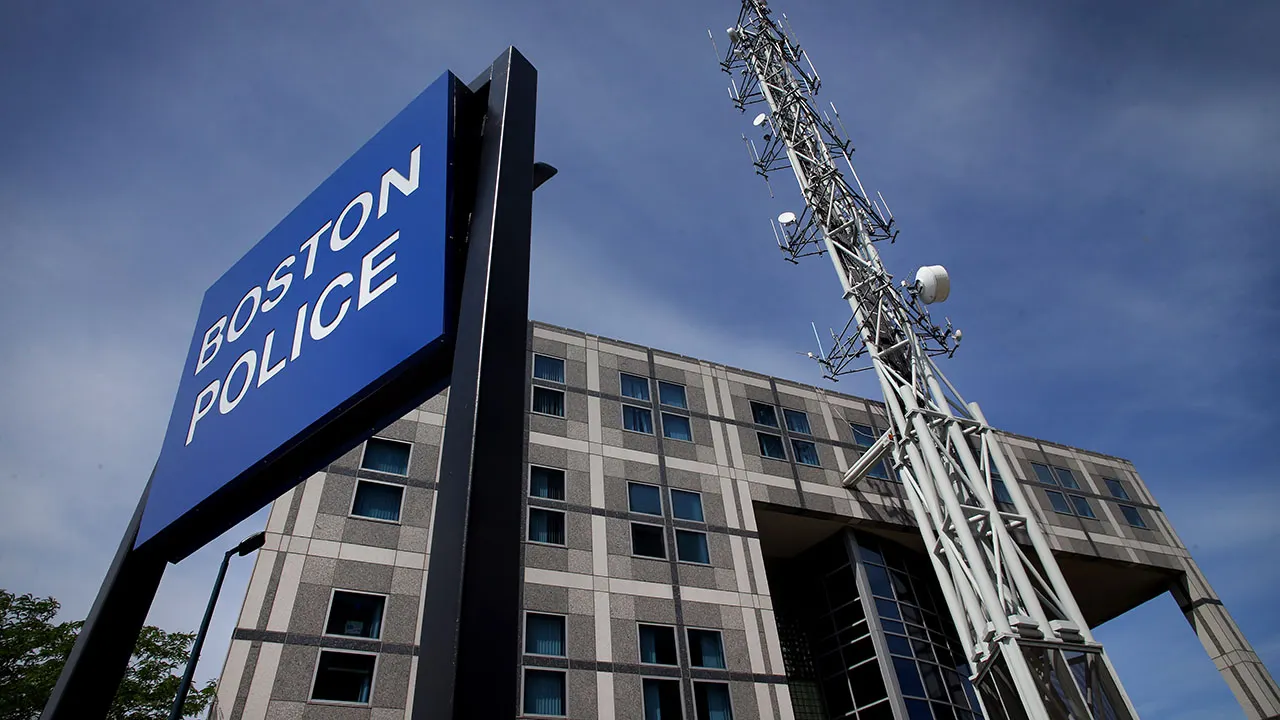
The Boston Police Department rejected all 57 detainer requests submitted by U.S. Immigration and Customs Enforcement (ICE) during the past year, according to a recent disclosure from Police Commissioner Michael Cox. The revelation, detailed in a January 12 letter to City Clerk Alex Geourntas, highlights Boston’s strict adherence to its sanctuary city policies amid growing national tensions over immigration enforcement.
“The department remains committed to complying with the Boston Trust Act, as well as State Law, and to building and strengthening relationships and trust with all our communities across the City,” Commissioner Cox stated in the letter. “Boston’s immigrant communities should feel safe in reporting crime and quality of life issues to the Department.”
The number of ICE detainer requests nearly quadrupled from the 15 filed in 2024, signaling an intensification of federal immigration enforcement efforts in the region. These detainers typically request local authorities to hold individuals beyond their scheduled release date or notify federal agents before release, allowing for transfer to federal custody to begin deportation proceedings.
Each detainer indicated that the Department of Homeland Security had “determined that probable cause exists that the subject is a removable individual,” according to Cox’s letter. However, specific information about the detainees or their alleged crimes was not disclosed.
Boston’s Trust Act, reaffirmed by the City Council in December 2025, explicitly prohibits local law enforcement from detaining individuals solely on the basis of an ICE request. This policy places Boston among numerous “sanctuary jurisdictions” nationwide that limit cooperation between local police and federal immigration authorities.
The policy has become a flashpoint in the broader national immigration debate. Critics argue that sanctuary policies create public safety risks by releasing individuals who may have been charged with or convicted of crimes back into communities, where some have allegedly reoffended. Supporters counter that such policies are essential for maintaining community trust in law enforcement and ensuring immigrant communities feel safe reporting crimes.
The Trump administration has taken legal action against Boston over its sanctuary policies, part of a broader effort to compel local cooperation with federal immigration enforcement. This tension between federal and local authorities reflects the deeply polarized national discourse on immigration policy.
Boston Mayor Michelle Wu has consistently defended the city’s approach to immigration enforcement, positioning Boston as a welcoming community for immigrants regardless of status. The administration maintains that public safety is best served when all residents trust local police enough to report crimes and participate in community policing efforts.
The relationship between local law enforcement and federal immigration authorities has grown increasingly complex in recent years, with many major urban centers adopting policies similar to Boston’s. These approaches represent significantly different philosophies about the proper role of local police in immigration enforcement and the balance between public safety and community trust.
As national immigration policy continues to evolve under changing administrations, cities like Boston find themselves at the center of a fundamental debate about federalism, local autonomy, and the practical implementation of immigration laws in diverse communities.
The Boston Police Department’s consistent rejection of ICE detainers illustrates how deeply entrenched sanctuary policies have become in certain jurisdictions, creating parallel and sometimes conflicting approaches to immigration enforcement across the United States.
Fact Checker
Verify the accuracy of this article using The Disinformation Commission analysis and real-time sources.

14 Comments
Boston’s stance on rejecting all ICE detainer requests is a bold move that aligns with its sanctuary city status. However, the potential implications for public safety and cooperation with federal agencies warrant close observation and dialogue between all stakeholders.
Interesting to see Boston’s unwavering commitment to its sanctuary city status, even in the face of increased ICE detainer requests. This decision reflects the complexities of balancing public safety, civil liberties, and the needs of immigrant communities.
This is a complex issue with valid concerns on both sides. While sanctuary policies aim to build trust with immigrant communities, there are also public safety considerations around immigration enforcement. It will be interesting to see how this plays out in Boston and nationally.
Boston’s unwavering adherence to its sanctuary city policies, even in the face of heightened ICE detainer requests, reflects the complex and contentious nature of this issue. Evaluating the real-world impacts on public safety and community trust will be crucial going forward.
Boston’s stance on rejecting all ICE detainer requests demonstrates the city’s strong support for its immigrant communities. However, the potential consequences for public safety and cooperation with federal agencies deserve careful consideration as this issue progresses.
Strict adherence to sanctuary city policies, even in the face of increased ICE detainer requests, demonstrates Boston’s commitment to its immigrant communities. However, the public safety implications warrant careful consideration as this issue continues to evolve.
Interesting development in Boston’s sanctuary policy. Curious to see if this approach impacts public safety and cooperation with federal authorities. There are reasonable arguments on both sides of this debate.
The Boston Police Department’s refusal to comply with ICE detainer requests is a bold stance that aligns with the city’s sanctuary policies. As this issue continues to evolve, it will be crucial to monitor the impacts on public safety and community trust.
Interesting to see Boston’s continued commitment to its sanctuary city status, even as ICE detainer requests have increased. This reflects the ongoing tensions between federal immigration enforcement and local policies aimed at protecting immigrant communities.
Boston’s rejection of all ICE detainer requests is a significant development in the sanctuary city debate. As this issue continues to unfold, it will be important to closely examine the implications for public safety, community trust, and cooperation with federal authorities.
The rise in ICE detainer requests in Boston suggests heightened immigration enforcement efforts. The city’s refusal to comply with these requests, citing sanctuary laws, reflects the ongoing tensions between federal and local authorities on this complex issue.
It will be crucial for Boston to balance public safety with its sanctuary city policies. Careful monitoring of any impacts, both intended and unintended, will be important going forward.
The Boston Police Department’s stance on rejecting ICE detainer requests demonstrates the city’s strong commitment to its sanctuary policies. However, the public safety considerations and potential impacts on federal-local cooperation warrant close monitoring as this issue evolves.
The Boston Police Department’s rejection of ICE detainer requests highlights the ongoing debate between federal immigration enforcement and local sanctuary policies. Evaluating the real-world impacts on public safety and community trust will be crucial as this issue continues to evolve.