


Listen to the article
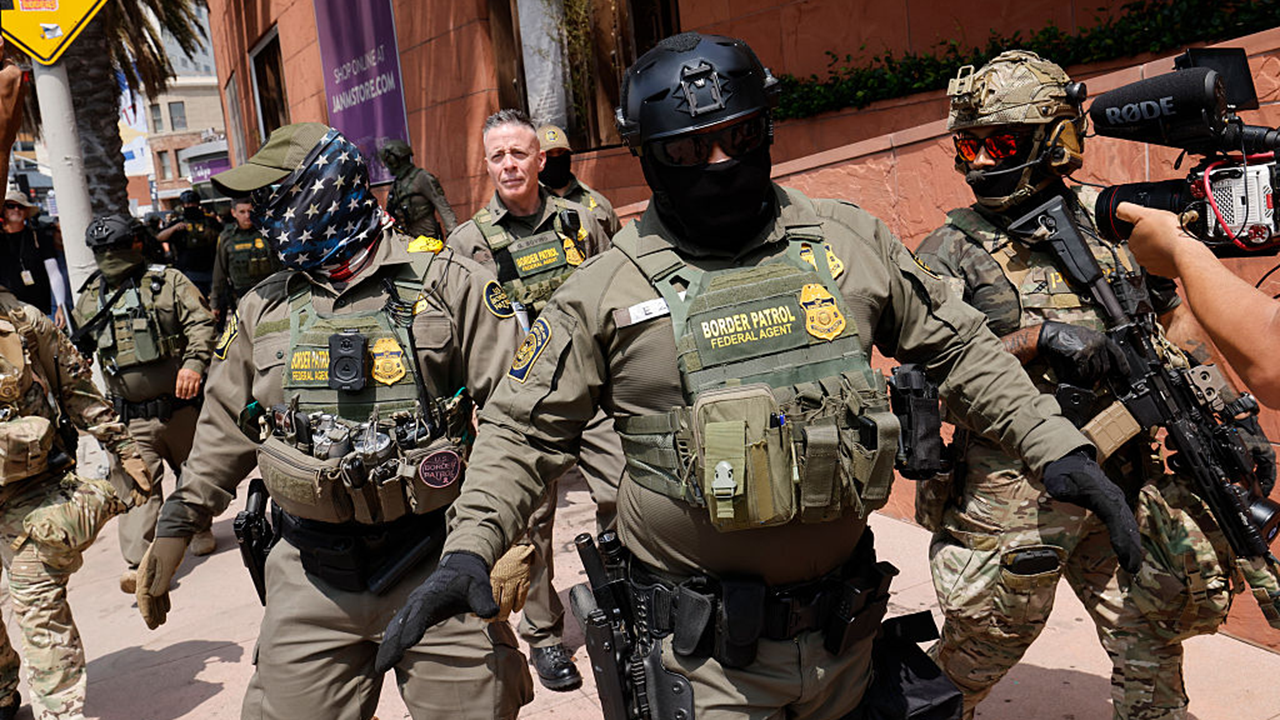
In a show of resilience amid heightened scrutiny, Border Patrol officers remain committed to nationwide deportation operations despite facing intense criticism and protests, according to National Border Patrol Council President Paul Perez.
“We’ve got plenty of agents that are willing to go out there to help because they see the challenges that our ICE officers and law enforcement partners are facing,” Perez told Fox News Digital in a recent interview. “They’re very well-trained, they’re very eager, they are patriotic, and they want to do their duty to secure the border and help secure America.”
While Border Patrol agents typically focus on the southwestern border, Perez noted there has been “no shortage of volunteers” for deployments to interior cities including Minneapolis, Portland, and Los Angeles. These operations represent an expansion of their traditional role, as Immigration and Customs Enforcement (ICE) officers are primarily responsible for interior removals.
The expanded enforcement operations come after what Perez described as four years of lax border policies under the Biden administration, which he claims allowed millions of migrants to enter and disperse throughout the country with minimal vetting.
“Unfortunately, you throw a dart at the map, and it’s very likely that some of the people that Biden let in are there,” Perez explained. “There’s just so many people that were let in, to the tune of millions of people, and they were interspersed throughout the United States.”
A particular challenge facing agents is the lack of reliable documentation on many immigrants who entered during the previous administration. Perez contends this was by design: “A lot of these people weren’t required to put information that we could vet because the administration wanted them out quick.”
The deportation operations have faced significant opposition in several cities, particularly Minneapolis, where protesters have confronted federal agents. The Department of Homeland Security reported that ICE agents had their vehicles rammed and were “aggressively assaulted” during enforcement activities in the city.
These confrontations highlight the intensely polarized nature of immigration enforcement. While supporters view the operations as necessary for public safety, critics argue they sow fear in immigrant communities and often lack appropriate oversight or discretion.
Perez acknowledged that the heated rhetoric has affected agents’ families, citing concerns about doxing and escalating protests. “The rhetoric coming from the left, it does impact our families because of the doxing and the protesters thinking that it’s okay because politicians are asking them to protest,” he said.
Despite these challenges, Perez maintains that agent morale remains high, bolstered by what he perceives as increased public and administrative support for their mission. “We’ve got more support now than we’ve ever had,” he claimed.
Border Patrol and ICE have emphasized that their operations target individuals with criminal histories. “From the human aspect, we know the type of people that we’ve come across, and we don’t want them in the cities and communities of America because we know the damage they can cause,” Perez said. “We’ve got so many murderers, rapists, burglars, robbers, and we want to get them out of our country.”
The current operations represent a significant shift in immigration enforcement priorities from the previous administration. While the Biden administration had instructed agents to focus primarily on recent border crossers and individuals who posed national security or public safety threats, the current approach appears to cast a wider enforcement net.
Immigration experts note that the effectiveness of these operations remains difficult to assess, as removal statistics are not yet publicly available, and the operational costs of nationwide deployments are substantial.
For Perez and the agents he represents, the mission transcends politics: “Our Border Patrol agents live in the communities that they serve, the communities that they patrol and protect. And so, when we go out into other municipalities across the country, we take that into account because that is somebody else’s home, that’s somebody’s city that they live in, and we want them to be safe.”
Fact Checker
Verify the accuracy of this article using The Disinformation Commission analysis and real-time sources.

14 Comments
The claim of ‘lax border policies’ under the Biden administration is a rather partisan assessment. I’d be curious to see more objective data on border crossings and enforcement metrics to get a fuller picture.
Regardless of one’s political leanings, it’s important to strive for balanced and fact-based reporting on these complex immigration issues.
While the Border Patrol agents’ patriotism and eagerness to secure the border is understandable, the confrontations with protesters raise concerns about potential civil liberties issues. Maintaining public trust will be crucial.
It’s a delicate balance between border enforcement and respecting the right to peaceful protest. Careful oversight and de-escalation tactics may be needed.
The deployment of Border Patrol agents to interior cities for immigration enforcement is a notable development. I wonder how this will impact local law enforcement relationships and community dynamics.
Coordination and communication between federal, state, and local authorities will be essential to ensure these operations are carried out effectively and transparently.
While the Border Patrol Union Chief’s comments suggest a motivated and committed workforce, the confrontations with protesters are concerning. Maintaining public trust and respecting civil liberties should be a top priority.
Balancing border security and civil rights is an ongoing challenge. Transparent policies, de-escalation training, and community engagement may help address these tensions.
Interesting to hear the Border Patrol Union Chief’s perspective on the high morale and willingness of agents to assist with interior enforcement operations. It suggests a dedication to their duties despite the criticism and challenges they face.
The expanded role beyond the southwestern border is certainly noteworthy, as it represents a shift in priorities and deployment. It will be worth watching how this plays out.
The claim of ‘millions of migrants’ entering the US and dispersing throughout the country under the Biden administration seems quite high. I’d want to see solid data to back up that assertion before drawing conclusions.
Rhetoric around immigration tends to be highly politicized, so it’s important to approach these issues with nuance and objectivity.
The expanded role of Border Patrol agents in interior enforcement operations raises questions about the appropriate scope and oversight of these activities. Careful consideration of legal and ethical boundaries will be crucial.
Immigration policy is a complex and often divisive issue. Objective analysis and open dialogue from all stakeholders will be essential in navigating these challenges.