


Listen to the article
National Security Concerns Rise as Recent Attacks Linked to Naturalized Citizens
The United States faces growing security vulnerabilities from naturalized citizens with potential ties to foreign extremist groups, highlighting a constitutional conundrum where the very freedoms America cherishes may be exploited, according to national security experts.
“That’s partially because of legal reasons: They can’t just monitor constitutionally protected free speech and opinions after they become a naturalized citizen, indefinitely, just to keep tabs on them,” Ryan Mauro, president of the Mauro Institute, told Fox News. “They legally can’t do it, and they also don’t have the resources to do it.”
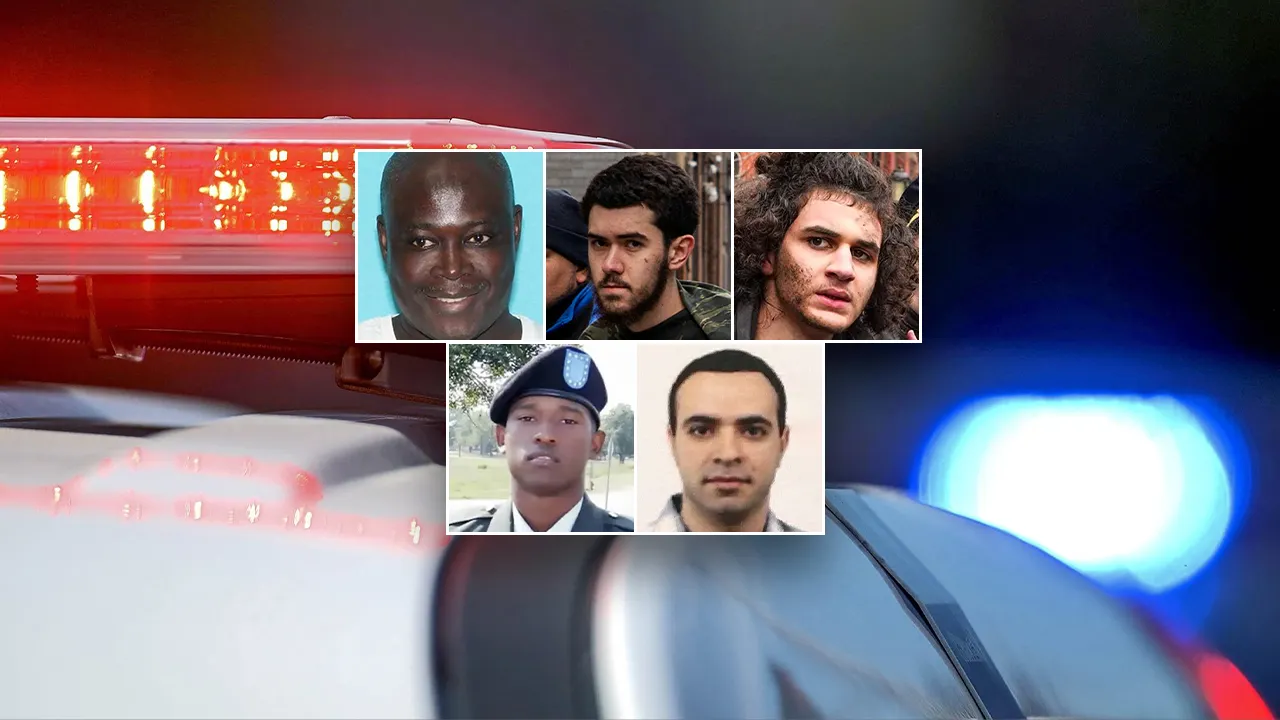
This security dilemma has come into sharp focus following four attacks in March connected to naturalized citizens or their children. The incidents include a bar shooting in Austin, Texas on March 1; an attempted bombing in New York City on March 7 (where the suspects’ parents were naturalized citizens); a shooting at Old Dominion University on March 12; and an attack on a synagogue in West Bloomfield, Michigan, also on March 12.
Security analysts point to competing extremist factions attempting to demonstrate their relevance amid ongoing conflicts in the Middle East.
“There’s a bit of a jihad olympics going on, which is where you have the Sunni radicals like ISIS competing with the Shiite radicals of the Iranian regime,” Mauro explained. “They need attention in order to survive and in order to settle the argument of who has Allah’s blessing so that they can trigger the apocalypse.”
The incidents have intensified debates about the citizenship revocation process during the second Trump administration. Current U.S. policy states that “a person is subject to revocation of naturalization if the person becomes a member of, or affiliated with, the Communist party, other totalitarian party, or terrorist organization within five years of his or her naturalization.”
However, implementing such policies presents significant legal challenges, particularly in defining what constitutes “membership” or “affiliation” with terrorist organizations. The constitutional protection of free speech creates a complex environment where expressing sympathy for extremist viewpoints may not meet the threshold for citizenship revocation.
The Old Dominion University shooting highlighted these concerns when it was revealed that the shooter, Mohamed Bailor Jalloh, had a prior conviction related to ISIS and had been released early from prison before the attack.
The Austin bar shooting was reportedly carried out by an Iran sympathizer seeking to retaliate after Israel’s actions against Iranian leadership. Meanwhile, the attempted bombing in New York involved two individuals, Emir Balat and Ibrahim Kayumi, who resided in Bucks County, Pennsylvania.
In Michigan, surveillance footage captured Ayman Mohamad Ghazali purchasing more than $2,000 worth of fireworks days before the March 12 synagogue attack, raising questions about threat monitoring and prevention.
Mauro noted that his institute operates with more flexibility than federal agencies in monitoring potential threats. “That’s why I personally have set up a civilian intelligence team that does do that type of thing,” he said. “Whereas the government has to be very careful not to launch investigations based off of just a mere suspicion or an unpopular opinion, civilians are free to comb through social media and just find people and report them.”
Even when individuals express support for terrorist organizations, the legal framework remains challenging. “You would think, oh, at that point you can revoke it and just get rid of the people because that would make sense, but the question is membership and affiliation,” Mauro explained. “There’ll be a lot of headaches just over those words. At what point does it go from, oh, I agree with them, versus actually being affiliated with them as like a unit?”
The recent string of attacks has prompted calls for enhanced vetting procedures and raised questions about the balance between national security interests and constitutional protections. While some advocate for stricter monitoring, others emphasize the importance of preserving civil liberties even in the face of potential threats.
When contacted for comment, the State Department redirected inquiries to the FBI and Department of Homeland Security, highlighting the complex interagency approach to addressing these security challenges.
Fact Checker
Verify the accuracy of this article using The Disinformation Commission analysis and real-time sources.

14 Comments
This is a concerning trend that requires careful consideration of security vulnerabilities while upholding core American values of freedom and equality. Balancing public safety and civil liberties is always a delicate challenge.
You raise a valid point about the constitutional constraints on monitoring naturalized citizens. Addressing this issue will require nuanced policymaking to enhance security without infringing on fundamental rights.
The security vulnerabilities highlighted in this article are certainly concerning, but we must be cautious about knee-jerk reactions that could erode the fundamental freedoms and principles of equality that define this country.
I agree. Any policy responses need to be grounded in evidence and implemented in a way that upholds the rule of law and the rights of all citizens, regardless of their place of origin.
These incidents underscore the need for a comprehensive, evidence-based approach to addressing security risks without resorting to stereotyping or discrimination. Maintaining public safety while upholding civil liberties is an ongoing challenge.
Well said. Any policy responses must be carefully crafted to avoid infringing on the rights of naturalized citizens or creating an atmosphere of mistrust and division.
The security concerns raised in this article are understandable, but any policy responses must be crafted with great care to avoid infringing on the rights and freedoms of naturalized citizens. Upholding the principles of equality and due process is essential.
I concur. Overreacting or implementing overly broad measures could erode the very foundations of American democracy that we seek to protect.
The attacks linked to naturalized citizens highlight complex national security concerns. While protecting the public is crucial, we must be vigilant not to erode the principles of due process and equal treatment under the law.
I agree, finding the right balance is critical. Overreacting could undermine the very values that make America strong and free.
This is a complex issue that requires nuanced policymaking to enhance security without compromising civil liberties. Balancing public safety and constitutional protections is an ongoing challenge that demands careful consideration of all perspectives.
Well stated. Maintaining the delicate balance between security and freedom is crucial to preserving the values that make America a beacon of democracy.
This is a challenging issue that requires a measured, evidence-based approach. While public safety is paramount, we must be vigilant not to undermine the civil liberties and equal treatment that are the bedrock of American society.
Absolutely. Any policy responses should be carefully crafted to enhance security without infringing on the fundamental rights and protections afforded to all citizens, regardless of their origin.