


Listen to the article
At least 16 files mysteriously vanished from the Justice Department’s public webpage containing documents related to Jeffrey Epstein within 24 hours of their initial posting, with no explanation or public notification. Among the disappeared files was an image showing former President Donald Trump alongside Epstein, Melania Trump, and Ghislaine Maxwell.
The Justice Department offered no specific reason for the removal but stated on social media platform X that “photos and other materials will continue being reviewed and redacted consistent with the law in an abundance of caution as we receive additional information.”
This unexplained removal has fueled speculation and intensified concerns about transparency in the high-profile case. Democrats on the House Oversight Committee publicly questioned the disappearance, writing on X: “What else is being covered up? We need transparency for the American public.”
The episode adds to mounting frustrations regarding the Justice Department’s much-anticipated document release related to Epstein. Despite releasing tens of thousands of pages, the initial disclosures have offered limited new insights into Epstein’s crimes or the prosecutorial decisions that allowed him to avoid serious federal charges for years.
Notably absent from the release are FBI interviews with survivors and internal Justice Department memos on charging decisions—documents that could have provided crucial context about how investigators viewed the case and why Epstein was permitted to plead guilty to a relatively minor state-level prostitution charge in 2008.
The records, released under a recently passed Congressional mandate, contain minimal references to several powerful figures long associated with Epstein, including Britain’s former Prince Andrew. This has renewed questions about the thoroughness of investigations and the completeness of the public disclosures.
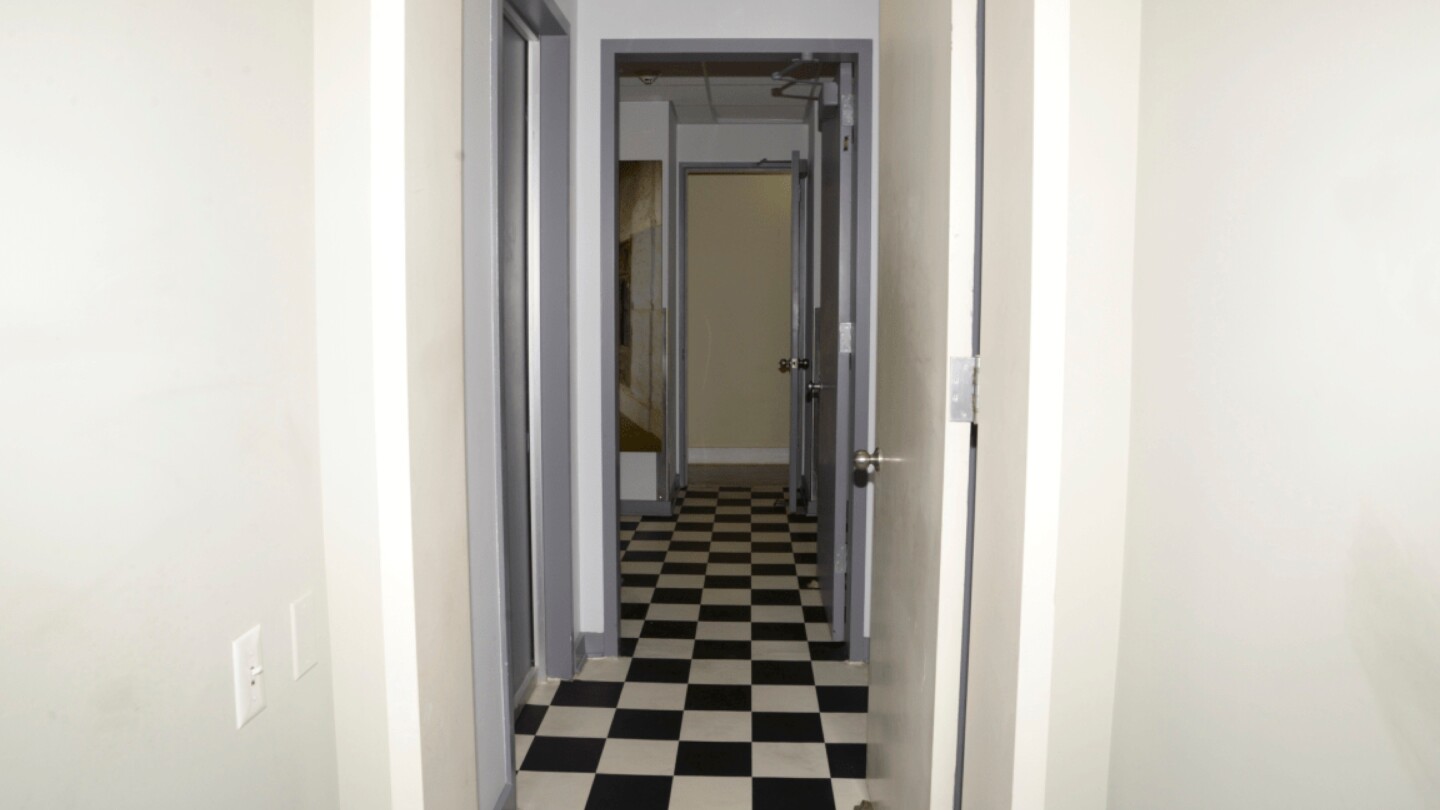
Among the newly revealed information was insight into the Justice Department’s decision to abandon an investigation into Epstein in the 2000s and a previously unseen 1996 complaint accusing Epstein of stealing photographs of children. The releases have featured numerous images of Epstein’s properties in New York City and the U.S. Virgin Islands, along with photographs of various celebrities and politicians.
Several never-before-seen photos of former President Bill Clinton were included, but images of Trump were notably scarce. Both former presidents have been associated with Epstein in the past but have since disavowed those relationships. No evidence in the released materials suggests either was involved in any wrongdoing connected to Epstein.
Despite Congress setting a Friday deadline for full disclosure, the Justice Department announced plans to release records on a rolling basis, citing the time-consuming process of redacting survivors’ names and identifying information. No timeline has been provided for when additional records might be released.
This approach has angered Epstein’s accusers and members of Congress who fought for the transparency law. “I feel like again the DOJ, the justice system is failing us,” said Marina Lacerda, who alleges Epstein began sexually abusing her at his New York mansion when she was 14.
Many of the documents released so far lack crucial context or contain heavy redactions. For instance, a 119-page document marked “Grand Jury-NY,” likely from federal sex trafficking investigations that led to charges against Epstein in 2019 or Maxwell in 2021, was entirely blacked out.
The most substantive records released thus far reveal that federal prosecutors appeared to have built a strong case against Epstein in 2007 yet never charged him. Newly released grand jury transcripts include testimony from FBI agents who described interviews with several girls and young women who reported being paid to perform sex acts for Epstein, with the youngest victim being 14 years old.
In a transcript of a Justice Department interview conducted years later, former U.S. Attorney Alexander Acosta, who oversaw the case and later served as Trump’s Labor Secretary, cited concerns about whether a jury would believe Epstein’s accusers and suggested the case might have been viewed as more appropriate for state prosecution.
Jennifer Freeman, an attorney representing Epstein accuser Maria Farmer, described the document release as “a triumph and a tragedy,” adding, “It looks like the government did absolutely nothing. Horrible things have happened and if they investigated in even the smallest way, they could have stopped him.”
Fact Checker
Verify the accuracy of this article using The Disinformation Commission analysis and real-time sources.

10 Comments
This is concerning, as transparency around the Epstein case is crucial for public trust. The disappearance of these files raises red flags and warrants a thorough explanation from the DOJ.
This is a troubling development that warrants close scrutiny. The American public has a right to know what happened to these documents and why they were taken down.
Absolutely. Transparency and accountability must be the guiding principles in high-profile cases like this. The DOJ owes the public a full explanation.
The removal of these files, including a photo of Trump and Epstein, is highly concerning. The DOJ must provide a clear rationale for these actions to maintain credibility.
I’m curious to know more about the specific contents of the disappeared files and the reasoning behind their removal. Redactions may be warranted, but the lack of transparency is troubling.
Agreed. The public deserves a clear justification for why these files were taken down, especially given the high-profile nature of the Epstein case.
Losing files related to such a high-profile investigation is unacceptable. The DOJ needs to provide a detailed, credible explanation for the disappearance of these documents.
This episode raises serious questions about the DOJ’s handling of the Epstein case. Transparency and accountability should be paramount, and the public deserves answers.
Well said. The disappearance of these files only fuels suspicion and undermines public trust in the investigation. Prompt and thorough explanations are needed.
The disappearance of these files is deeply concerning and raises serious questions about the DOJ’s commitment to openness and transparency. The public deserves answers.