


Listen to the article
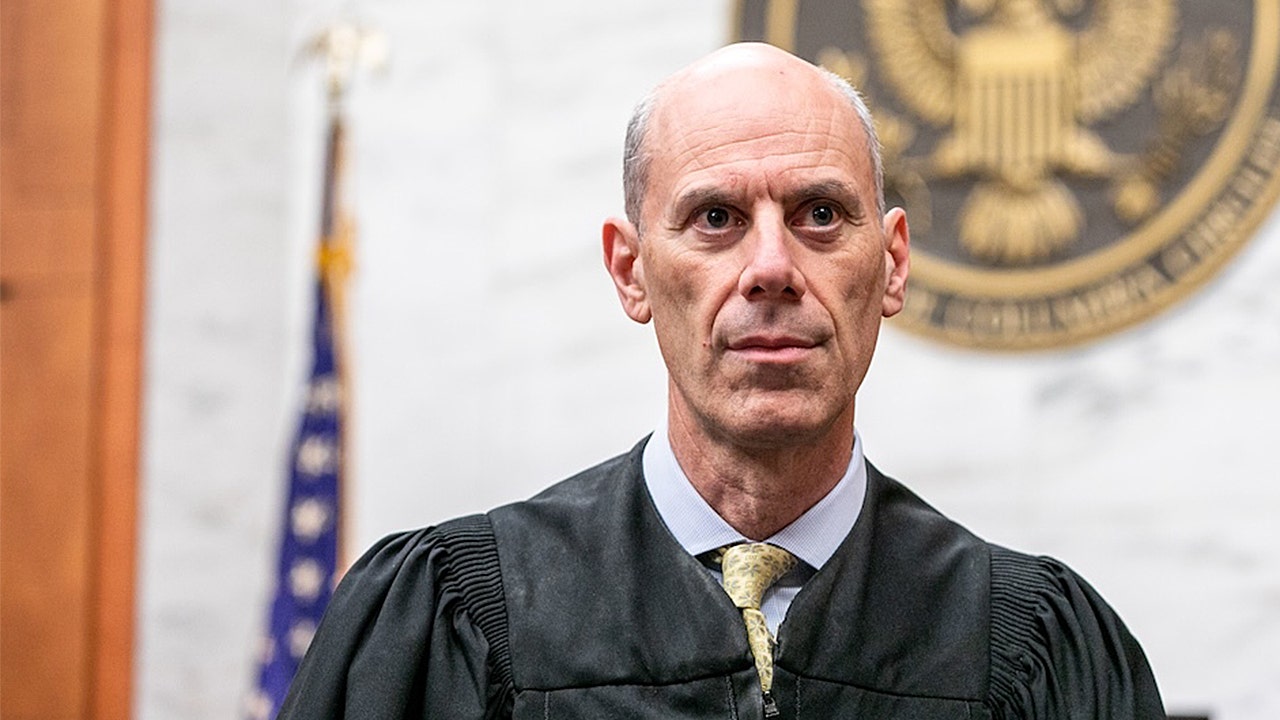
A federal appeals court has dismissed a Justice Department misconduct complaint against U.S. District Judge James Boasberg, according to court documents revealed this week. Chief Judge Jeffrey S. Sutton of the Sixth Circuit Court of Appeals issued the dismissal on December 19, though the ruling only came to light this weekend.
The Justice Department had alleged misconduct based on comments Boasberg reportedly made at a judicial conference, where he suggested the Trump administration would trigger a “constitutional crisis” by disregarding federal court rulings. These remarks allegedly came just days before Boasberg issued an order blocking deportation flights.
In his ruling, Sutton criticized the government’s complaint for lacking evidence and proper context. “A recycling of unadorned allegations with no reference to a source does not corroborate them. And a repetition of uncorroborated statements rarely supplies a basis for a valid misconduct complaint,” he wrote.
The dismissal comes amid escalating tensions between the judicial branch and the incoming Trump administration. The White House recently confirmed its support for the Senate Judiciary Committee’s impeachment inquiry targeting Boasberg and another judge Republicans have characterized as “activist.”
“Left-wing, activist judges have gone totally rogue,” a White House official told Fox News Digital. “They’re undermining the rule of law in service of their own radical agenda. It needs to stop. And the White House fully embraces impeachment efforts.”
The official added that President Donald Trump must be permitted to “lawfully implement the agenda the American people elected him on,” arguing that judges who issue what they consider partisan rulings have “abused their offices and forfeited their claim to impartiality.”
Boasberg has become a focal point for Republican criticism over several controversial rulings related to Trump-era immigration policies. His decisions have included cases involving the transfer of migrants to countries like El Salvador rather than holding them in U.S. detention facilities.
More recently, Boasberg faced intense scrutiny from GOP lawmakers after reports emerged that he had approved warrants in former special counsel Jack Smith’s “Arctic Frost” investigation. These warrants allowed investigators to obtain phone records connected to some Republican lawmakers, further fueling accusations of judicial overreach.
The judge first faced articles of impeachment in March 2025 for preventing the administration from deporting certain undocumented immigrants under the Alien Enemies Act. A second impeachment effort was launched in November specifically related to his decisions in the Arctic Frost investigation.
This case highlights the growing political polarization surrounding the federal judiciary. Legal experts note that judicial independence has traditionally been a cornerstone of American democracy, with judges expected to make rulings based on legal precedent rather than political pressure.
Critics of the impeachment efforts argue that targeting judges for their legal decisions sets a dangerous precedent that could undermine judicial independence. Supporters counter that judges who consistently rule against administration policies are effectively legislating from the bench and exceeding their constitutional authority.
The Senate Judiciary Committee’s impeachment inquiry represents a significant escalation in this ongoing tension between the branches of government. Such proceedings against federal judges are relatively rare in American history, typically reserved for cases involving clear misconduct rather than disagreement with legal interpretations.
As the Trump administration prepares to take office, this dismissal suggests the legal battles over judicial authority and immigration enforcement are likely to intensify in the coming months, potentially reshaping the relationship between the executive and judicial branches.
Fact Checker
Verify the accuracy of this article using The Disinformation Commission analysis and real-time sources.

8 Comments
As an investor in mining and energy equities, I’m curious to see if this ruling has any impact on the regulatory environment or policy decisions that could affect those sectors. Maintaining a stable, predictable legal framework is important.
This case highlights the growing tensions between the executive and judicial branches. It will be interesting to see how the relationship evolves under the incoming administration, especially with the ongoing impeachment inquiry.
You raise a good point. The separation of powers and checks/balances between branches are critical to a healthy democracy.
This case highlights the need for clear guidelines and procedures around judicial misconduct allegations. Without proper safeguards, the system is vulnerable to abuse for political gain.
I’m glad the appeals court took a firm stance in defending judicial independence. Allowing politically-motivated misconduct complaints to succeed would set a dangerous precedent and undermine the rule of law.
Absolutely, the dismissal sends a clear message that the courts will not be cowed by executive branch pressure tactics.
The appeals court’s rejection of the DOJ’s misconduct complaint seems like a reasonable decision based on the lack of evidence and proper context. It’s important for the judiciary to maintain independence and avoid politically-motivated attacks.
I agree, the dismissal indicates the court took an objective, impartial approach in evaluating the merits of the complaint.