


Listen to the article
Alaska Court to Decide Fate of American Samoan Voter Facing Felony Charges
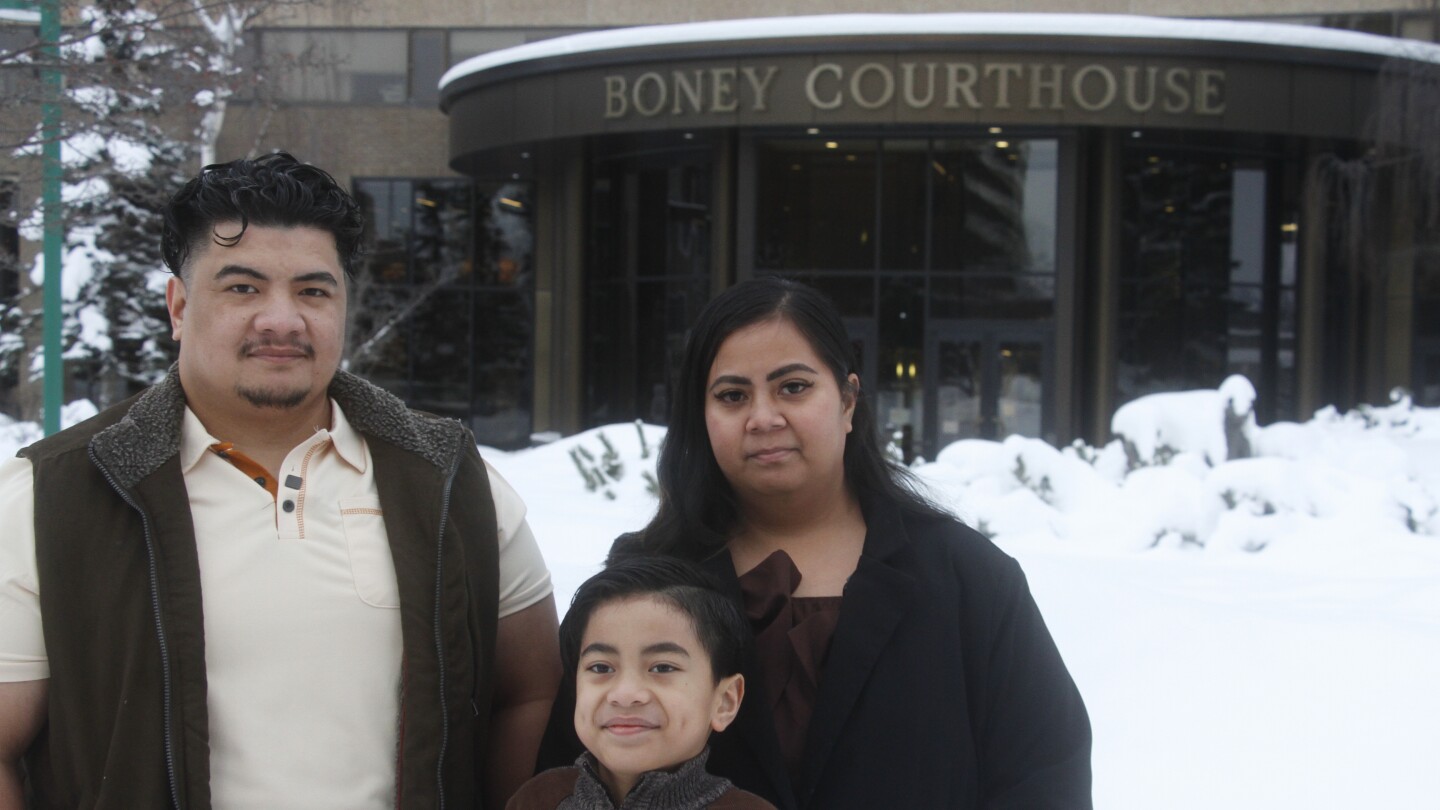
The Alaska Court of Appeals is considering whether to dismiss felony voter misconduct charges against Tupe Smith, an American Samoa-born resident whose case has highlighted the complicated citizenship status of people from the U.S. territory.
Smith was arrested after winning election to a regional school board in 2023. She maintains she relied on incorrect information from Whittier election officials when she identified herself as a U.S. citizen on voter registration forms.
American Samoa holds a unique status among U.S. territories, as its residents are not automatically granted U.S. citizenship at birth. Instead, they are classified as U.S. nationals who can serve in the military and obtain U.S. passports but cannot vote in most U.S. elections or hold public office within the United States.
The legal proceedings have centered on the interpretation of “intentional” misconduct. Smith’s attorney, Whitney Brown, argued during Thursday’s hearing that individuals who become entangled in “Alaska’s confusing election administration system and do not have any intent to mislead or deceive should not face felony voter misconduct charges.”
Assistant Attorney General Kayla Doyle countered that ensuring election integrity requires accuracy in the oaths that voters take when registering.
According to court filings, Smith stated during her arrest interview that she knew she couldn’t vote in presidential elections but was “unaware of any other restrictions on her ability to vote.” When faced with voter registration forms that offered no option to identify as a U.S. national, Smith claims city representatives advised her to mark “U.S. citizen” instead.
“She exercised what she believed was her right to vote in a local election. She did so without any intent to mislead or deceive anyone,” her attorneys argued in a September filing. “Her belief that U.S. nationals may vote in local elections, which was supported by advice from City of Whittier election officials, was simply mistaken.”
State prosecutors have painted a different picture, emphasizing that the voter application forms Smith completed in 2020 and 2022 explicitly stated that individuals who were not at least 18 years old and U.S. citizens should “not complete this form, as you are not eligible to vote.”
“The counts Smith was indicted on did not have anything to do with her belief in her ability to vote in certain elections; rather they concerned the straightforward question of whether or not Smith intentionally and falsely swore she was a United States citizen,” Doyle stated in an earlier court filing.
Smith’s case is not isolated. State prosecutors have brought similar charges against ten other American Samoans in Whittier, including Smith’s husband, Michael Pese. This cluster of cases has drawn significant community attention, with about 25 supporters gathering outside the Anchorage courthouse before Thursday’s hearing, some carrying signs reading “We support Samoans.”
State Senator Forrest Dunbar, who attended the rally, questioned the prosecution’s priorities. “We should be going after people who are genuine criminals, who are violent criminals, or at least have the intent to deceive,” the Democratic lawmaker said.
The path to citizenship for American Samoans exists through processes like naturalization, but these routes can be expensive and cumbersome. This systemic barrier leaves many American Samoans in a legal gray area regarding their civic participation.
Attorney Neil Weare, co-founder of the Washington-based Right to Democracy Project and part of Smith’s legal team, explained that the appeals court could either dismiss the case entirely or return it to the lower court “to consider whether the state can meet the standard it has set forth for voter misconduct.” He also noted that even if the current charges are dismissed, the state might file different charges.
The court did not indicate when it would issue a ruling on Smith’s case, which continues to highlight the complex intersection of citizenship, voting rights, and territorial status in the American legal system.
Fact Checker
Verify the accuracy of this article using The Disinformation Commission analysis and real-time sources.

9 Comments
This case highlights the complex legal and political status of American Samoans. I’m interested to see if the court’s ruling will prompt any movement on clarifying their citizenship and voting rights within the United States.
Voter misconduct charges against a U.S. national from American Samoa seems extremely harsh, especially if they genuinely relied on incorrect information from election officials. The court should take great care in interpreting the intent requirements here.
I agree, the court needs to ensure justice is served and not allow overzealous prosecution to undermine the democratic process, even in a U.S. territory.
This case raises important questions about voting rights and citizenship in U.S. territories. I’m curious to see how the court navigates the legal complexities and intent requirements around voter misconduct charges.
Agreed, the court will need to carefully balance the law with the unique circumstances here. It’s a delicate situation with far-reaching implications.
This is a complex case that highlights the ambiguous status of American Samoans. It’s troubling that someone could face felony charges for relying on incorrect information from election officials. Hopefully the court will take a nuanced view and avoid overly harsh penalties.
You’re right, the citizenship status of American Samoans is a thorny issue. I hope the court can find a fair resolution that accounts for the mitigating circumstances.
The voting status of American Samoans is a long-standing issue that deserves more attention. This case illustrates the real-world consequences of the ambiguity around their citizenship rights. I hope it spurs productive discussions about political representation and enfranchisement.
Well said. This case has the potential to shine a light on an important but often overlooked aspect of U.S. territories and their residents’ political participation.