


Listen to the article
Pressure mounts as funding shutdown disrupts air travel, strains TSA workforce, with Congress at impasse over immigration enforcement policies.
Pressure is intensifying on Congress to resolve the 41-day federal funding shutdown that has caused significant travel disruptions across the United States, with warnings of potential airport closures now entering the national conversation.
Lawmakers are expected to vote Thursday on a Republican proposal that would restore funding to the Transportation Security Administration (TSA) and most of the Department of Homeland Security, while excluding Immigration and Customs Enforcement (ICE) removal operations. However, the measure is widely expected to fail amid partisan disagreements over immigration enforcement parameters.
Democrats maintain that the Republican plan fails to establish adequate restrictions on ICE, Customs and Border Protection, and other federal agencies involved in the Trump administration’s immigration enforcement actions. Democratic opposition has intensified following the deaths of two Americans protesting these operations in Minneapolis.
Acting TSA Administrator Ha Nguyen McNeill painted a stark picture of the situation during her testimony at a House hearing Wednesday. “This is a dire situation,” she said, describing the mounting financial hardships facing TSA employees working without pay. Workers are facing eviction notices, accumulating unpaid bills, and some have even resorted to selling plasma to make ends meet.
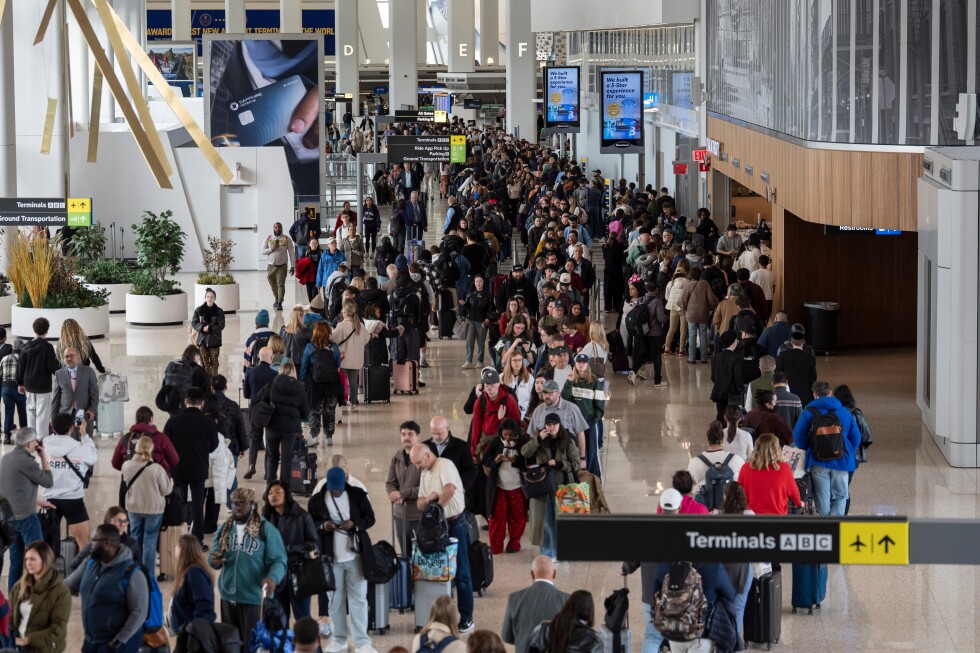
The operational impact has become increasingly visible at airports nationwide. Daily TSA employee absentee rates have climbed to 11% across the country, with some airports experiencing callout rates exceeding 40%. More than 480 transportation security officers have resigned since the shutdown began.
“At this point, we have to look at all options on the table,” McNeill warned. “And that does require us to, at some point, make very difficult choices as to which airports we might try to keep open and which ones we might have to shut down as our callout rates increase.”
The situation is particularly concerning as Congress prepares to adjourn by week’s end for its spring recess, potentially leaving the crisis unresolved for even longer.
President Trump has largely remained on the sidelines of the public debate regarding potential solutions, though he appears to be maintaining a hard line on immigration issues. While initially supporting the Senate Republicans’ proposal presented Monday, by Tuesday he expressed dissatisfaction with any potential deal.
The funding impasse stems partially from Trump’s earlier negotiations with Democrats last fall, when he agreed to fund most government operations except for the Department of Homeland Security, which was placed on temporary funding that has since expired. Despite the department-level shutdown, Trump’s immigration agenda continues to advance due to last year’s tax cuts legislation, which allocated $75 billion to ICE operations.
The Republican funding proposal does include one new restraint on immigration officers—funding for body cameras—but Democrats argue this falls far short of necessary reforms. Senate Democratic Leader Chuck Schumer emphasized they need “real changes,” including requirements for federal agents to wear identification, remove face coverings, and avoid enforcement actions near sensitive locations like schools and churches.
“We’ve been talking about ICE reforms from day one,” Schumer stated.
Bipartisan negotiations between Democrats and the White House, including border czar Tom Homan, had shown promise earlier, with the administration offering concessions on officer identification and training. Those talks collapsed over the weekend, however, leaving the sides at an impasse.
Republican leaders have criticized Democrats for putting national security at risk, pointing to administrative changes including the recent appointment of Markwayne Mullin as the new Homeland Security secretary to replace Kristi Noem. Meanwhile, conservative Republicans have expressed dissatisfaction with their own party’s proposal, arguing for full funding of immigration operations without new restrictions.
Senate Majority Leader John Thune suggested late Wednesday that progress could resume if Democrats presented “a more realistic offer,” adding that Congress might consider a stopgap measure to temporarily fund the department.
Beyond the political stalemate, the human impact continues to worsen. McNeill reported that TSA officers have experienced a more than 500% increase in physical assaults since the shutdown began, describing the situation as “unacceptable.”
As airports face growing security lines and frustrated travelers, the pressure for a resolution grows daily. With Congress’s spring recess approaching and no clear path to compromise in sight, the nation’s air travel infrastructure remains precariously balanced on the dedication of unpaid workers facing increasingly difficult personal circumstances.
Fact Checker
Verify the accuracy of this article using The Disinformation Commission analysis and real-time sources.

7 Comments
While immigration policies are divisive, the funding lapse is crippling the TSA and putting public safety at risk. Lawmakers should prioritize restoring essential government services during these negotiations.
Absolutely, the security and functionality of our air travel system has to come first. Partisan posturing needs to be put aside to resolve this.
The funding stalemate is clearly taking a toll, with the TSA workforce being strained and airport closures looming. Congress needs to stop the political games and do what’s best for the American people.
The ongoing funding impasse over immigration enforcement is really disrupting critical air travel infrastructure. Both sides need to find a compromise solution before this situation deteriorates further.
Concerning to hear about the potential airport closures due to staffing shortages from the TSA shutdown. Congress needs to put partisan politics aside and find a bipartisan fix for this pressing issue.
I agree, the travel disruptions are unacceptable. The public shouldn’t have to bear the brunt of this political gridlock.
Tragic to hear about the protesters who died related to immigration enforcement actions. This underscores the urgent need to find a humane, bipartisan solution on immigration that doesn’t jeopardize core government services.