


Listen to the article
CBS News finally aired a controversial “60 Minutes” segment on Sunday that had been pulled from the program’s lineup a month earlier, reigniting discussions about editorial independence at the network.
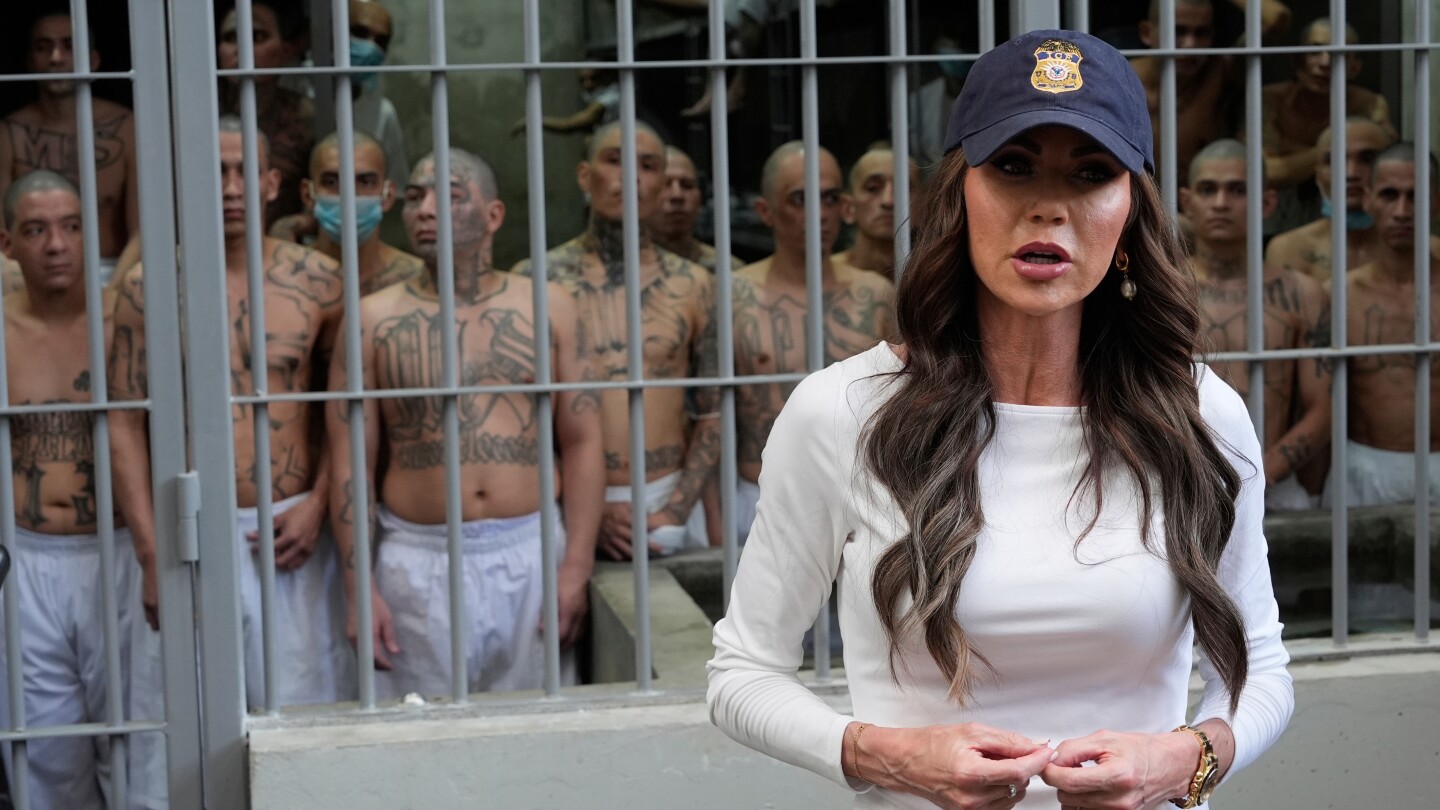
The segment, reported by correspondent Sharyn Alfonsi, focused on Trump administration deportations to El Salvador’s notorious CECOT prison. When CBS News editor-in-chief Bari Weiss ordered the story removed from the December 21 broadcast, Alfonsi had internally characterized the decision as “not an editorial decision, but a political one.”
In the aired version, Alfonsi made no reference to the behind-the-scenes dispute. The report documented the harsh conditions faced by deportees sent to the Salvadoran facility, which has drawn international concern for its treatment of prisoners.
Weiss had previously argued that the original story failed to adequately present the Trump administration’s perspective and didn’t advance reporting already published by other news organizations. The aired version included written statements from the White House and Department of Homeland Security that weren’t in Alfonsi’s initial report.
“Since November, ’60 Minutes’ has made several attempts to interview key Trump administration officials on camera about our story,” Alfonsi stated in the broadcast. “They declined our requests.” In an internal email that surfaced during the controversy, Alfonsi had suggested the administration’s refusal to appear on camera was a strategic move intended to derail the story.
CBS News defended its handling of the situation, stating in a release that “leadership has always been committed to airing the ’60 Minutes’ CECOT piece as soon as it was ready.” The network emphasized that the broadcast “speaks to CBS News’ independence and the power of our storytelling.”
The segment’s delayed airing comes amid scrutiny of CBS’s relationship with the Trump administration. Critics have questioned whether Weiss’s appointment—she founded the Free Press website and had no previous television news experience—represented an effort by network leadership to improve relations with Trump.
The CECOT report was the second of three stories on Sunday’s program, following Cecilia Vega’s report on Immigration and Customs Enforcement (ICE) operations and related protests in Minneapolis. The positioning of these immigration-focused stories so prominently in the broadcast appeared to signal the network’s commitment to covering the topic despite the earlier controversy.
Media observers had a unique opportunity to compare versions of the story after the original, rejected segment accidentally became available online when CBS fed it to Global Television in Canada before the last-minute schedule change. The Canadian network briefly posted it on its website.
Comparison of the versions showed the core reporting remained largely unchanged. The aired version included a clip of President Trump saying the prison operators “don’t play games,” and a statement from White House press secretary Karoline Leavitt describing those sent to CECOT as “heinous monsters, rapists, murderers, sexual assaulters, predators who have no right to be in this country.”
The broadcast also added administration-provided photos of tattoos worn by migrants Alfonsi interviewed, including one showing a swastika that the interviewee claimed he had gotten as a teenager without understanding its meaning.
Since Weiss joined CBS, Trump administration officials have appeared more frequently on the network’s programs. President Trump himself was interviewed by Norah O’Donnell on “60 Minutes” in November, and he recently sat down with new “CBS Evening News” anchor Tony Dokoupil.
That Dokoupil interview generated its own controversy when, according to The New York Times, Leavitt allegedly told the network “we’ll sue your ass off” if the exchange wasn’t aired in full. CBS ultimately broadcast the entire 13-minute interview unedited on its evening news program, an unusual step for a 30-minute broadcast. The network maintained this decision had been made at the time the interview was arranged.
Trump has previously objected to how his interviews have been edited, once releasing an unedited transcript of a 2020 interview with “60 Minutes” correspondent Lesley Stahl.
Fact Checker
Verify the accuracy of this article using The Disinformation Commission analysis and real-time sources.

6 Comments
While deportation policies can be a sensitive topic, it’s crucial that the media maintains editorial independence and reports the facts without undue external influence. I hope this incident encourages greater transparency around decision-making processes at news organizations.
The conditions faced by deportees in the Salvadoran prison sound very concerning. This is a complex issue that deserves thorough, impartial journalism to shed light on the realities and policy implications. I appreciate CBS News airing this report despite the internal challenges.
This report highlights the importance of nuanced, in-depth coverage of immigration and deportation issues. There are valid concerns on multiple sides, and responsible journalism should strive to understand and convey the full context.
While editorial decisions can be challenging, especially on sensitive political topics, I believe the media has a responsibility to report the facts and give voice to all sides. This ’60 Minutes’ piece seems to strike a reasonable balance, and I’m glad it was ultimately aired.
The harsh conditions faced by deportees in the Salvadoran prison are deeply troubling. This report underscores the need for continued scrutiny of immigration enforcement practices and their real-world consequences. Kudos to CBS News for persisting with this important story.
This is an interesting report on the controversial deportation policies of the Trump administration. It’s important to have balanced coverage that includes all perspectives, even if they are challenging. I’m curious to learn more about the editorial decisions behind the story.