


Listen to the article
Democratic Attorneys General Sue CFPB Over Funding Dispute with Trump Administration
A coalition of 21 attorneys general from Democratic-led states filed a lawsuit Monday against the Consumer Financial Protection Bureau (CFPB) and its director, Russell Vought, challenging the Trump administration’s decision to withhold funding from the consumer watchdog agency.
Filed in U.S. District Court in Eugene, Oregon, the legal action seeks to compel the administration to restore funding to the CFPB, which is expected to deplete its operating funds by January unless additional money is allocated.
“We’re asking the court to order the Consumer Financial Protection Bureau to seek available funding and do its job,” California Attorney General Rob Bonta said during a press conference announcing the legal action.
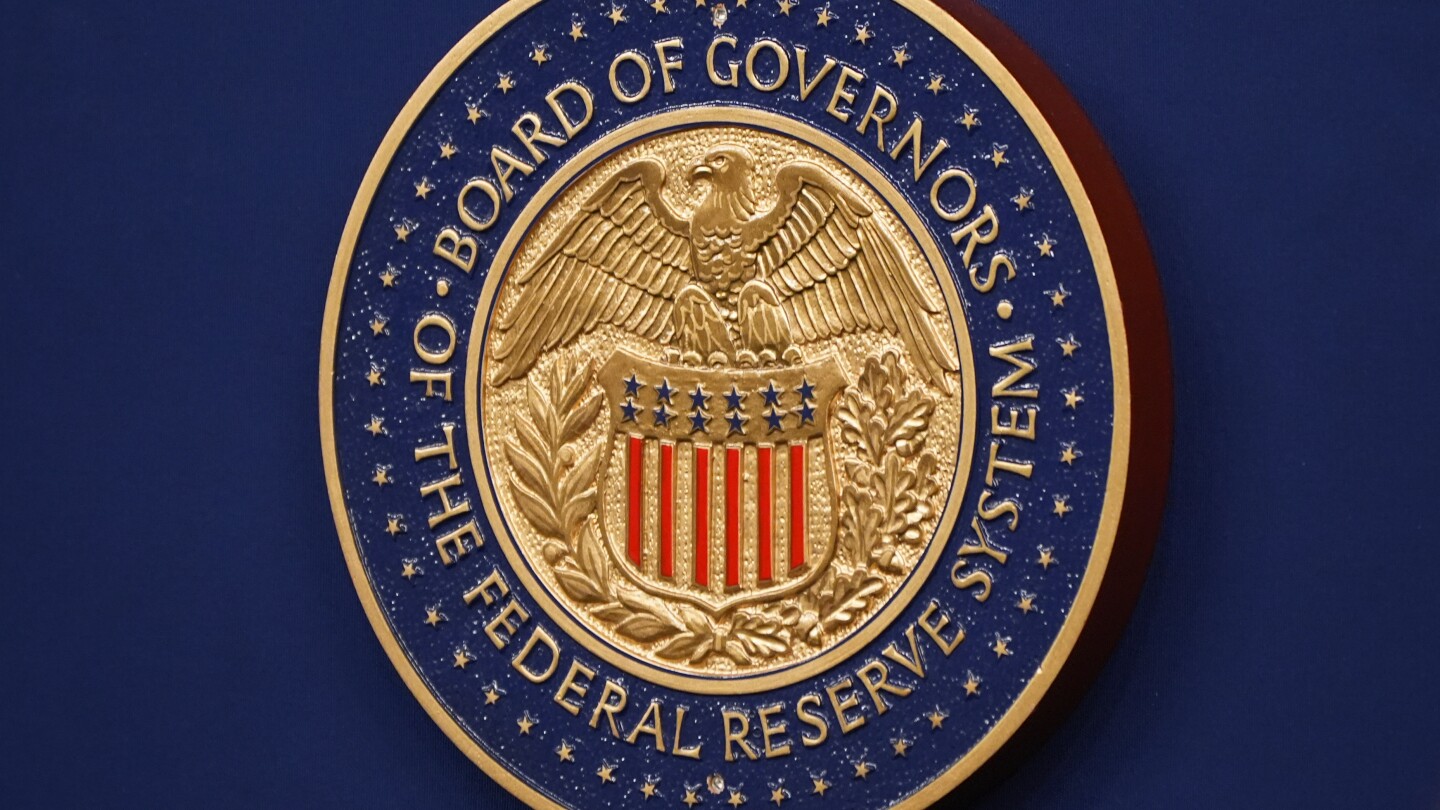
At the heart of the dispute is the Trump administration’s interpretation of how the CFPB should be funded. White House officials have argued for months that the agency can only receive funds from the Federal Reserve’s profits. Since the Fed has been operating at a loss since 2022—a consequence of sharp interest rate hikes to combat inflation—the administration claims the CFPB cannot lawfully draw funds from the central bank.
The Federal Reserve’s financial situation stems from holding low-interest bonds acquired during the pandemic while simultaneously paying higher interest rates to banks that maintain deposits with the central bank. This imbalance has resulted in operational losses for the Fed over the past two years.
The lawsuit challenges the administration’s narrow interpretation of the “combined earnings” phrase found in the Dodd-Frank Act, the legislation that established the CFPB over a decade ago. Former legislators and policymakers involved in crafting the law have pushed back against the White House’s position, arguing that the term was never intended to make CFPB funding contingent on the Federal Reserve generating an actual profit.
“Defunding the Consumer Financial Protection Bureau will make it harder to stop predatory lenders, scammers, and other bad actors from taking advantage of New Yorkers,” said New York Attorney General Letitia James, highlighting the potential consequences of allowing the agency’s funding to lapse.
The attorneys general argue that the CFPB was lawfully established by Congress and that the executive branch cannot selectively choose which government agencies to fund. Their complaint emphasizes that the CFPB has statutory requirements to provide consumer complaint information to states, enabling them to take action against financial predators—responsibilities the agency cannot fulfill without proper funding.
This case represents the second legal challenge to the administration’s interpretation of CFPB funding requirements. A separate lawsuit, filed by the CFPB employees’ union against Director Vought, is already making its way through the courts.
The CFPB has been a political flashpoint since its creation in the aftermath of the 2008 financial crisis. Designed to protect consumers from abusive financial practices, the agency has been both praised for its enforcement actions against predatory lenders and criticized by some who view it as regulatory overreach.
Financial industry analysts note that prolonged uncertainty over CFPB funding could create regulatory gaps in consumer financial protection at a time when many Americans are still struggling with high interest rates, persistent inflation, and economic uncertainty.
If the CFPB’s operations are curtailed due to lack of funding, the impact could extend beyond federal consumer protection efforts to state-level enforcement actions that rely on the agency’s resources and information-sharing systems.
A spokesperson for Director Vought did not respond to requests for comment on the lawsuit.
The case highlights the ongoing tension between the administration’s approach to regulatory agencies and Democratic-led states that have positioned themselves as alternative sources of consumer protection in the current political landscape.
Fact Checker
Verify the accuracy of this article using The Disinformation Commission analysis and real-time sources.

15 Comments
I’m curious to see how this lawsuit plays out and whether the states can compel the administration to restore CFPB funding. Consumer protection is an important issue that shouldn’t be caught up in partisan wrangling.
Regardless of political affiliation, the CFPB should be able to operate independently and fulfill its mission without undue interference. This lawsuit could have significant implications for financial regulation and oversight.
This lawsuit is yet another chapter in the ongoing battle over the CFPB’s role and independence. While reasonable people can disagree on the agency’s approach, its core mission of consumer protection should be respected and supported.
The CFPB has faced political attacks from the start, but it’s important that it be allowed to fulfill its statutory mandate without undue interference. Hopefully the courts will uphold the agency’s ability to carry out its important work.
The CFPB has been a lightning rod for political controversy since its inception, and this latest funding dispute is just the latest example. Regardless of one’s views on the agency, its ability to effectively protect consumers should not be compromised by partisan battles.
It’s concerning to see the White House trying to limit the CFPB’s funding, especially during a time of high inflation and economic uncertainty. Consumers need a strong, independent watchdog to ensure fair and transparent financial practices.
The CFPB has faced attacks from Republican lawmakers since its inception, and this latest funding dispute seems like another attempt to undermine the agency’s authority. I hope the courts uphold the CFPB’s independence and ability to carry out its mandate.
While there may be disagreements over the CFPB’s structure and priorities, it’s crucial that the agency has the necessary resources to protect consumers. This lawsuit highlights the politically charged nature of financial regulation in the US.
This is an interesting development in the ongoing power struggle between the White House and the CFPB. It will be worth watching how the courts rule on the administration’s attempt to limit the agency’s funding and oversight abilities.
The CFPB plays a crucial role in protecting consumers, so it’s concerning to see political disputes interfere with its operations. Hopefully the courts can provide clarity and allow the agency to fulfill its mandate effectively.
The CFPB’s funding and oversight powers have long been a point of contention, and this latest lawsuit highlights the need for clear, nonpartisan rules governing the agency’s operations. Consumers deserve a strong, independent watchdog to protect their interests.
This dispute over CFPB funding is yet another example of the political polarization that has plagued financial regulation in the US. Regardless of one’s political leanings, it’s crucial that the agency be able to effectively fulfill its consumer protection mandate.
While the administration may have concerns about the CFPB’s structure and priorities, the agency’s core mission of safeguarding consumers should take precedence. Hopefully the courts can provide clarity and allow the CFPB to continue its important work.
This lawsuit highlights the ongoing tension between the White House and the CFPB over the agency’s funding and independence. While there may be legitimate concerns about the CFPB’s structure and priorities, it’s crucial that it be able to fulfill its statutory mandate without undue political interference.
Consumers deserve a strong, impartial watchdog to protect their financial interests. Hopefully the courts can provide clarity and ensure the CFPB has the resources and autonomy it needs to effectively carry out its mission.