


Listen to the article
Vaccine Misinformation Surge Threatens Global Public Health Efforts, WHO Warns
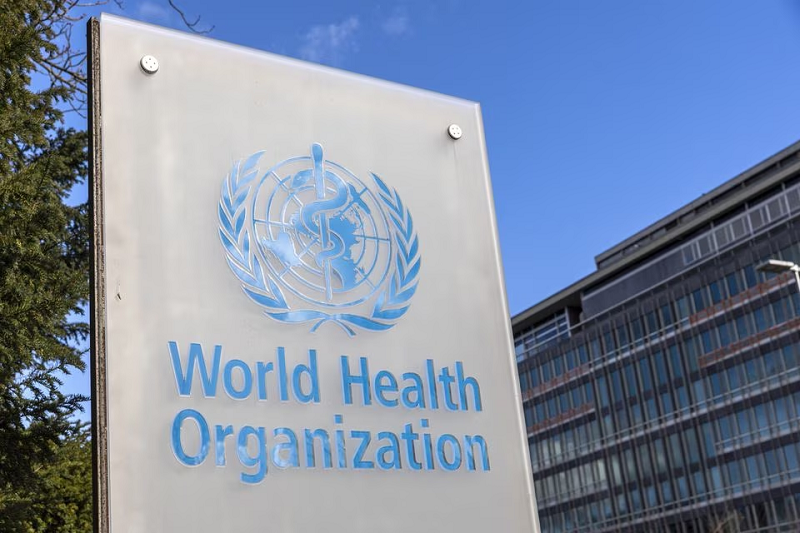
World Health Organization experts have issued an urgent warning about the rising tide of misinformation targeting vaccines, describing it as a significant threat to global immunization programs that have been the cornerstone of disease prevention for decades.
The Geneva-based health authority reports that false and misleading claims about vaccines have intensified dramatically in recent months, undermining public confidence in immunization at a time when vaccine uptake remains crucial for preventing disease outbreaks worldwide.
“We’re witnessing an unprecedented scale of coordinated anti-vaccine messaging that spreads faster than scientific facts,” said a senior WHO immunization expert who requested anonymity due to the sensitivity of the issue. “This is no longer just a communication challenge—it represents a genuine public health emergency.”
The organization has identified social media platforms as primary amplifiers of vaccine misinformation, creating echo chambers where false claims can spread unchecked to millions of users within hours. Despite efforts by tech companies to flag misleading content, the volume and sophistication of anti-vaccine narratives continue to overwhelm content moderation systems.
Of particular concern to global health officials is the impact on regions with already fragile healthcare infrastructure. Countries across parts of Africa, Southeast Asia, and the Middle East that have made significant progress in vaccination coverage over the past decades now face potential reversals as communities increasingly question vaccine safety based on misinformation.
“The consequences could be devastating,” said Dr. Maria Van Kerkhove, WHO’s technical lead for COVID-19. “We risk seeing the resurgence of diseases we had nearly eliminated through decades of careful vaccination campaigns. Measles outbreaks are already occurring in communities with declining vaccination rates.”
The spread of false information has evolved beyond traditional anti-vaccine arguments. Modern misinformation campaigns often incorporate sophisticated tactics, including misrepresented scientific data, out-of-context quotes from medical professionals, and fabricated testimonials about adverse effects.
WHO’s Immunization Advisory Committee has documented that these campaigns frequently coincide with political events or public health initiatives, suggesting some may be strategically timed and potentially coordinated. The committee noted that vaccine hesitancy resulting from misinformation has already contributed to measurable declines in routine childhood immunization in several countries.
The organization is calling for a coordinated global response to combat the misinformation crisis. This includes closer collaboration between governments, health organizations, technology companies, and media outlets to promote evidence-based information and quickly debunk false claims.
“Healthcare professionals are on the frontlines of this information battle,” said Dr. Tedros Adhanom Ghebreyesus, WHO Director-General. “They need resources and training to effectively communicate with patients who have been exposed to misinformation, addressing concerns with transparency while reinforcing the overwhelming evidence supporting vaccine safety.”
The WHO has emphasized that all approved vaccines undergo rigorous testing and safety evaluations before authorization, with ongoing monitoring after deployment. The organization continues to stress that the benefits of vaccination far outweigh the risks, pointing to the millions of lives saved through immunization programs.
In response to the growing crisis, WHO has launched a global initiative to strengthen vaccine confidence, providing member states with tools, training, and resources to counter misinformation effectively. The program includes specialized training for healthcare workers, community outreach campaigns, and partnerships with social media companies to promote accurate vaccine information.
Public health experts stress that addressing misinformation requires more than just correcting false claims—it necessitates rebuilding trust in health institutions through transparent communication, community engagement, and responsive health systems that acknowledge and address public concerns.
Fact Checker
Verify the accuracy of this article using The Disinformation Commission analysis and real-time sources.

12 Comments
Concerning to hear about the surge in vaccine misinformation. With public health at stake, it’s critical that we rely on authoritative sources like the WHO to get the facts straight. Misinformation spreads so rapidly online, but we must counter it with science and truth.
I agree, misinformation is a major threat to global vaccination efforts. The WHO is right to sound the alarm – we need a coordinated response from governments, tech companies, and the public to combat this problem.
Vaccine misinformation is a serious issue that the WHO is right to prioritize. With lives at stake, we must respond quickly and decisively to counter the flood of false claims. Promoting digital literacy and cracking down on platforms that amplify misinformation should be top priorities.
I agree, the WHO’s warning is a call to action. Misinformation erodes public trust in proven lifesaving tools. Governments, tech companies, and citizens all have a role to play in combating this threat to global health.
The WHO’s warning highlights just how dangerous vaccine misinformation has become. Undermining public confidence in immunization puts vulnerable populations at risk. We must all do our part to stop the spread of false claims and promote factual, science-based information.
Absolutely. Spreading misinformation during a pandemic is unethical and reckless. The WHO is right to call this a public health emergency that requires urgent action.
The WHO’s warning about the rise in vaccine misinformation is a wake-up call. Unchecked falsehoods can undo decades of progress in disease prevention. We need a multi-pronged approach to combat this threat to global public health. Fact-based education and accountability for social media platforms will be crucial.
Absolutely. This is a complex problem that requires a comprehensive solution. Empowering people with scientific knowledge while also regulating the spread of misinformation online will be key to protecting vaccination efforts worldwide.
This is a serious issue that deserves our full attention. Vaccine misinformation can have devastating consequences, especially for developing countries with lower vaccination rates. I hope the WHO’s warning spurs meaningful action to combat this threat to global health.
Well said. Misinformation erodes trust in critical public health tools. Strengthening digital literacy and empowering people with facts will be key to overcoming this challenge.
The surge in vaccine misinformation is deeply troubling. As the WHO notes, this goes beyond just a communication challenge – it’s a true public health emergency that demands a coordinated global response. We must act quickly to stem the tide of false claims.
I agree, this is an extremely worrying trend. The WHO is right to sound the alarm. Vaccine hesitancy fueled by misinformation puts us all at risk. Policymakers, tech platforms, and the public must work together to address this crisis.