


Listen to the article
Online Misinformation About Asylum Hotels in Wales Escalates, Officials Warn
Community leaders across Wales have reported a significant rise in online misinformation regarding hotels allegedly housing asylum seekers, creating unnecessary tension in local communities. The Welsh Local Government Association (WLGA) has expressed concern that the proliferation of rumors and speculation about these accommodations is causing community anxiety and potentially harmful consequences.
“We are seeing a noticeable increase in misinformation being spread, particularly online,” the WLGA stated. “Misinformation can unfortunately be quickly spread and cause unnecessary concern, and in some cases, lead to unintended consequences for individuals and communities.”
Several local authorities have been forced to issue official statements to counter false claims circulating on social media. Officials in Anglesey, Merthyr Tydfil, and Bangor in Gwynedd have all released public denials regarding rumors that hotels in their areas are being used to house asylum seekers.
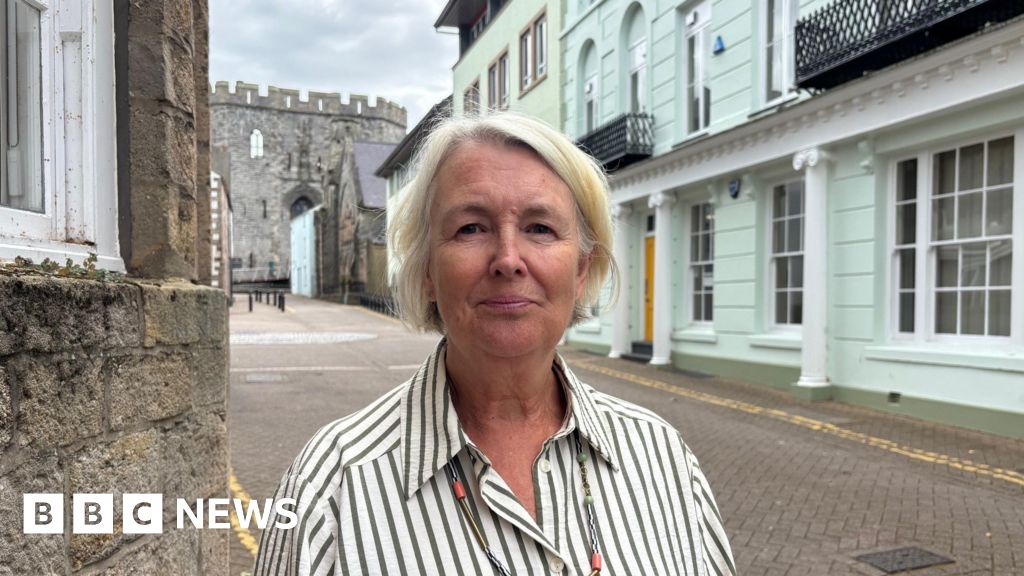
Sian Gwenllian, Plaid Cymru Member of the Senedd for Arfon in Gwynedd, described how “completely unfounded” posts about a building in Bangor created significant community tension. She characterized such misinformation as “dangerous” and accused some politicians of exploiting the issue “for their own advantage.”
“It’s dangerous to pit communities against each other,” Gwenllian warned, highlighting the real-world impact of digital misinformation campaigns.
The latest Home Office figures reveal that while 32,059 asylum seekers are currently housed in hotels across the UK, only 76 asylum seekers are accommodated in such facilities in Wales – all in Cardiff. This represents a tiny fraction of the 111,000 total asylum applications in the UK in the year to June.
Despite these figures, some politicians maintain that asylum housing remains a significant issue in Wales. Laura Anne Jones, Reform UK’s only Member of the Senedd, told her party’s conference in Birmingham earlier this month: “People think to say ‘oh you’re in Wales, you know it doesn’t affect you there’, but it does.” Her comments suggest the issue continues to be politically contentious despite the relatively small numbers involved in Wales.
The Welsh Refugee Council, an organization that provides support to people arriving in Wales seeking asylum, has also expressed concern about the increase in misinformation they’ve observed. Their work directly with asylum seekers makes them particularly aware of how misinformation can impact vulnerable populations and community integration efforts.
The UK government has stated it is “taking immediate action to fix the asylum system” and has begun closing accommodation facilities. “We have started closing down hotels and returning more than 35,000 people with no right to be here,” a government spokesperson said. “From over 400 asylum hotels open in summer 2023, costing almost £9m a day, there are now less than 210. We want them all closed by the end of this parliament.”
The current parliament is scheduled to run until 2029, giving the government a five-year timeline to achieve its goal of closing all asylum hotels.
The spread of misinformation regarding asylum seekers occurs against a backdrop of increasing polarization in political discourse about immigration and significant backlogs in the UK’s asylum processing system. Social media platforms have become primary vectors for such misinformation, with local officials often struggling to counter false claims once they gain traction online.
Community leaders emphasize that addressing this issue requires both improving the asylum processing system and actively combating misinformation when it appears. Without such intervention, they warn, social cohesion in Welsh communities could be unnecessarily damaged by claims that have little basis in reality.
Fact Checker
Verify the accuracy of this article using The Disinformation Commission analysis and real-time sources.

10 Comments
It’s concerning to hear about the rise in online misinformation regarding asylum accommodations in Wales. Local officials will need to work closely with communities to provide accurate information and address concerns constructively.
Agreed. Open dialogue and collaboration between authorities and residents will be key to defusing tensions and maintaining social cohesion.
The rise in online misinformation about asylum accommodations in Wales is troubling. Authorities need to be proactive in providing accurate, factual information to the public and address community concerns in a constructive manner.
Agreed. Transparent communication and collaboration between officials and residents will be key to defusing tensions and maintaining social cohesion.
Asylum and immigration are sensitive topics that often become politicized. While healthy debate is normal, the spread of unsubstantiated rumors is counterproductive and can have real consequences for vulnerable individuals. Fact-checking and responsible reporting are needed.
Well said. Responsible journalism and digital literacy education are important to combat the spread of misinformation on these issues.
This is a concerning issue. Misinformation can spread rapidly online and stir up unnecessary tensions in local communities. It’s important for officials to proactively counter false claims with accurate information to maintain social cohesion.
I agree, transparency and clear communication from authorities are crucial to address this problem effectively.
Misinformation can have real consequences, fueling prejudice and harming vulnerable groups. Fact-checking and responsible reporting are crucial to counter the spread of false claims, especially on sensitive topics like immigration.
Absolutely. Promoting media literacy and critical thinking skills in the community can also help combat the spread of misinformation.