


Listen to the article
In a week dominated by election misinformation and international conflict, fact-checkers have been working overtime to debunk viral falsehoods circulating across social media platforms. The spread of misleading content appears particularly concentrated around West Bengal’s upcoming assembly elections and geopolitical tensions in the Middle East.
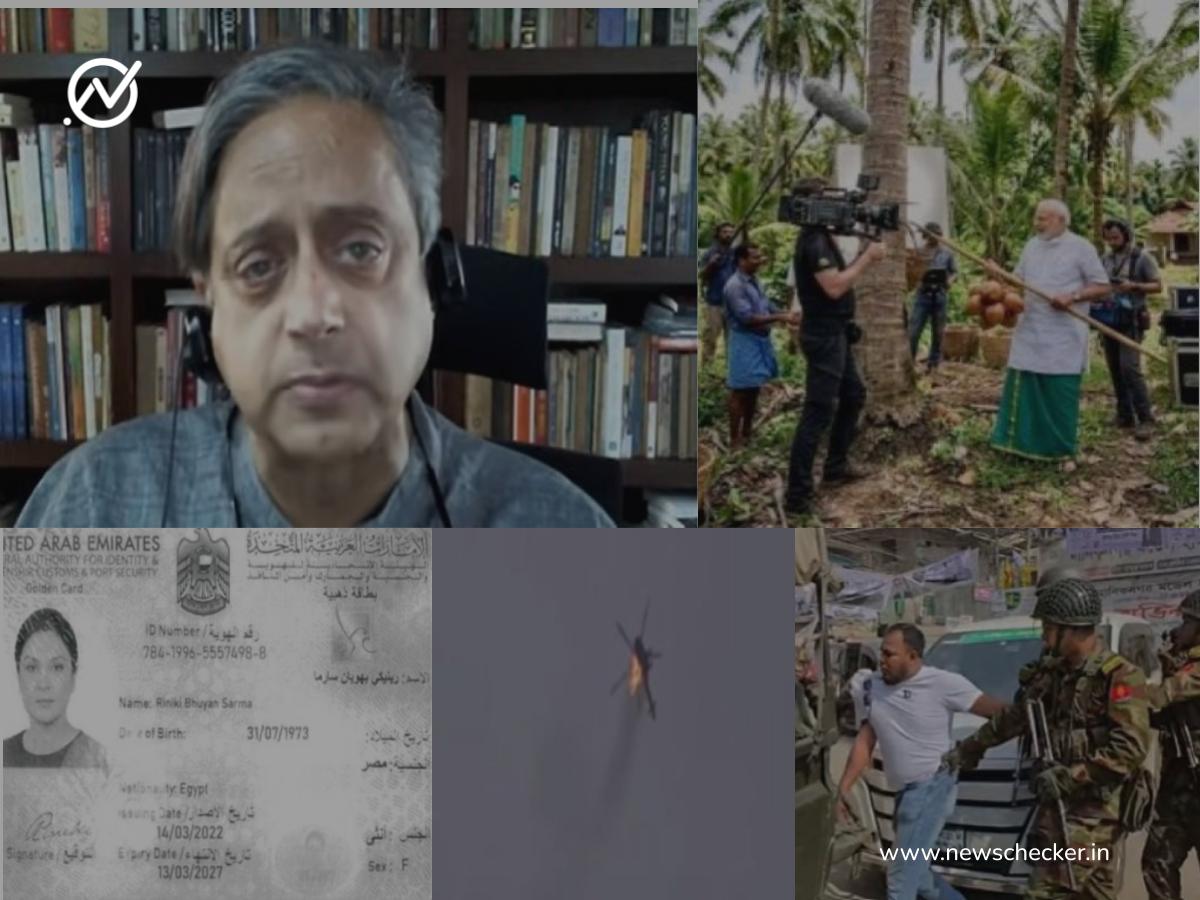
Authorities have identified numerous instances where unrelated videos from Bangladesh were falsely presented as evidence of an “army crackdown” in West Bengal. These manipulated narratives seem designed to inflame tensions as the state prepares for its electoral process. Fact-checkers at Newschecker thoroughly investigated two such widely-shared clips, confirming that both originated from Bangladesh rather than India, despite claims to the contrary.
In another significant case of political misinformation, Congress leader Pawan Khera recently made allegations that Riniki Bhuyan Sarma, wife of Assam Chief Minister Himanta Biswa Sarma, possesses multiple passports. Khera presented what appeared to be documentation suggesting Sarma holds a UAE passport. Upon investigation, fact-checkers determined the purported Emirates ID had been digitally altered, rendering the accusation baseless.
The trend of manipulated media continues with a doctored video featuring Congress MP Shashi Tharoor that gained substantial traction online. The edited clip portrayed Tharoor harshly criticizing the Indian government over Pakistan’s alleged role in mediating a ceasefire between the United States and Iran, describing it as a “massive strategic failure” for India. Verification efforts confirmed the video had been manipulated to misrepresent Tharoor’s statements.
The growing sophistication of artificial intelligence has added another dimension to the misinformation landscape. A convincing but entirely fabricated photograph supposedly showing Prime Minister Narendra Modi during a campaign photoshoot in Kerala circulated widely ahead of the April 9 state assembly elections. Analysis revealed the image was AI-generated, highlighting the increasing challenge of distinguishing authentic media from sophisticated fakes.
International conflicts continue to provide fertile ground for misinformation. As tensions between the United States and Iran escalated, a video purportedly showing a US Black Hawk helicopter being struck by an Iranian missile gained widespread attention. Fact-checkers determined the footage was from an unrelated, earlier incident and had no connection to current developments in West Asia.
These cases illustrate the evolving nature of misinformation in India’s political landscape, where digitally manipulated content increasingly targets electoral processes. The timing of such false narratives, particularly during election seasons, suggests deliberate attempts to influence public opinion during critical democratic exercises.
Media literacy experts note that the combination of political tensions, advanced technology, and the speed of social media distribution creates perfect conditions for misinformation to flourish. The pattern observed across these examples demonstrates how domestic politics, international relations, and technological capabilities intersect in today’s information ecosystem.
For voters preparing to cast ballots in upcoming elections, the barrage of misleading content presents a significant challenge in making informed decisions. Election authorities have expressed concern about the potential impact of such misinformation on voter behavior and are working with social media platforms to address the most egregious examples.
As India continues through its busy electoral calendar, the role of independent fact-checkers remains crucial in helping the public navigate an increasingly complex information environment where the line between authentic and manipulated content grows ever thinner.
Fact Checker
Verify the accuracy of this article using The Disinformation Commission analysis and real-time sources.

7 Comments
Interesting to see how misinformation can spread during elections. Fact-checking is so important to cut through the noise and get the truth out there.
Absolutely. Verifying sources and identifying manipulated content is crucial for maintaining the integrity of the electoral process.
Political misinformation can be so damaging. I’m glad the authorities are taking it seriously and working to identify and debunk false narratives.
It’s important to stay vigilant about misinformation, especially around sensitive topics like elections and geopolitical conflicts. Kudos to the fact-checkers for their diligent work.
Curious to learn more about the specific techniques used to verify the origins of those viral videos from Bangladesh. Fact-checking methods are fascinating.
The allegations about the Assam CM’s wife’s passport seem concerning. Good that the fact-checkers were able to determine the documentation was digitally altered.
Yes, it’s disturbing when public figures try to spread misinformation for political gain. Rigorous fact-checking is the best defense against such tactics.