


Listen to the article
Residents gathered Thursday evening to clear up misconceptions surrounding a major water conservation initiative in North Florida. The “Water First North Florida” project hosted an open house at the Santa Fe College Perry Center in Alachua, drawing concerned citizens seeking accurate information about the regional water supply plan.
The project, a collaborative effort between several counties and municipalities, aims to address growing concerns about water sustainability in the region. Officials emphasized that the initiative focuses on conservation, protecting existing water resources, and developing alternative water supplies to meet future demands.
“We’ve heard a lot of misinformation circulating in the community,” said Jennifer Adams, a project spokesperson. “This open house was specifically designed to provide residents with factual information directly from the experts involved in water resource planning.”
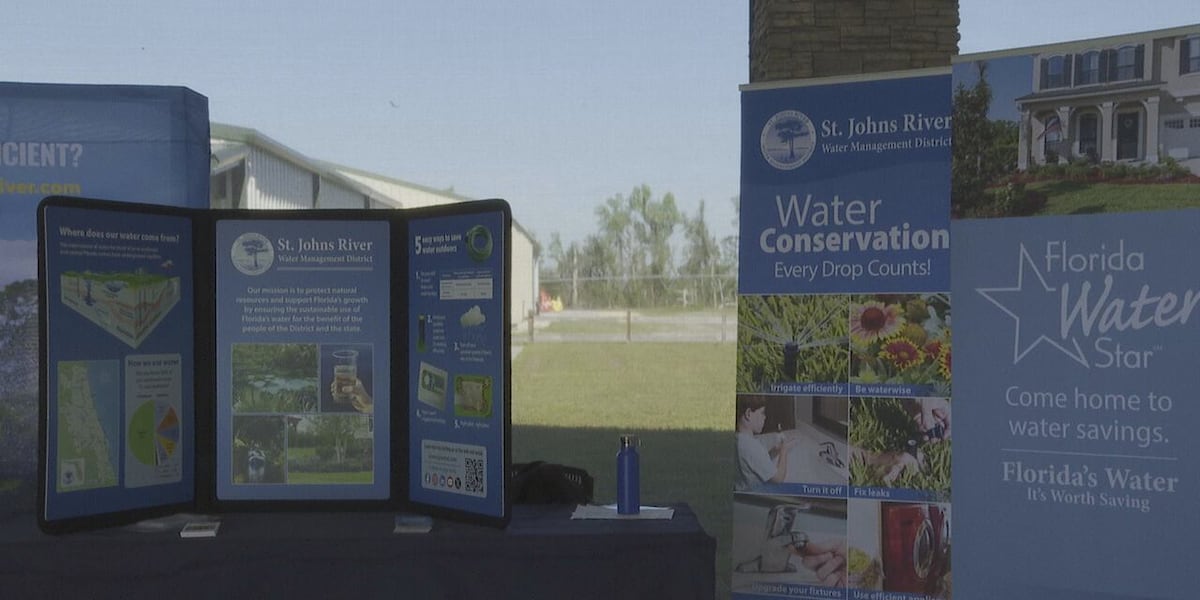
The event featured informational displays, interactive maps, and representatives from various water management agencies who answered questions and addressed concerns. Attendees were particularly worried about rumors suggesting the project would divert water from North Florida to southern parts of the state.
“That’s simply not accurate,” explained Dr. Robert Meyers, a hydrologist with the regional water authority. “The goal is to ensure North Florida has sufficient water resources for our own communities’ future growth while protecting our springs, rivers, and aquifers.”
The North Florida region sits atop the Floridan Aquifer, one of the most productive aquifer systems in the world. This natural underground reservoir supplies drinking water to millions of Florida residents and supports the region’s agricultural industry, which contributes billions to the state’s economy annually.
However, increasing population growth, expanded agricultural operations, and climate variability have placed significant strain on the aquifer in recent decades. Groundwater monitoring stations have documented declining water levels in some areas, raising concerns about sustainability.
Marvin Johnson, a local farmer who attended the open house, expressed his relief after speaking with project officials. “I came here worried they were going to restrict our agricultural water permits. But after talking with them, I understand they’re actually trying to help us implement more efficient irrigation methods that will save water and money.”
The Water First North Florida initiative includes several components, including water conservation incentive programs, infrastructure improvements to reduce system losses, and the exploration of alternative water sources like reclaimed water for non-potable uses.
County Commissioner Sarah Williams emphasized that protecting water resources is crucial for the region’s economic future. “Our springs and rivers aren’t just environmentally important—they’re economic drivers for tourism. This project is about finding balance between growth and preservation.”
Some residents, however, remain skeptical. Environmental activist group “Protect Our Springs” distributed flyers outside the venue, arguing that the plan doesn’t go far enough to restrict commercial water bottling operations that extract millions of gallons from the aquifer annually.
“They’re talking conservation while multinational corporations pump our water into plastic bottles,” said James Rivera, the group’s director. “That’s the contradiction they’re not addressing.”
Project officials countered that water bottling represents less than one percent of total water withdrawals from the aquifer, with agricultural irrigation and public supply constituting the vast majority of water use.
The Water First initiative comes at a critical time as Florida grapples with increasing water management challenges. The state’s population continues to grow by nearly 1,000 new residents daily, adding pressure to already stressed water resources. Similar water planning efforts are underway in Central and South Florida regions, though with different approaches based on local hydrological conditions.
Officials announced that additional public information sessions will be scheduled in coming months across the participating counties. They also launched a new website featuring technical reports, FAQs, and a mechanism for residents to submit questions directly to project leaders.
“Transparency is our priority,” Adams concluded. “We can only develop effective water policies when the public understands the science and realities behind water resource management.”
Fact Checker
Verify the accuracy of this article using The Disinformation Commission analysis and real-time sources.

22 Comments
Curious to learn more about the specific water conservation and alternative supply measures being considered under this initiative. Protecting existing resources while planning for future needs is so important.
Me too. The open house format seems like a great way to get direct feedback from residents and incorporate their input into the project’s strategies.
Addressing misinformation and fostering open dialogue with the public is a smart move for this water conservation project. Transparent communication and direct access to experts are crucial.
Absolutely. Maintaining trust and buy-in from the community will be essential as the project moves forward with its plans and initiatives.
It’s good to see local officials and water management agencies working together on this initiative. Addressing misinformation and fostering transparent dialogue with the public is a smart move.
Agreed. Maintaining open communication and building trust with the community will be key to the success of this water conservation project.
Conservation and alternative water supply development are smart strategies to tackle the region’s growing water challenges. I’m curious to learn more about the specific measures being considered under this initiative.
Me too. The open house format seems like a great way to engage residents and get their feedback on the proposed solutions.
Glad to see the Water First North Florida project taking a proactive, collaborative approach to address the region’s water challenges. Transparent public outreach and fact-based information are key.
Agreed. Engaging the community and building trust will be essential for the success of this important water sustainability initiative.
Glad to see the Water First North Florida project is taking steps to address community concerns. Transparent public outreach and fact-based information are crucial for a project of this importance.
Agreed. Dispelling misinformation and providing direct access to experts is a smart move to build trust and support for sustainable water management plans.
Addressing misinformation and providing transparent, fact-based information is a smart move for this water conservation project. Building trust and buy-in from the community will be key to its success.
Absolutely. Proactive, collaborative approaches like this one are essential for ensuring reliable, long-term water supplies for communities.
Water conservation and sustainable resource management are critical issues, especially in regions like North Florida. I’m curious to learn more about the specific measures being considered under this initiative.
Me too. The open house format seems like a great way to foster dialogue and get direct input from residents on the proposed solutions.
Water sustainability is such a complex and important issue. I’m glad to see the Water First North Florida project taking a proactive, collaborative approach to address the region’s water challenges.
Agreed. Engaging the community and providing transparent, fact-based information is key for building support and ensuring the long-term success of this initiative.
Curious to learn more about the specific conservation measures and alternative water supply solutions being explored under this initiative. Protecting existing resources while planning for future needs is crucial.
Me too. The open house format seems like a great opportunity for residents to get their questions answered and provide input on the proposed plans.
Water sustainability is such a critical issue, especially in regions like North Florida. I appreciate the project’s focus on protecting existing resources and planning for future demands.
Absolutely. Proactive, collaborative approaches like this one are essential for ensuring reliable, long-term water supplies for communities.