


Listen to the article
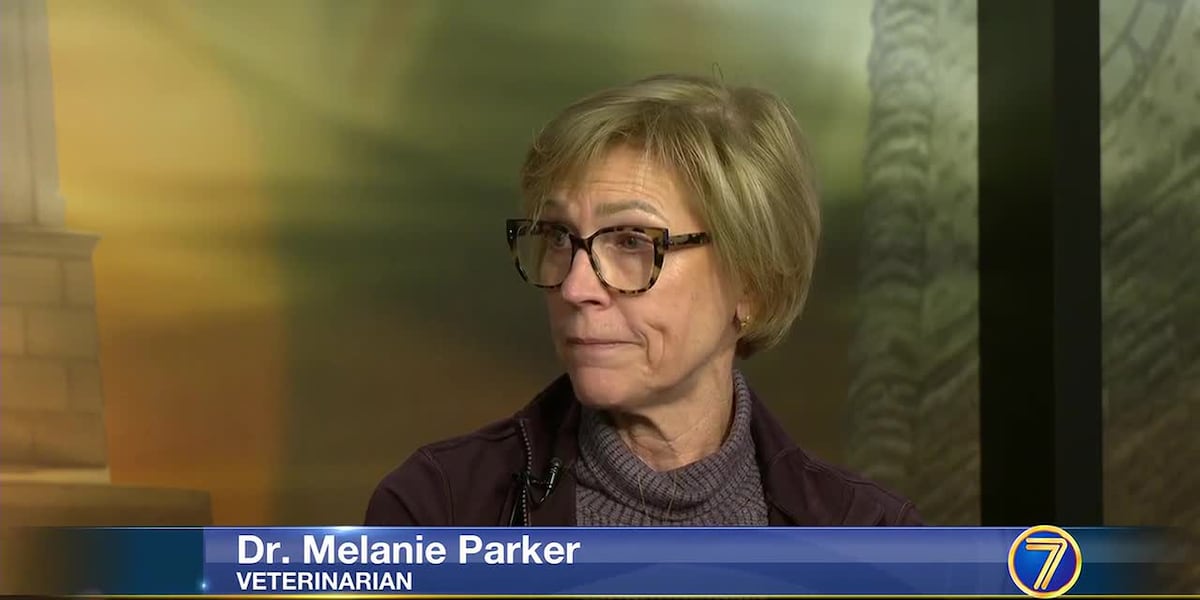
In a growing trend that worries animal health experts, veterinarians across the North Country are increasingly concerned about the spread of pet health misinformation among owners. Dr. Melanie Parker, a respected veterinarian from the region, recently highlighted this issue during an interview on WWNY’s 7 News at Noon broadcast.
“The amount of incorrect information circulating about pet care has become a significant problem,” Dr. Parker explained during her Monday appearance. She emphasized that pet owners should rely on professional veterinary advice rather than unverified sources when making decisions about their animals’ health.
The problem has escalated in recent years with the proliferation of social media and online forums where unqualified individuals often share anecdotal advice that contradicts veterinary science. According to regional veterinary associations, this trend has led to concerning outcomes, including missed vaccinations and inappropriate dietary choices for pets.
Dr. Parker specifically identified pet vaccinations as one area where misinformation has become particularly problematic. Anti-vaccination sentiment, which gained traction in human healthcare discussions, has unfortunately spilled over into veterinary medicine. Some pet owners are now delaying or refusing essential vaccinations that prevent serious and potentially fatal diseases such as parvovirus, distemper, and rabies.
“Vaccines have been thoroughly tested and proven to prevent diseases that once decimated pet populations,” said Dr. Parker. “When owners avoid these preventative measures based on misinformation, they not only put their own pets at risk but can endanger other animals in the community.”
Dietary advice represents another troubling area where pet owners often receive conflicting information. The recent popularity of grain-free, raw, and boutique diets has outpaced scientific evidence in some cases. Veterinary cardiologists have noted a correlation between certain grain-free diets and dilated cardiomyopathy in dogs, yet these concerns are sometimes dismissed in online pet communities.
The North Country region, which spans the northern portion of New York State including Jefferson County where Watertown is located, has seen its share of this troubling trend. Rural communities sometimes have limited access to veterinary care, making reliable information even more crucial for pet owners in these areas.
Local animal shelters and rescue organizations have also reported dealing with the consequences of misinformation. Pets surrendered due to behavioral or health issues are sometimes the result of owners following inappropriate advice rather than consulting professionals.
Dr. Parker encouraged pet owners to build strong relationships with their veterinarians and to ask questions during appointments. “We understand that people want to do what’s best for their pets, and veterinarians are here to partner with owners in that goal,” she noted. “No question is too small or unimportant when it comes to your pet’s health.”
Veterinary professionals across the region emphasize that while the internet can provide helpful information, it should supplement rather than replace professional veterinary guidance. They recommend seeking information from reputable sources such as veterinary school websites, the American Veterinary Medical Association, or directly from practicing veterinarians.
The issue extends beyond just individual pet health to public health concerns, particularly with zoonotic diseases that can transfer between animals and humans. Proper veterinary care, including vaccinations and parasite control, helps protect both animal and human populations.
WWNY’s feature on this topic highlights the station’s commitment to addressing community health issues, including those affecting the region’s numerous pet owners. The full interview with Dr. Parker is available on the station’s website for those seeking additional information.
As misinformation continues to proliferate, veterinarians like Dr. Parker remain dedicated to educating the public and providing science-based care for the North Country’s beloved pets.
Fact Checker
Verify the accuracy of this article using The Disinformation Commission analysis and real-time sources.

8 Comments
Responsible pet ownership means staying up-to-date on the latest veterinary guidance. Owners should be wary of advice that contradicts professional medical expertise.
Glad to see a vet addressing pet health misinformation. Social media has amplified a lot of dangerous myths. Owners should always consult qualified professionals for their animals’ wellbeing.
Vaccinations are a crucial part of responsible pet care. It’s concerning to hear about the spread of anti-vax sentiment in the pet community. Veterinarians provide science-backed guidance for a reason.
Agreed. Vaccines protect pets from serious illnesses. Owners should be wary of anecdotal advice that goes against established veterinary protocols.
It’s good to see a vet taking a stand against the spread of pet health misinformation. Consulting qualified experts is the best way to ensure the wellbeing of our furry companions.
Misinformation can lead to real harm for animals. I’m glad this vet is using their platform to encourage pet owners to rely on professional advice rather than online rumors.
Absolutely. Veterinarians undergo extensive training to provide the best care. Owners should always prioritize their recommendations over unqualified internet sources.
This is an important issue. Pets can’t speak up for themselves, so it’s crucial that owners are well-informed and make decisions based on scientific evidence, not unfounded claims.